Siberian pine (Pinus sibirica)
Care, watering, light and tips for Siberian pine on Floravia.
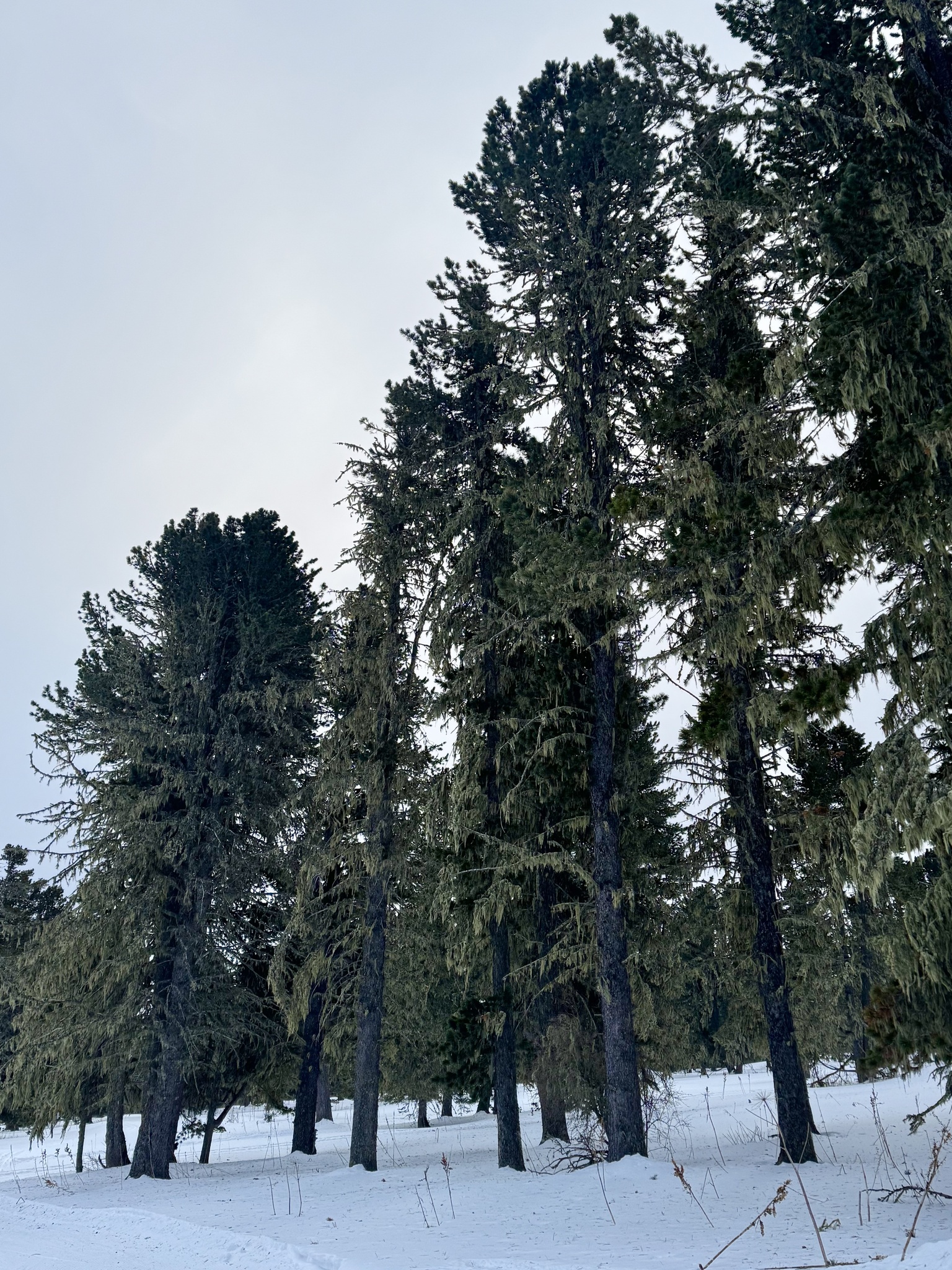
Quick facts
- Family: Pinaceae
- Difficulty: Demanding
- Watering: every 7 days
- Light: Full sun
- Temperature: -20–30 °C
About Siberian pine
Pinus sibirica, also known as Siberian pine, is a majestic evergreen coniferous tree, valued for its dense dark green foliage and large edible cones. Its pyramidal habit and cold hardiness make it ideal for large gardens in temperate to cold climates, or as a specimen tree in parks. It is a slow-growing species that can live for hundreds of years, providing perennial beauty to the landscape.
Native range
Siberia, Mongolia, and Kazakhstan
Care tips
It requires full sun exposure for optimal growth, although it tolerates some partial shade in very hot climates. Watering should be regular during its first few years, especially in dry periods, but once established it is quite drought tolerant. It prefers well-drained, acidic to neutral soils, and does not tolerate waterlogging. A common mistake is planting it in heavy, poorly drained soils, which can lead to root diseases.
How to save a dying Siberian pine
- Warning signs
- Yellowish/brown needles from base, excessive shedding. Resin oozing from bark. Stunted growth.
- First aid
- Check drainage and soil moisture. If dry, water deeply. If waterlogged, improve drainage. Protect from intense direct sun.
- What kills it
- Overwatering and poor drainage leading to root rot. Also very high temperatures and prolonged drought in non-Siberian climates.
- Can it be saved?
- Yes, if you act quickly. A Siberian pine is hardy, but prolonged waterlogging is lethal. Check its roots.