Deodar cedar (Cedrus deodara)
Care, watering, light and tips for Deodar cedar on Floravia.
Quick facts
- Family: Pinaceae
- Difficulty: Moderate care
- Watering: every 7 days
- Light: Full sun
- Temperature: -20–30 °C
About Deodar cedar
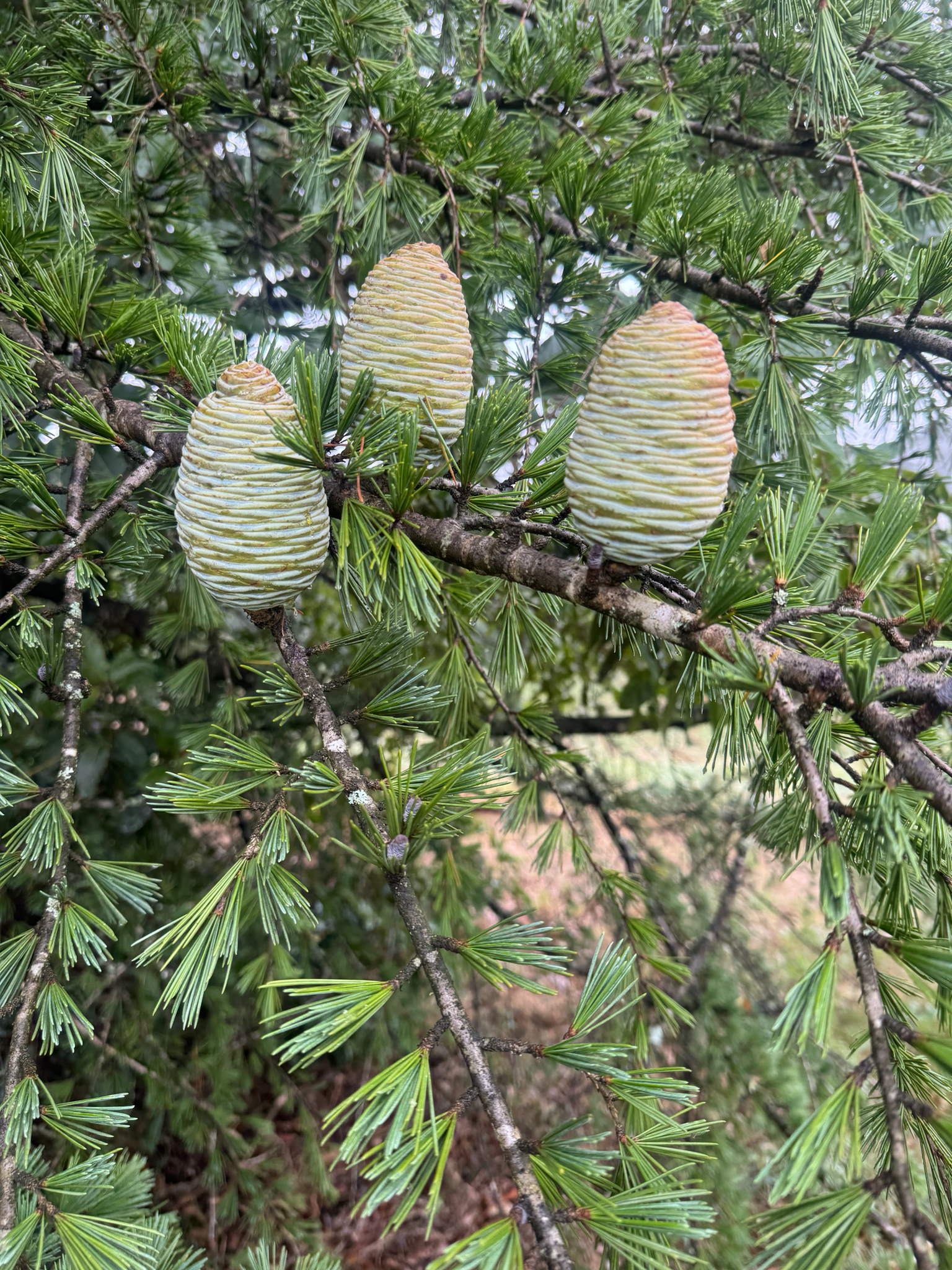
Cedrus deodara, commonly known as Deodar or Himalayan Cedar, is a majestic and fast-growing conifer native to the western Himalayas. It is characterized by its elegant pyramidal shape, slightly drooping branches, and blue-green needles, which give it a distinguished appearance. This tree is ideal for large gardens, parks, and as a specimen plant, where its stature and beauty can be fully appreciated.
Native range
Western Himalayas, including eastern Afghanistan, northern Pakistan, northern India, and western Nepal.
Care tips
It prefers full sun exposure for optimal growth and good foliage color, although it tolerates some partial shade in very hot climates. It requires well-drained, slightly acidic to neutral soil, and regular watering during its first few years of establishment, especially in dry periods, becoming more drought-tolerant thereafter. Avoid heavy, waterlogged soils, as this can lead to root rot. Light formative pruning may be necessary in its early stages to maintain a strong structure.
How to save a dying Deodar cedar
- Warning signs
- Brown, dry, brittle needles, especially on lower/inner parts. Excessive needle drop. Dry branches.
- First aid
- Check watering: needs constant moisture but not waterlogged. Protect young trees from direct sun. Apply fungicide if suspicious spots appear.
- What kills it
- Prolonged drought or constant waterlogging. Lack of root space. Excessive or poorly timed pruning.
- Can it be saved?
- Yes, if main branches still have green needles. Act quickly to correct watering and environmental stress.