Serbian spruce (Picea omorika)
Care, watering, light and tips for Serbian spruce on Floravia.
Quick facts
- Family: Pinaceae
- Difficulty: Moderate care
- Watering: every 7 days
- Light: Full sun
- Temperature: -20–30 °C
- Toxicity: Toxic to pets
About Serbian spruce
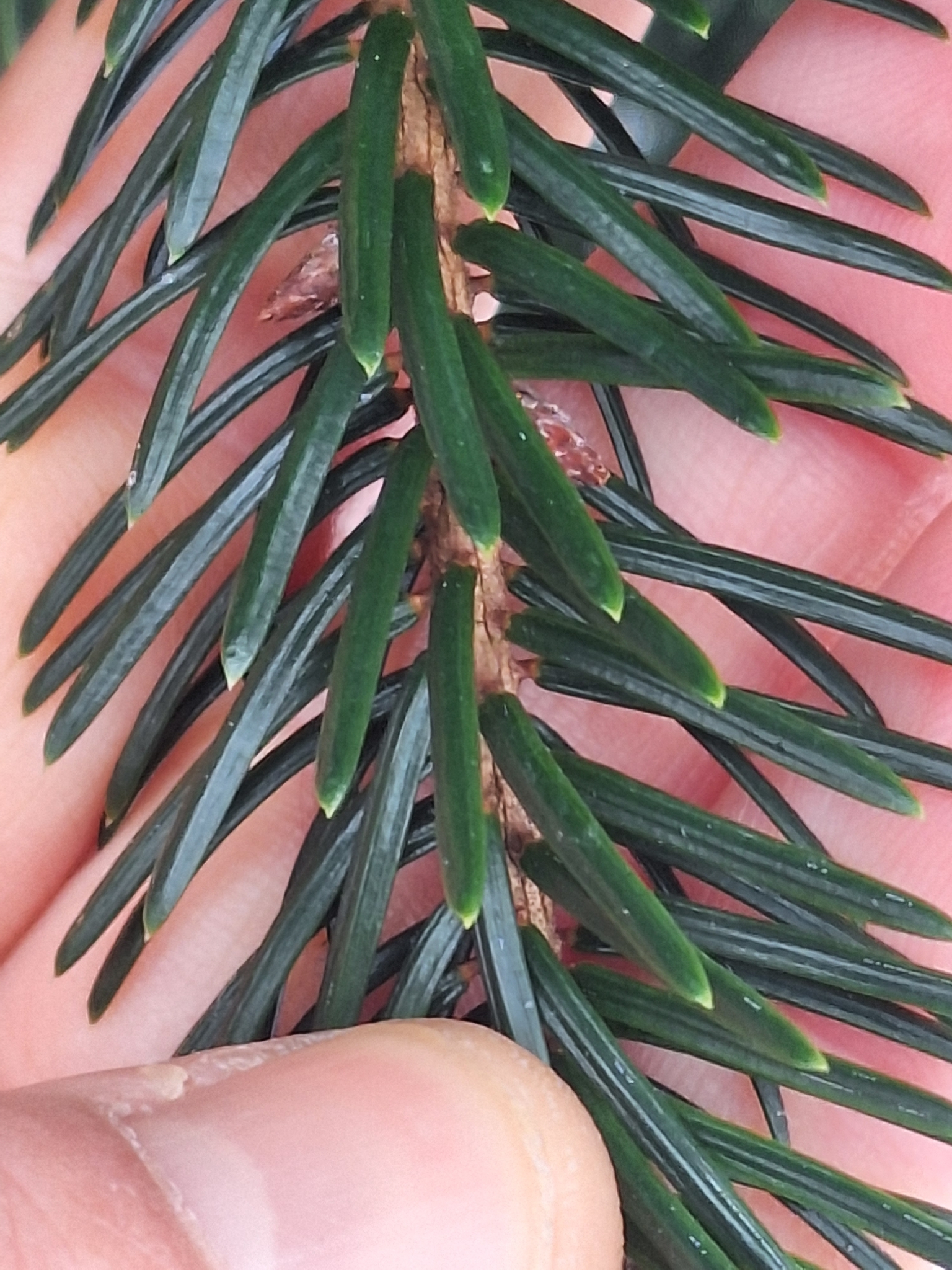
Picea omorika, commonly known as the Serbian spruce, is an elegant and slender evergreen conifer native to a small region of the Balkans. It stands out for its narrow conical habit and bicolored needles, glossy dark green on top and silvery underneath, which give it a distinctive appearance. It is ideal for medium to large gardens, providing a vertical focal point and fine texture throughout the year.
Native range
Southeastern Europe (Balkans)
Care tips
It prefers full sun to partial shade exposure and well-drained, slightly acidic to neutral soils. It tolerates drought well once established, but appreciates regular watering during dry summers, especially when young. Avoid heavy, compacted soils, as they can lead to root rot issues. A common mistake is planting it in locations with poor air circulation, which can encourage fungal diseases.
How to save a dying Serbian spruce
- Warning signs
- Brown needles from base, easy shedding. Stunted growth. Dry, brittle branches.
- First aid
- Check drainage and soil moisture. Ensure good air circulation. Protect from intense direct sun.
- What kills it
- Prolonged drought or waterlogging. Exposure to dry winds or late frosts. Poor or compacted soil.
- Can it be saved?
- Yes, if roots aren't fully rotted or dried. Act quickly to correct watering and environment.