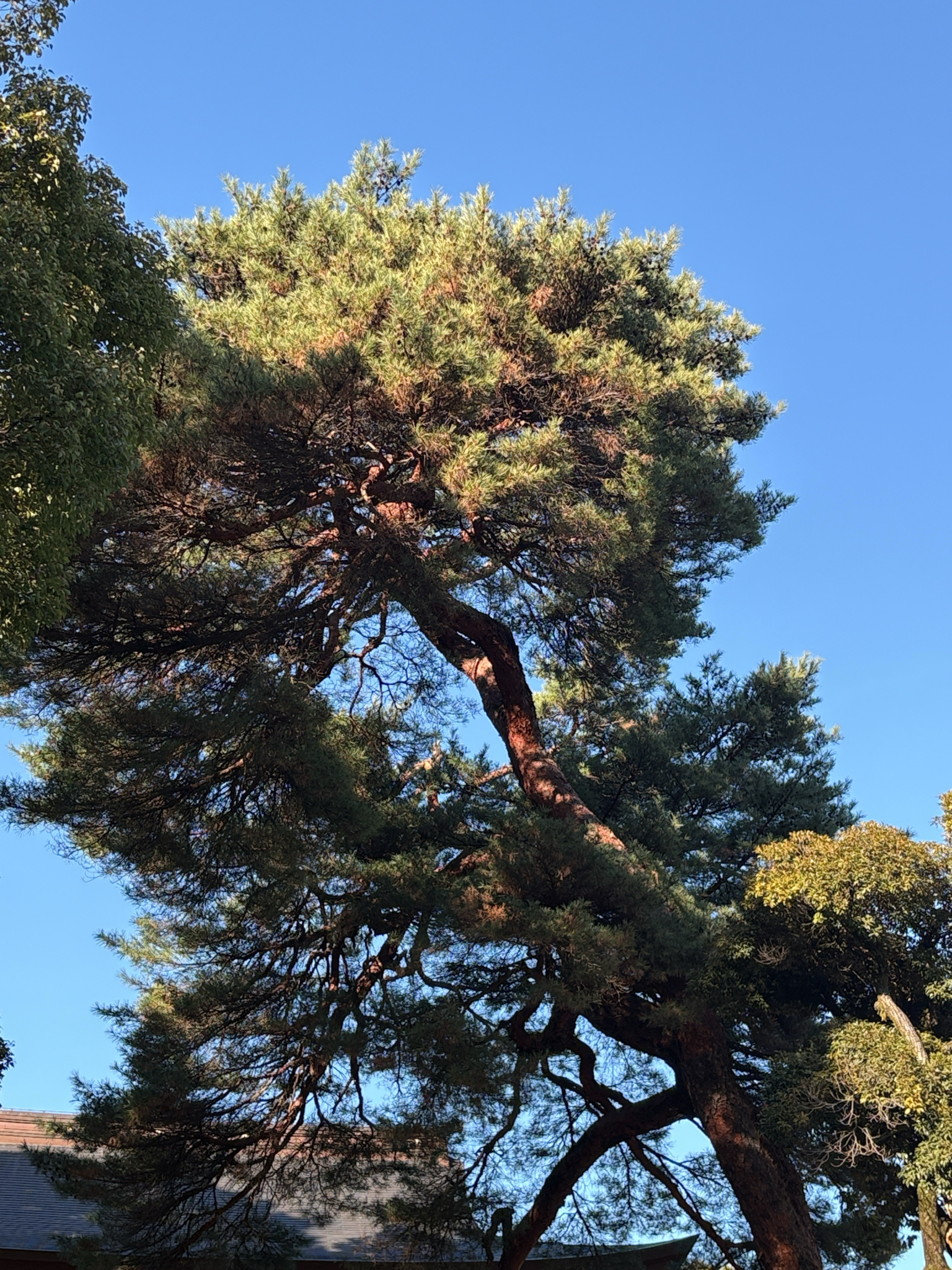
Japanese red pine (Pinus densiflora)
Care, watering, light and tips for Japanese red pine on Floravia.
Quick facts
- Family: Pinaceae
- Difficulty: Demanding
- Watering: every 7 days
- Light: Full sun
- Temperature: -20–30 °C
- Toxicity: Toxic to pets
About Japanese red pine
Pinus densiflora, commonly known as Japanese Red Pine, is a medium to large-sized pine renowned for its reddish-orange bark and bright green needles bundled in pairs. Its elegant and often gracefully twisted silhouette makes it an exceptional specimen for Japanese-style gardens, bonsai, and as an ornamental tree in parks and large estates.
Native range
Japan, Korean Peninsula, northeast China, and the far southeast of Russia
Care tips
It thrives in full sun exposure for optimal growth and vibrant bark coloration. It requires well-drained soils, preferably acidic to neutral; drought tolerance is moderate once established, but it will appreciate regular watering during dry spells, especially when young. Avoid heavy, waterlogged soils, as they are prone to root rot. A common mistake is excessive pruning or pruning at incorrect times, which can weaken the tree.
How to save a dying Japanese red pine
- Warning signs
- Yellowish/brown needles, dry tips, excessive needle drop. Bark may crack or peel.
- First aid
- Check drainage. If dry, water deeply. If waterlogged, repot with fresh, well-draining substrate. Protect young pines from direct sun.
- What kills it
- Overwatering (root rot) or under-watering (extreme drought). Lack of light or unsuitable substrate (compact, poor drainage).
- Can it be saved?
- Yes, if you act quickly. A pine with dry, falling needles can still recover if the trunk isn't soft.