Mexican pinyon (Pinus cembroides)
Care, watering, light and tips for Mexican pinyon on Floravia.
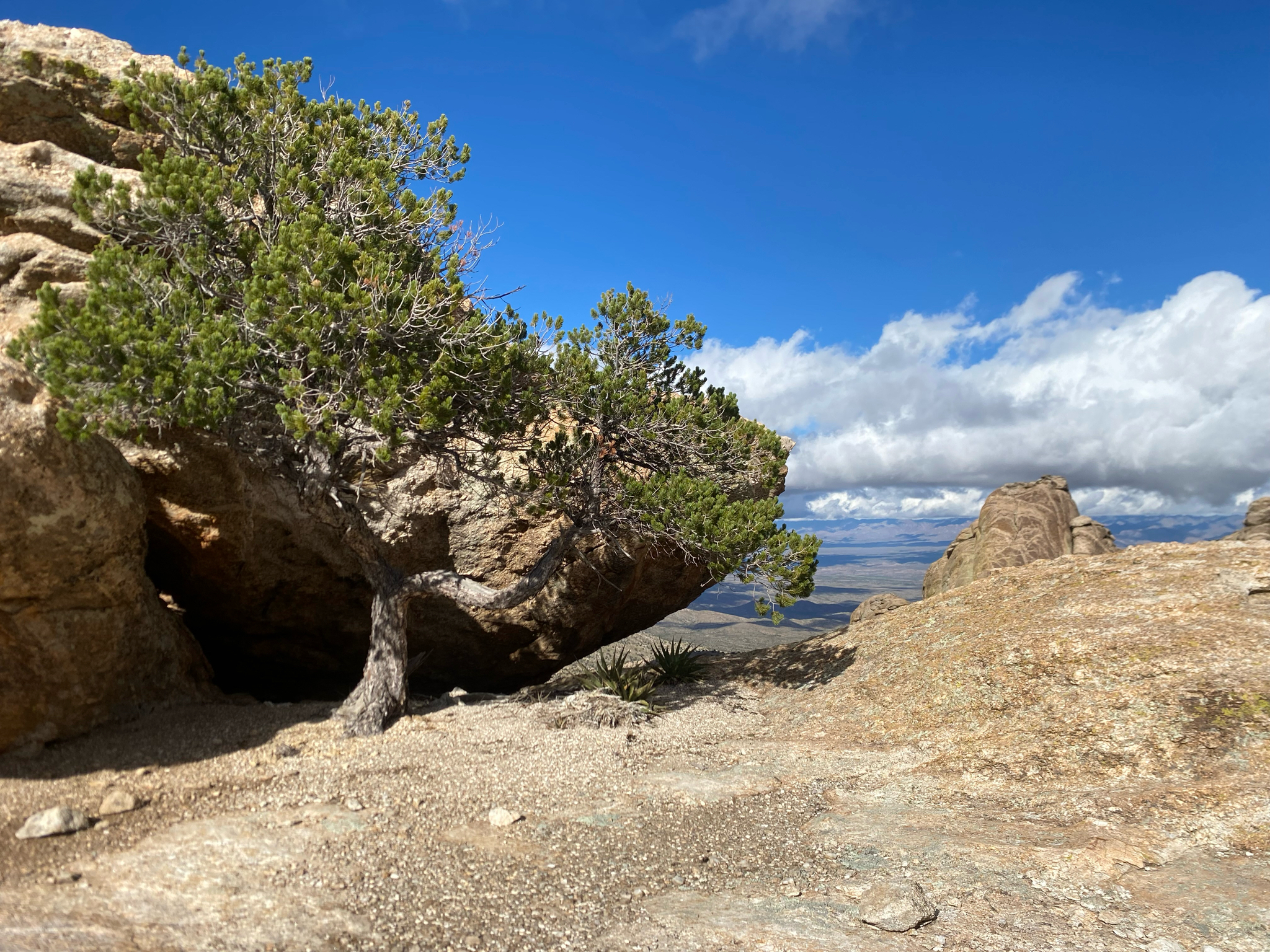
Quick facts
- Family: Pinaceae
- Difficulty: Moderate care
- Watering: every 14 days
- Light: Full sun
- Temperature: -20–30 °C
About Mexican pinyon
Pinus cembroides, commonly known as Mexican Pinyon Pine or Mexican Stone Pine, is a medium-sized conifer native to Mexico and the southwestern United States. It is characterized by its dense, rounded crown, short needles in bundles of three, and small cones that produce edible pine nuts. It is ideal for dry climate gardens, rock gardens, or as a specimen tree, adding a rustic and natural aesthetic.
Native range
Mexico and the southwestern United States
Care tips
It requires full sun exposure for optimal growth and good pine nut production. It is very drought tolerant once established, so watering should be sparse and infrequent, avoiding waterlogging. It prefers well-drained, sandy, or stony soils, and it is crucial to avoid heavy clay soils that retain too much moisture. A common mistake is overwatering, which can lead to root rot.
How to save a dying Mexican pinyon
- Warning signs
- Yellowish/brown, dry, falling needles; stunted growth; excessive resin.
- First aid
- Check drainage and soil moisture. Ensure good ventilation. Protect from extreme heat.
- What kills it
- Waterlogging, heavy clay soil, lack of direct sunlight, abrupt transplant.
- Can it be saved?
- Yes, if acted upon quickly. Requires good drainage and full sun to recover.