Canary Island pine (Pinus canariensis)
Care, watering, light and tips for Canary Island pine on Floravia.
Quick facts
- Family: Pinaceae
- Difficulty: Easy to care for
- Watering: every 7 days
- Light: Full sun
- Temperature: -20–30 °C
About Canary Island pine
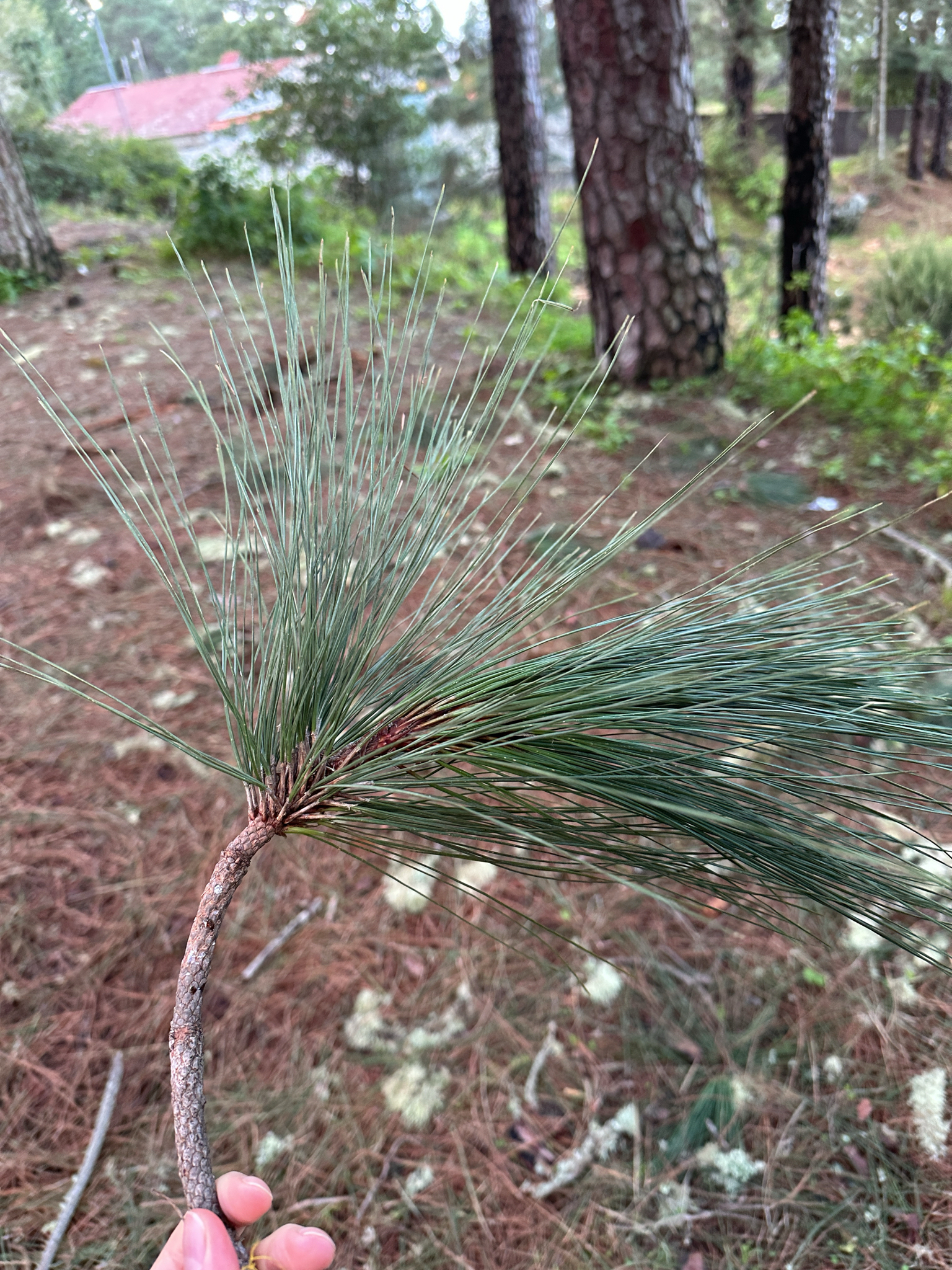
The Pinus canariensis, commonly known as the Canary Pine, is a majestic tree endemic to the Canary Islands, valued for its rapid growth and dense blue-green foliage. Its long needles, grouped in threes, give it a lush appearance, making it ideal as a specimen tree in large gardens or for reforestation projects in suitable climates. It is a symbol of Canarian flora and a resilient species.
Native range
Canary Islands
Care tips
It requires full sun for optimal development and prefers well-drained soils, even poor or rocky ones, adapting perfectly to dry Mediterranean or subtropical conditions. Although drought-tolerant once established, young specimens benefit from regular watering during dry periods to encourage growth. Avoid waterlogging, as it is prone to root rot in excessively wet soils. The main mistake to avoid is planting it in areas with severe and prolonged frosts, as it does not tolerate them well.
How to save a dying Canary Island pine
- Warning signs
- Yellowing needles falling, soft trunk or excessive resin, slow or no growth.
- First aid
- Check drainage and moisture, reduce water stress, look for pests like borers.
- What kills it
- Overwatering or waterlogging (root rot), lack of sun, poor or compacted soil.
- Can it be saved?
- Yes, if roots are not too damaged and acted upon quickly with proper care.