Aleppo pine (Pinus halepensis)
Care, watering, light and tips for Aleppo pine on Floravia.
Quick facts
- Family: Pinaceae
- Difficulty: Easy to care for
- Watering: every 7 days
- Light: Full sun
- Temperature: -20–30 °C
- Toxicity: Toxic to pets
About Aleppo pine
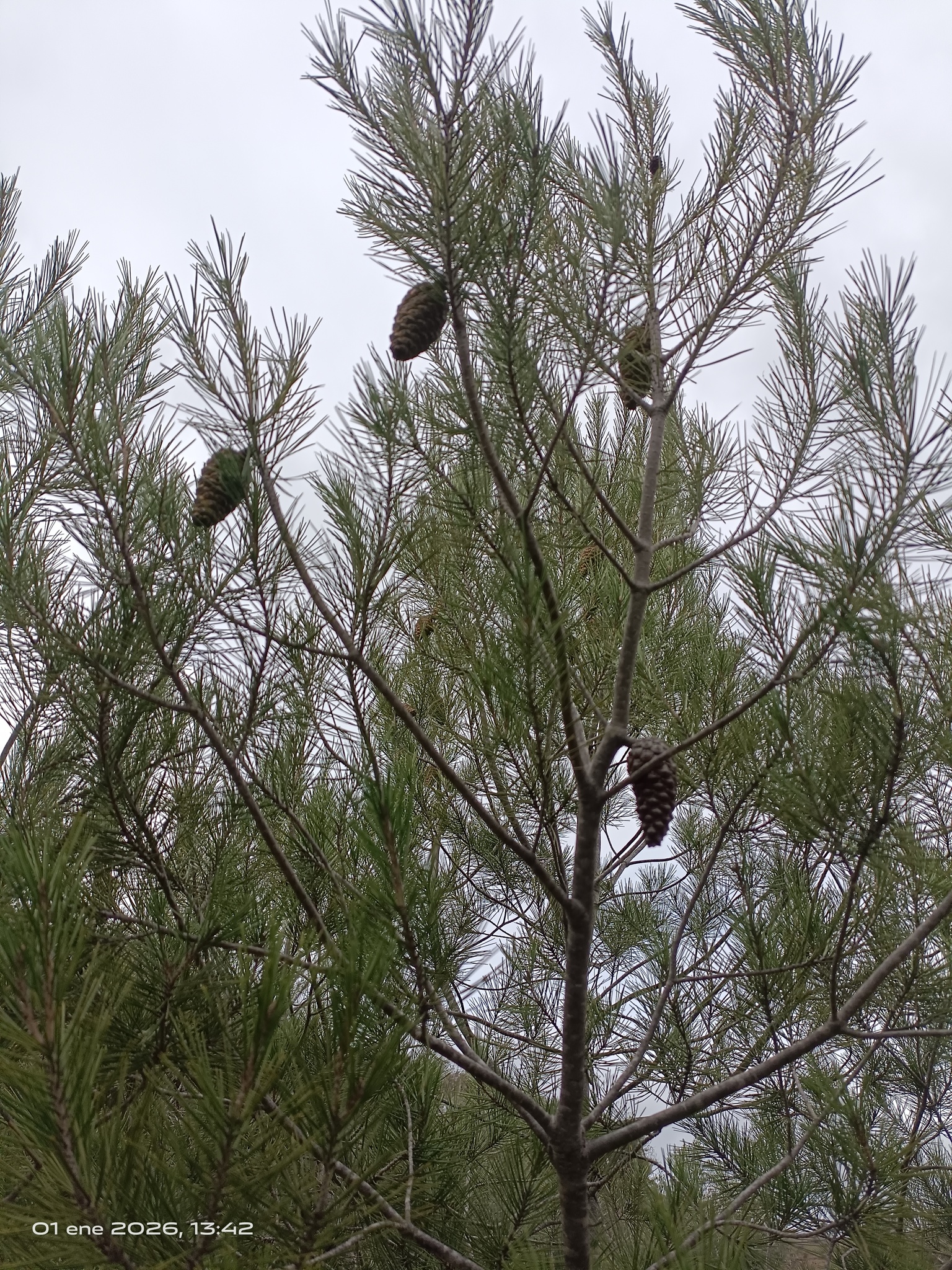
Pinus halepensis, commonly known as Aleppo Pine, is a medium-sized, fast-growing coniferous tree with an irregular shape when young, becoming more rounded with age. It features grayish, fissured bark and fine, short, light green needles. It is an excellent choice for reforestation in Mediterranean climates, coastal gardens, and as a shade tree in parks.
Native range
Mediterranean region
Care tips
This pine thrives in full sun and is highly drought-tolerant once established, requiring moderate watering only during prolonged dry spells in its early years. It adapts to a wide range of soils, including poor and calcareous ones, as long as they have good drainage. Avoid overwatering, as it is prone to root rot in waterlogged soils. It is very resistant to coastal conditions and pollution.
How to save a dying Aleppo pine
- Warning signs
- Yellowish or brown needles from the base, excessive needle drop, cracked bark or abundant whitish resin.
- First aid
- Check watering (well-drained soil, deep watering if dry), look for pests (pine processionary, borers) or diseases (root fungi). Remove dead branches.
- What kills it
- Overwatering in poor or compacted soils causing root asphyxia; soil compaction around the trunk.
- Can it be saved?
- Yes, if acted upon quickly and the cause is not severe root damage or advanced pest infestation. Drainage and pest prevention are key.