Scots pine (Pinus sylvestris)
Care, watering, light and tips for Scots pine on Floravia.
Quick facts
- Family: Pinaceae
- Difficulty: Easy to care for
- Watering: every 7 days
- Light: Full sun
- Temperature: -20–30 °C
- Toxicity: Toxic to pets
About Scots pine
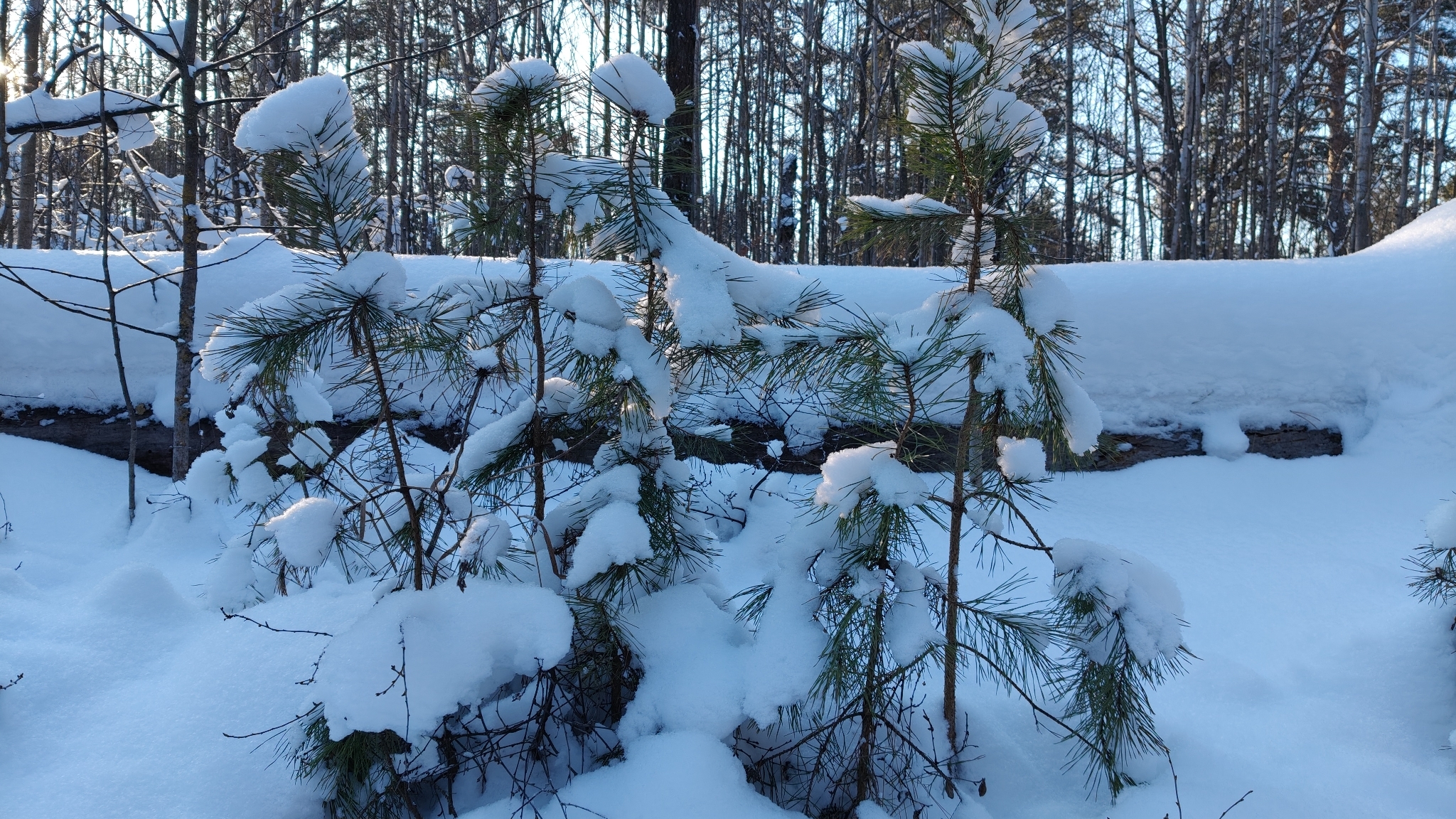
Pinus sylvestris, commonly known as Scots Pine, is an evergreen coniferous tree, valued for its distinctive orange-red bark on the upper trunk and its irregular crown. It's a majestic tree that can reach great heights, ideal for large gardens, parks, and reforestation efforts, adding a rustic and natural touch to the landscape.
Native range
Europe and Northern Asia
Care tips
It requires full sun for optimal growth, at least 6 hours of direct light daily. It prefers well-drained, sandy, or slightly acidic soils, and while it tolerates drought once established, young specimens benefit from regular watering during dry periods. A common mistake is planting it in confined spaces, as it needs ample room to develop its large size. Avoid overwatering in heavy soils to prevent root rot.
How to save a dying Scots pine
- Warning signs
- Yellowish/brown needles, mass shedding, dry branches from tips. Excessive resin or cankers on trunk.
- First aid
- Check drainage and soil moisture. Prune dry branches. Address pests if present.
- What kills it
- Waterlogging, very compacted soil, or prolonged drought. Severe bark beetle attacks.
- Can it be saved?
- Yes, if acted upon quickly. Key is to identify and correct the cause, especially drainage.