Japanese black pine (Pinus thunbergii)
Care, watering, light and tips for Japanese black pine on Floravia.
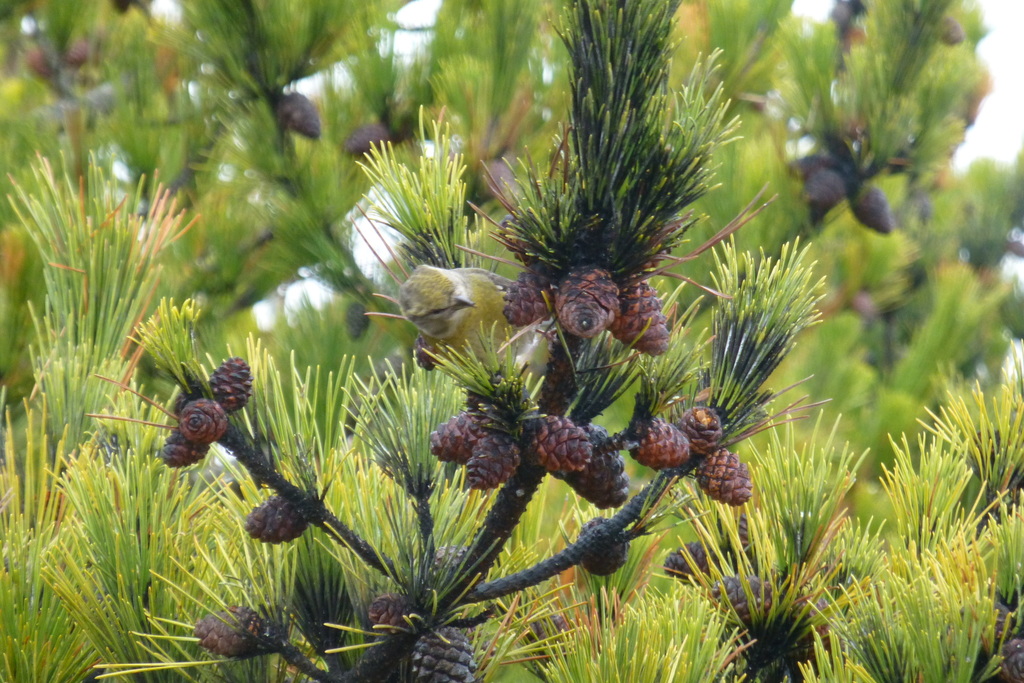
Quick facts
- Family: Pinaceae
- Difficulty: Moderate care
- Watering: every 7 days
- Light: Full sun
- Temperature: -20–30 °C
- Toxicity: Toxic to pets
About Japanese black pine
Pinus thunbergii, commonly known as Japanese Black Pine, is a robust and sculptural coniferous tree, valued for its dark, fissured bark and stiff, deep green needles. It is an excellent choice for Japanese-style gardens, bonsai, or as a striking specimen tree where its distinctive form can be admired. Over time, it develops a majestic and elegant silhouette.
Native range
Japan and South Korea
Care tips
It requires full sun for optimal growth and well-drained soil, preferably sandy or sandy loam. It is very drought tolerant once established but appreciates deep watering during prolonged dry periods, especially when young. Avoid overwatering, as it can lead to root rot; ensure the soil dries out between waterings. A common mistake is excessive or incorrect pruning, which can disfigure its natural shape; candle pruning should be done carefully to maintain its structure.
How to save a dying Japanese black pine
- Warning signs
- Yellowish or brown needles, especially on new growth. Excessive old needle drop. Dry, brittle tips.
- First aid
- Check drainage and soil moisture. Ensure good air circulation. Protect from strong winds and direct sun if very weak.
- What kills it
- Overwatering (root rot) or prolonged drought. Lack of adequate light or compacted soil without drainage.
- Can it be saved?
- Yes, if roots are not completely rotted or dry. Acting quickly is key.