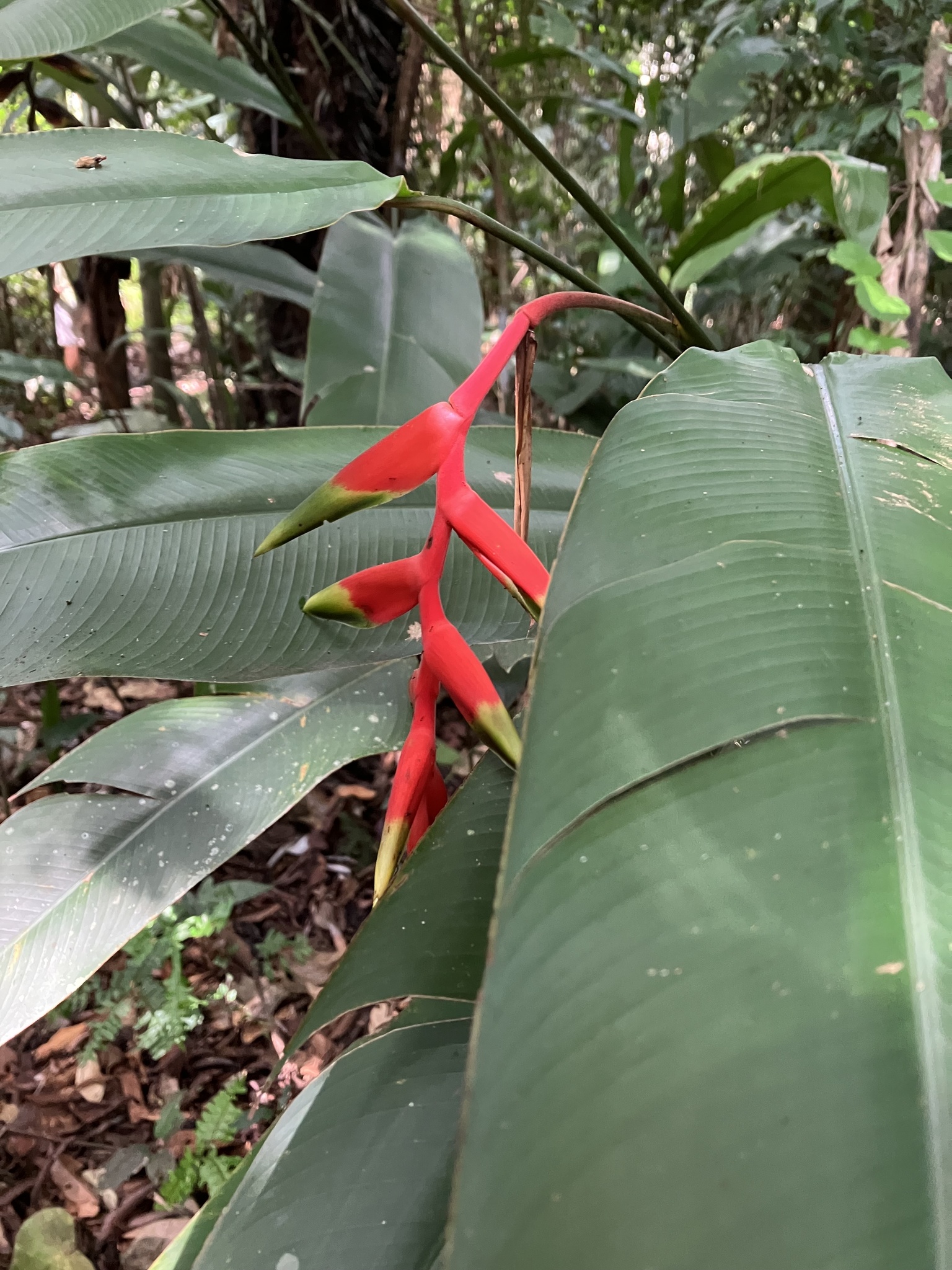
False bird of paradise (Heliconia juruana)
Care, watering, light and tips for False bird of paradise on Floravia.
Quick facts
- Family: Heliconiaceae
- Difficulty: Moderate care
- Watering: every 3 days
- Light: Partial shade
- Temperature: 10–30 °C
About False bird of paradise
Heliconia juruana, commonly known as 'bico-de-tucano' (toucan's beak), is a stunning tropical plant native to South America, renowned for its vibrant inflorescences resembling a toucan's beak. Its intensely colored bracts, typically red and yellow, make it a spectacular focal point in tropical and subtropical gardens, as well as in bright indoor spaces with ample room. It is ideal for adding an exotic and dramatic touch to any landscape or large plant collection.
Native range
Northwestern South America (Peru, Ecuador, Colombia, and Brazil)
Care tips
It requires full sun or bright partial shade for optimal blooming, with protection from the harshest direct sun in very hot climates. Keep the substrate consistently moist but not waterlogged, especially during warm growing months. Use a rich, well-draining, slightly acidic substrate. A common mistake is allowing the substrate to dry out completely, which can stress the plant and impact its flowering.
How to save a dying False bird of paradise
- Warning signs
- Yellowish or brown leaves, soft or drooping stems, no flowering, rot at the base.
- First aid
- Check drainage and substrate. Ensure high humidity and proper watering. Repot if soil is waterlogged or compacted.
- What kills it
- Overwatering leading to root rot or lack of humidity causing dry leaves.
- Can it be saved?
- Yes, if you act quickly. It needs a warm, humid environment and well-draining soil.