Wild turmeric (Curcuma aromatica)
Care, watering, light and tips for Wild turmeric on Floravia.
Quick facts
- Family: Zingiberaceae
- Difficulty: Moderate care
- Watering: every 3 days
- Light: Partial shade
- Temperature: 10–30 °C
About Wild turmeric
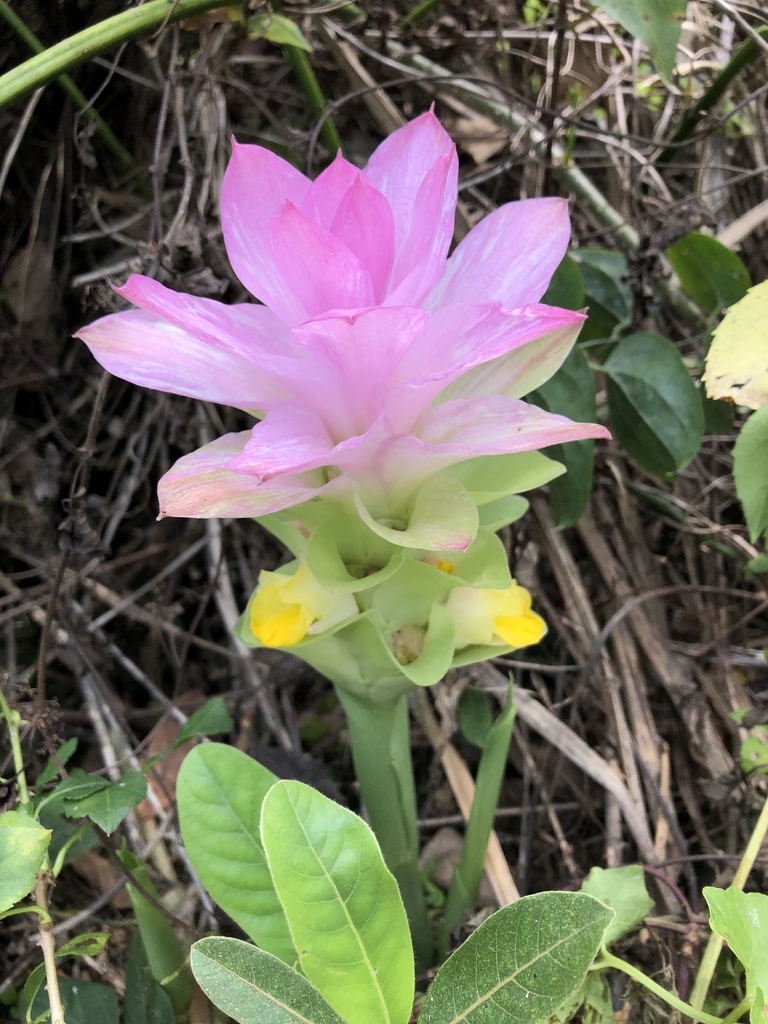
Curcuma aromatica, commonly known as wild turmeric or yellow zedoary, is a perennial herbaceous plant from the ginger family, valued for its aromatic rhizomes and showy yellow and pale pink flowers that emerge before the leaves. Its striking inflorescences and bright green foliage make it ideal for tropical gardens or as a potted ornamental plant. Beyond its beauty, its rhizomes have traditional uses in cosmetics and Ayurvedic medicine.
Native range
Indian Subcontinent and Indochina
Care tips
It prefers bright indirect light or partial shade, avoiding direct intense sunlight which can scorch its leaves. Keep the substrate consistently moist during the growing season (spring-summer), but significantly reduce watering in winter when the plant enters dormancy. Use a rich, organic, and well-draining substrate. A common mistake is overwatering during the dormancy period, which can lead to rhizome rot.
How to save a dying Wild turmeric
- Warning signs
- Yellowish or brown, wilting leaves, soft stems. May indicate overwatering or rhizome rot.
- First aid
- Check substrate; if wet, stop watering. If rot, remove affected parts and repot in fresh, well-draining soil.
- What kills it
- Constant waterlogging, especially in winter dormancy, rots the rhizome and is fatal.
- Can it be saved?
- Yes, if you act quickly to address rot or overwatering. Removing damaged parts and good drainage are key.