European hornbeam (Carpinus betulus)
Care, watering, light and tips for European hornbeam on Floravia.
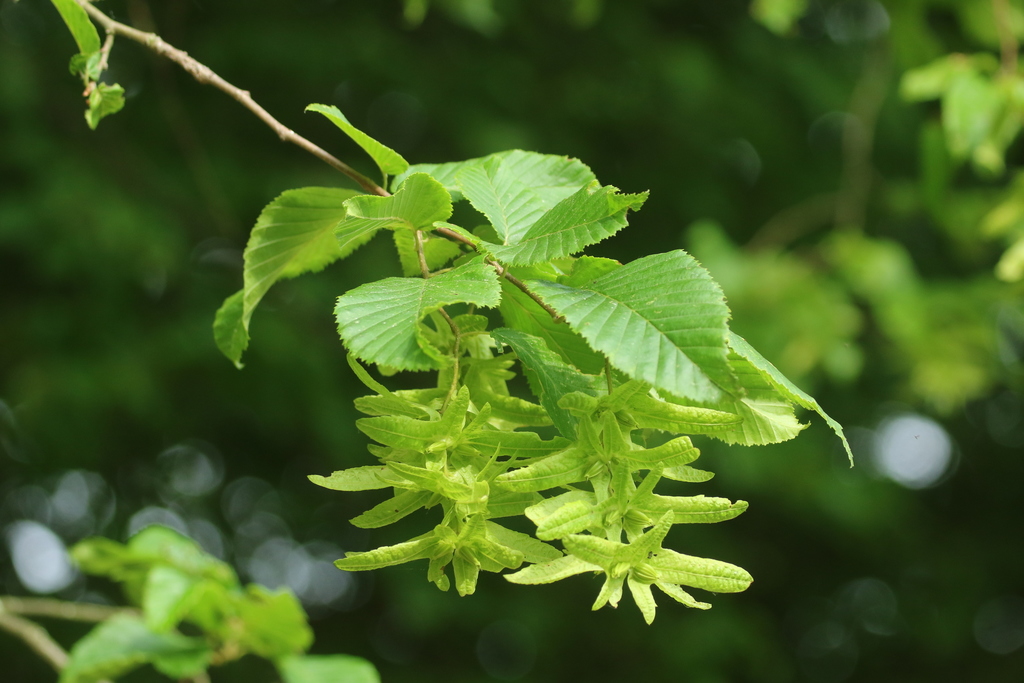
Quick facts
- Family: Betulaceae
- Difficulty: Moderate care
- Watering: every 7 days
- Light: Partial shade
- Temperature: 10–30 °C
About European hornbeam
Carpinus betulus, commonly known as European Hornbeam, is a medium-sized deciduous tree native to Europe, valued for its dense, oval crown and bright green foliage that turns golden yellow in autumn. It is ideal for formal hedges, privacy screens, and as a shade tree in medium to large gardens, even tolerating severe pruning for topiary. Its serrated leaves and samara-like fruits make it a subtly decorative element throughout the year.
Native range
Europe and Asia Minor
Care tips
European Hornbeam prefers full sun to partial shade and adapts to a wide range of well-drained soils, though it favors rich, moist ones. Watering should be regular during the first few years and during dry periods, avoiding waterlogging. A common mistake is failing to prune to maintain the desired shape, as it responds very well to pruning and becomes denser with it. It is resistant to most pests and diseases.
How to save a dying European hornbeam
- Warning signs
- Yellowing, premature leaf drop; weak or dry shoots; cracked bark.
- First aid
- Check soil drainage and moisture. Ensure adequate watering during dry spells. Protect young trees from intense sun.
- What kills it
- Constant waterlogging, root asphyxiation. Prolonged drought in summer.
- Can it be saved?
- Yes, if roots aren't completely rotted or dried out and live shoots remain.