Turkish hazel (Corylus colurna)
Care, watering, light and tips for Turkish hazel on Floravia.
Quick facts
- Family: Betulaceae
- Difficulty: Moderate care
- Watering: every 7 days
- Light: Partial shade
- Temperature: 10–30 °C
About Turkish hazel
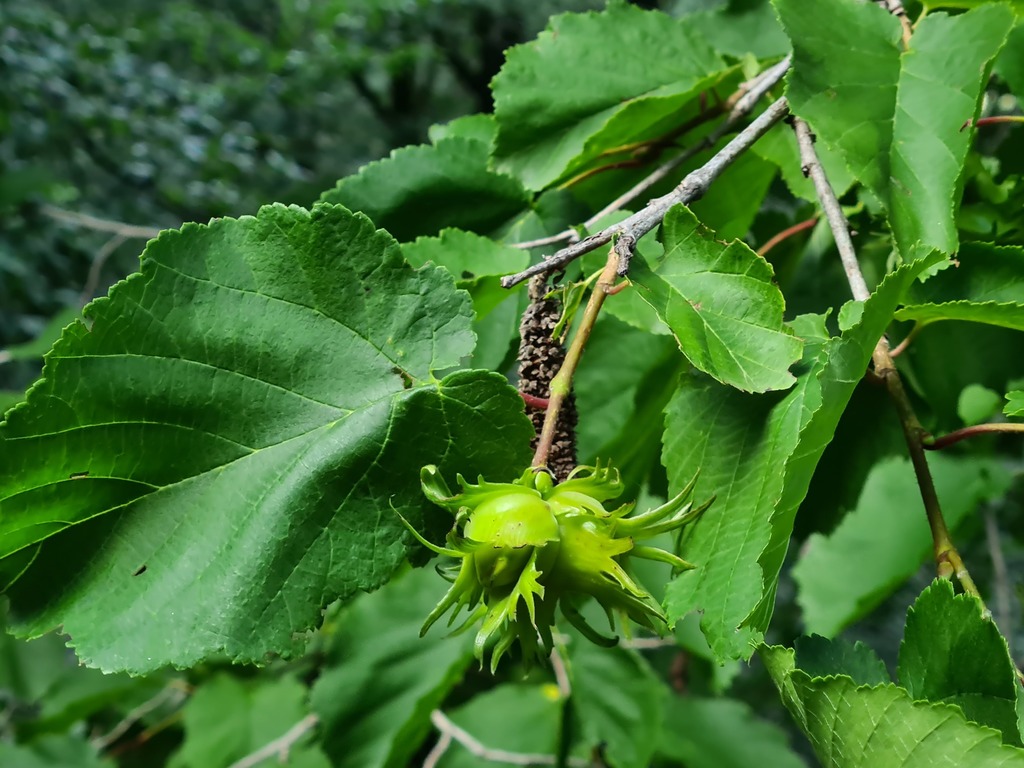
Corylus colurna, commonly known as Turkish hazel or Constantinople hazel, is a medium to large deciduous tree, renowned for its pyramidal shape and attractive, flaky bark. Its large, toothed leaves provide dense shade in summer, turning golden yellow in autumn. It is ideal as an ornamental tree in parks, avenues, or large gardens, standing out for its hardiness and low maintenance.
Native range
Southeastern Europe and Southwestern Asia
Care tips
It prefers full sun to partial shade, tolerating a wide range of conditions. It is quite drought-tolerant once established but will appreciate regular watering during dry periods, especially in its early years. It adapts to various soil types, as long as they are well-drained, although it prefers fertile, slightly acidic to neutral soils. A common mistake to avoid is planting it in very compacted or poorly drained soils, which can affect its root development and overall health.
How to save a dying Turkish hazel
- Warning signs
- Wilted, yellowing leaves or dry, brown edges, premature fruit drop. Dry or brittle branches.
- First aid
- Check watering (moist but not waterlogged soil), protect from intense sun if young. Ensure good drainage.
- What kills it
- Constant waterlogging, suffocating roots. Also prolonged drought in young specimens.
- Can it be saved?
- Yes, if you act quickly. Proper watering and good drainage are key for recovery. Remove dead branches.