Andean alder (Alnus acuminata)
Care, watering, light and tips for Andean alder on Floravia.
Quick facts
- Family: Betulaceae
- Difficulty: Moderate care
- Watering: every 7 days
- Light: Partial shade
- Temperature: 10–30 °C
About Andean alder
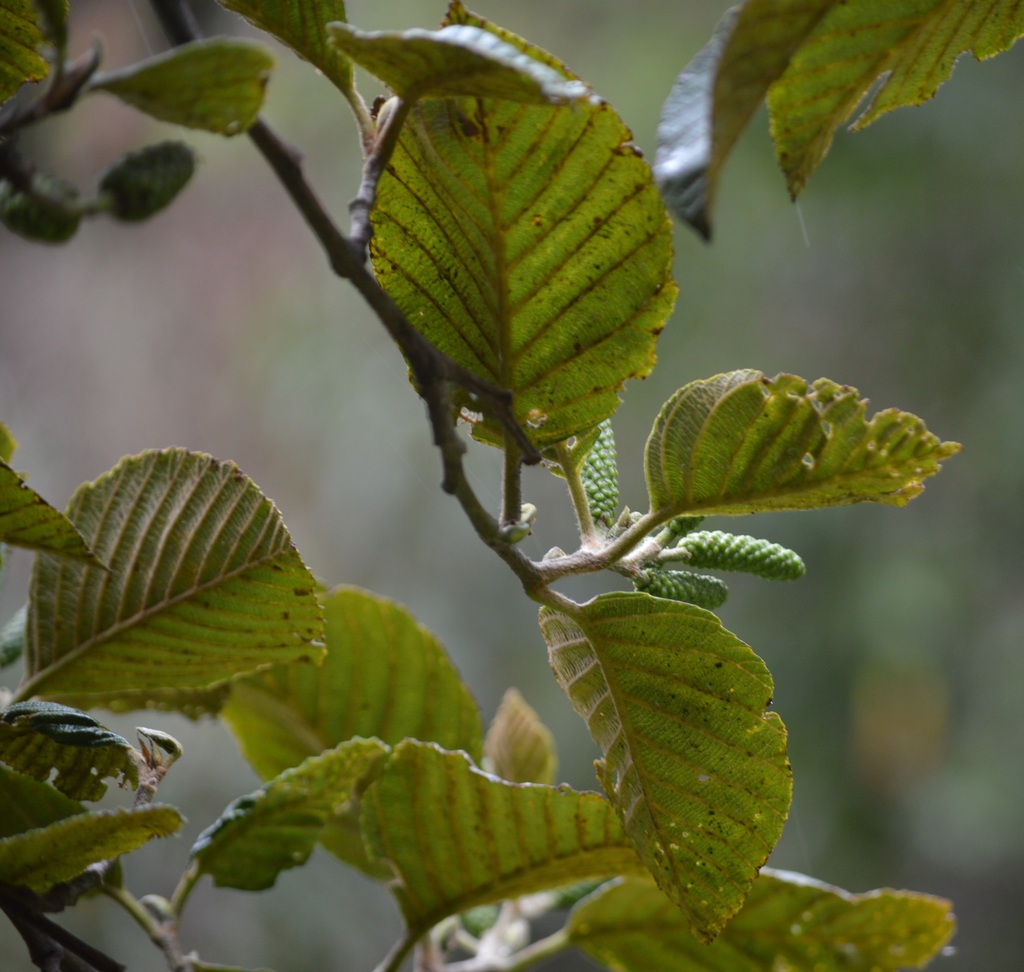
Alnus acuminata, commonly known as Andean alder, is a fast-growing tree native to the mountainous regions of Latin America. It is distinguished by its straight trunk and dense, oval foliage, making it an excellent choice for reforestation, windbreaks, or as a shade tree in large gardens and parks. Its male and female catkins appear before the leaves, adding seasonal interest.
Native range
Central and South America, from Mexico to Argentina.
Care tips
It prefers full sun to partial shade and moist, well-drained soils, even tolerating some temporary waterlogging. Regular watering is needed, especially during the first few years and dry periods, to establish a strong root system. It adapts to a wide range of soils, from sandy to clayey, as long as they are not excessively calcareous. A common mistake is planting it in places with prolonged drought without supplemental irrigation, as it does not tolerate lack of water well once established.
How to save a dying Andean alder
- Warning signs
- Yellowish or brown, wilting leaves; premature leaf drop; weak or no new growth.
- First aid
- Check soil drainage and moisture. Ensure adequate sun exposure and protection from strong winds.
- What kills it
- Constant waterlogging, prolonged lack of direct light, or extreme drought in young stages.
- Can it be saved?
- Yes, if roots aren't rotted or trunk severely damaged. Act quickly with correct watering and light.