Silver birch (Betula pendula)
Care, watering, light and tips for Silver birch on Floravia.
Quick facts
- Family: Betulaceae
- Difficulty: Easy to care for
- Watering: every 7 days
- Light: Partial shade
- Temperature: 10–30 °C
About Silver birch
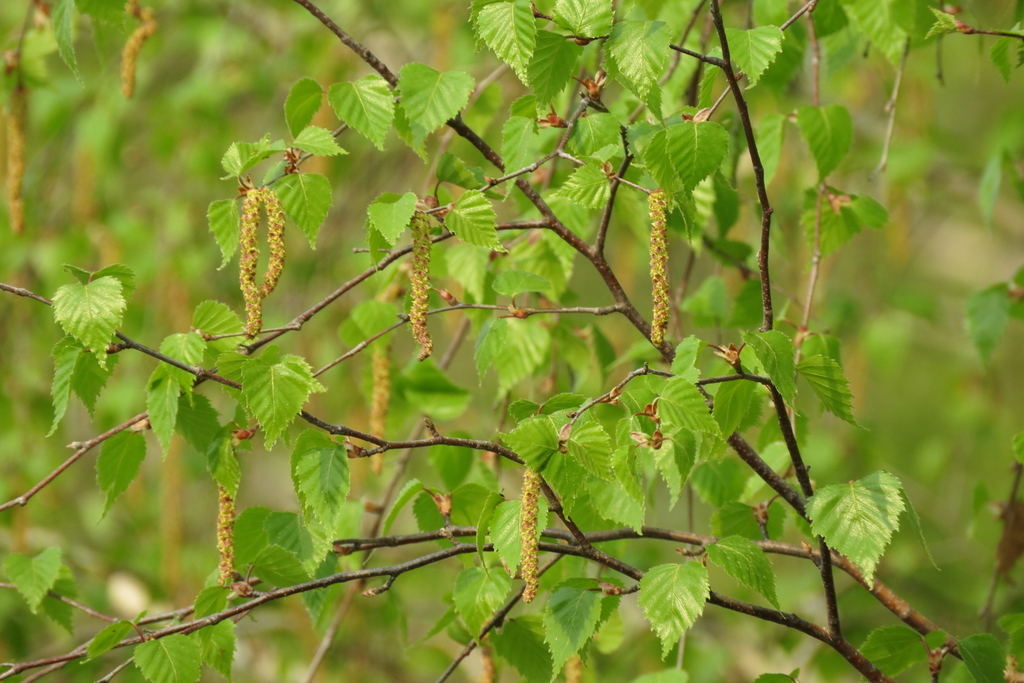
Betula pendula, commonly known as silver birch or weeping birch, is an elegant and fast-growing deciduous tree, distinctive for its silvery-white bark that peels in papery strips and its pendulous branches. Its small, triangular, bright green leaves turn golden yellow in autumn, creating a beautiful visual display. It is ideal for large gardens, parks, or as a solitary ornamental tree, where its graceful habit can be fully appreciated.
Native range
Europe and temperate Asia
Care tips
It prefers full sun to partial shade and well-drained, acidic to neutral soils. It requires regular watering during its first few years, especially in summer, though it tolerates periods of drought once established. Avoid severe pruning in spring when sap flows abundantly, as this can weaken the tree; it's best to prune in summer or late autumn. A common mistake is planting it in very compacted or poorly drained soils, which can lead to root diseases.
How to save a dying Silver birch
- Warning signs
- Yellow or brown leaves falling prematurely, dry or brittle branches, slow growth.
- First aid
- Check watering, ensure well-draining soil, protect from extreme heat. Avoid compaction.
- What kills it
- Prolonged drought, waterlogging, poor or very alkaline soil. Sensitive to pollution.
- Can it be saved?
- Yes, if you act quickly and correct conditions. It's resilient, but needs care.