Himalayan birch (Betula utilis)
Care, watering, light and tips for Himalayan birch on Floravia.
Quick facts
- Family: Betulaceae
- Difficulty: Moderate care
- Watering: every 7 days
- Light: Partial shade
- Temperature: 10–30 °C
About Himalayan birch
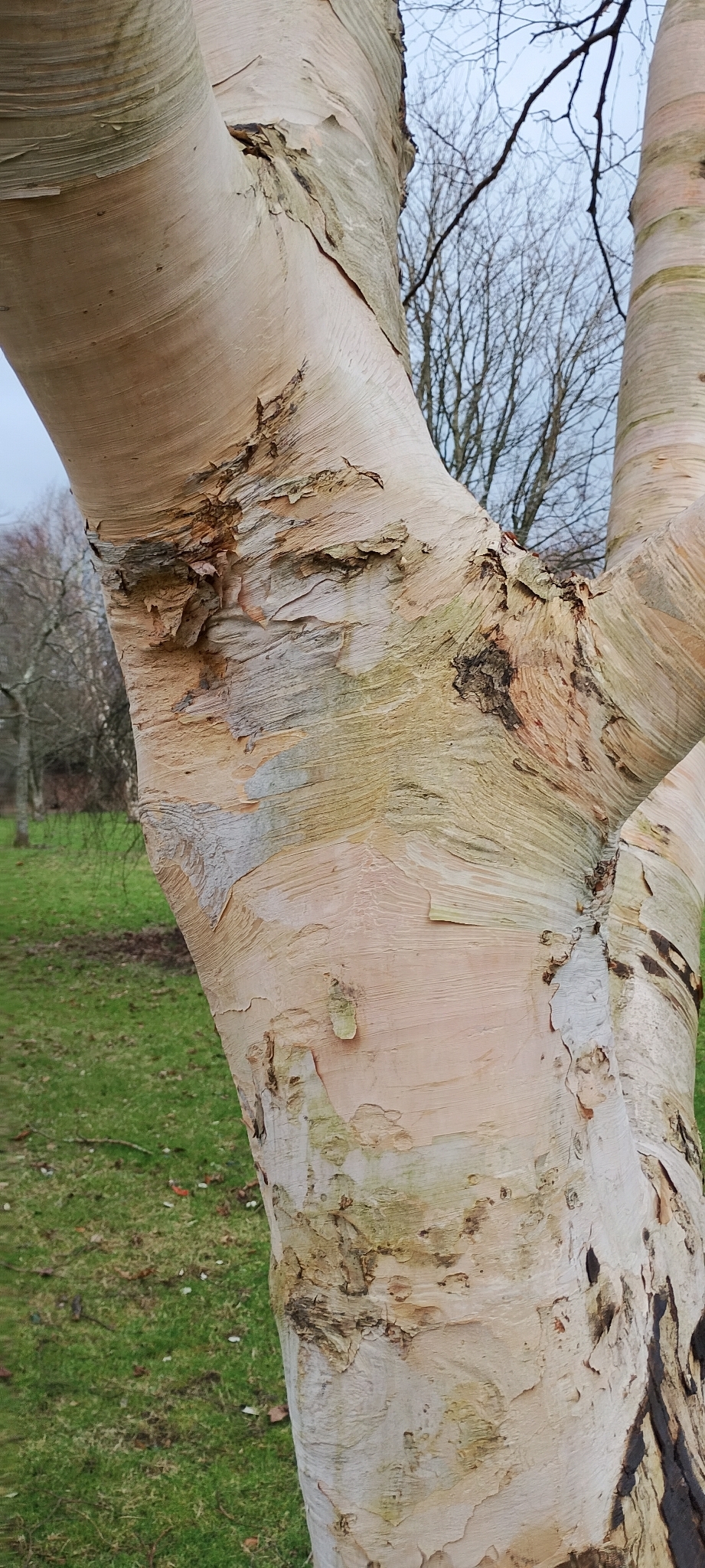
The Himalayan birch (Betula utilis) is a medium to large deciduous tree, renowned for its spectacular, exfoliating white bark that becomes brighter with age. Its ascending branches and bright green foliage, turning golden in autumn, make it ideal as a specimen tree or in groups, creating a stunning focal point in gardens and parks.
Native range
Himalayas, from eastern Afghanistan to southwestern China
Care tips
It prefers full sun to partial shade for optimal bark and foliage development. It needs moist but well-drained, slightly acidic soil, avoiding prolonged dryness, especially in its early years. Water regularly during dry periods, but avoid waterlogging which can lead to root diseases. A common mistake is planting it in heavy, compacted soils, which limits its overall growth and health.
How to save a dying Himalayan birch
- Warning signs
- Yellowing or browning leaves early, leaf drop, unusual cracked or peeling bark.
- First aid
- Check watering (moist soil, not waterlogged), protect from strong direct sun, improve soil drainage and aeration.
- What kills it
- Prolonged summer drought (especially if young), compacted or alkaline soils, too much direct sun in hot climates.
- Can it be saved?
- Yes, if you act quickly. It needs consistent moisture and well-drained, slightly acidic soil.