Downy birch (Betula pubescens)
Care, watering, light and tips for Downy birch on Floravia.
Quick facts
- Family: Betulaceae
- Difficulty: Easy to care for
- Watering: every 7 days
- Light: Partial shade
- Temperature: 10–30 °C
About Downy birch
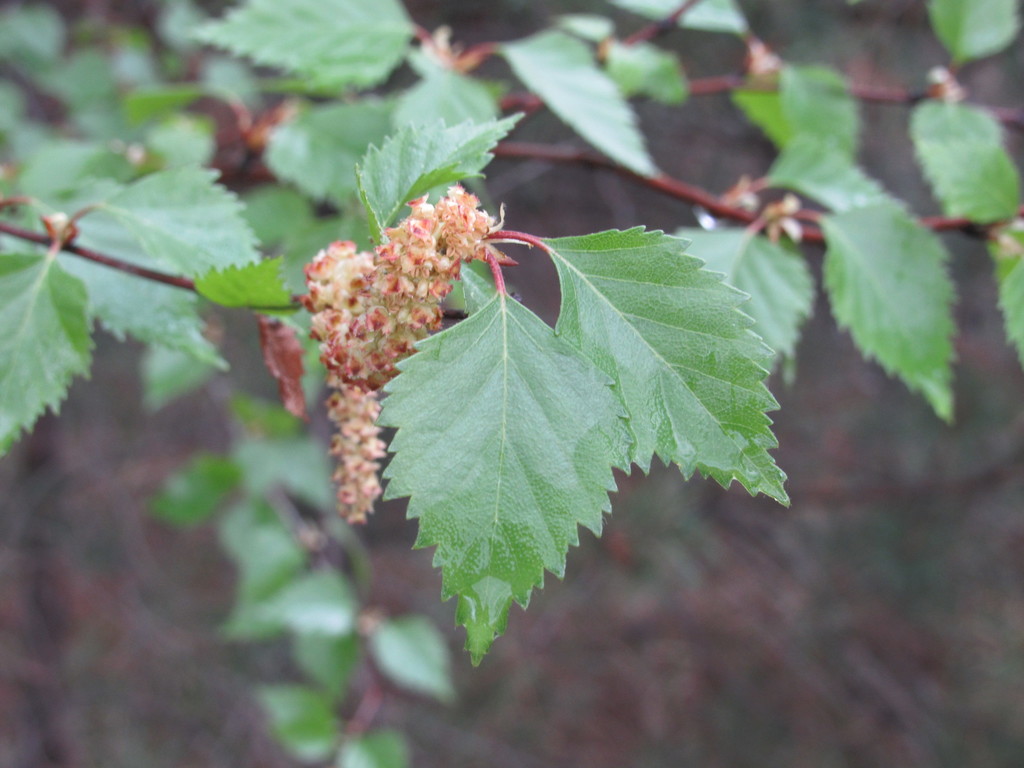
The Downy Birch (Betula pubescens), known as 'bjørk' in Norwegian, is a medium-sized tree native to cold climates. It is distinguished by its whitish or grayish bark that peels in layers and its oval, toothed leaves. It is ideal for large gardens, parks, or as an ornamental tree in rural areas, bringing natural elegance and a sense of lightness to the landscape.
Native range
Europe and Northern Asia
Care tips
It prefers full sun exposure or partial shade and moist, well-drained, slightly acidic soils. Watering should be regular, especially during dry periods and in its early years of life. Avoid very compacted or alkaline soils, as they can affect its development and health. A common mistake is planting it in areas with low ambient humidity, which can stress it.
How to save a dying Downy birch
- Warning signs
- Yellowing or browning leaves, especially in summer. Cracked or peeling bark. Slow or no growth.
- First aid
- Ensure deep, regular watering, especially during drought. Check drainage. Protect from direct sun if young. Consider fungicide for leaf spots.
- What kills it
- Prolonged lack of water in dry periods. Compacted or poor soil. Exposure to alkaline soils. Excessive or improper pruning.
- Can it be saved?
- Yes, if acted upon quickly. It's hardy but needs consistent moisture and slightly acidic soil. Recovery is possible with proper care.