Southern live oak (Quercus virginiana)
Care, watering, light and tips for Southern live oak on Floravia.
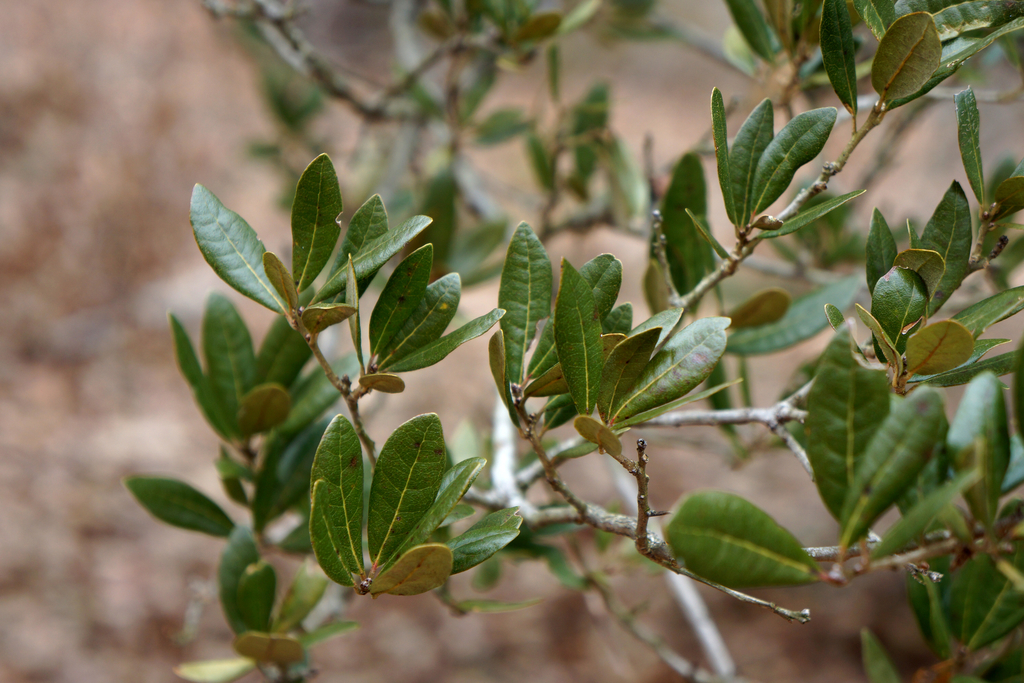
Quick facts
- Family: Fagaceae
- Difficulty: Moderate care
- Watering: every 7 days
- Light: Partial shade
- Temperature: 10–30 °C
- Toxicity: Toxic to pets
About Southern live oak
Quercus virginiana, commonly known as the Southern Live Oak, is a majestic evergreen tree native to the southeastern United States. It is distinguished by its impressive, wide-spreading canopy, often broader than it is tall, and its sturdy branches that can host Spanish moss, creating an iconic silhouette. It is ideal for large landscapes, avenues, and as a shade tree in spacious parks and gardens.
Native range
Southeastern United States
Care tips
It prefers full sun and is very tolerant of a wide range of soil types, as long as they are well-drained; although adaptable, it thrives best in sandy and loamy soils. Once established, it is extremely drought-resistant, making overwatering the most common mistake to avoid. During its first few years, ensure regular watering to establish a deep root system, but thereafter, water only during prolonged dry periods.
How to save a dying Southern live oak
- Warning signs
- Yellow or brown, wilted or falling leaves; dry, brittle branches; slow or no growth.
- First aid
- Check soil drainage and moisture (prefers well-drained, not waterlogged soil). Ensure full sun exposure and, if young, regular deep watering.
- What kills it
- Overwatering in heavy soils (root rot), lack of sun, or prolonged water stress in dry climates.
- Can it be saved?
- Yes, if roots aren't rotten and live branches remain. Recovery can be slow, but it's a resilient species.