Pedunculate oak (Quercus robur)
Care, watering, light and tips for Pedunculate oak on Floravia.
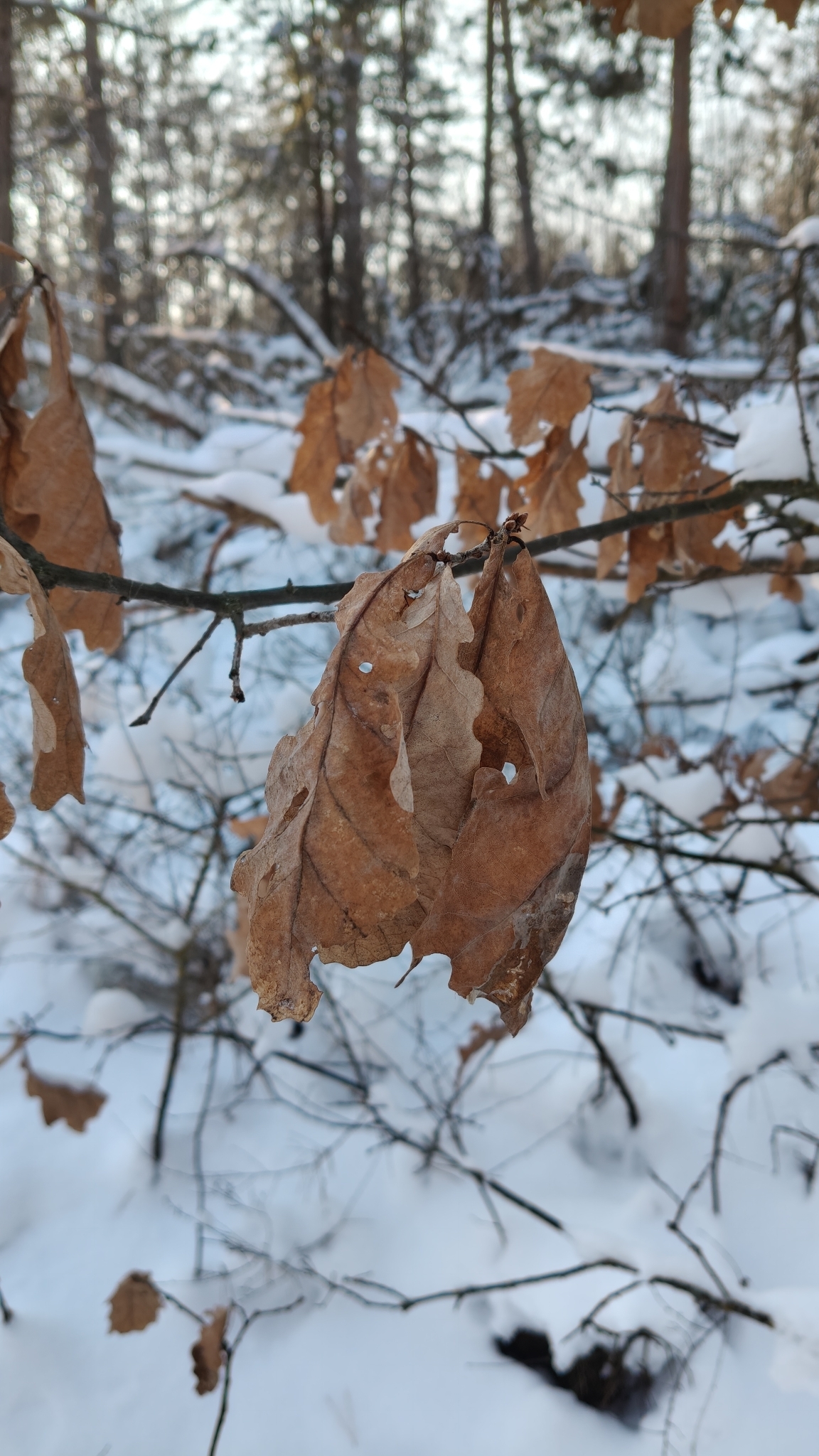
Quick facts
- Family: Fagaceae
- Difficulty: Moderate care
- Watering: every 7 days
- Light: Partial shade
- Temperature: 10–30 °C
- Toxicity: Toxic to pets
About Pedunculate oak
Quercus robur, commonly known as English oak, is a majestic and long-lived deciduous tree, emblematic of European landscapes. It is characterized by its broad and dense canopy, robust trunk, and deeply lobed, dark green leaves that turn yellow in autumn. It is ideal for large gardens, parks, and urban forestry, where it can fully develop and provide ample shade.
Native range
Europe and the Caucasus
Care tips
This oak prefers full sun exposure for optimal growth and good fruiting. Although it tolerates a wide variety of soils, it thrives best in deep, well-drained, slightly acidic to neutral soils. Regular watering during its first few years is crucial, especially in summer, to establish a strong root system; once established, it is quite drought-tolerant. Avoid planting it in areas with prolonged waterlogging, as it does not tolerate excessive moisture around its roots.
How to save a dying Pedunculate oak
- Warning signs
- Yellowish or brown leaves, wilting and premature shedding. Dry or brittle branches.
- First aid
- Deep watering if soil is dry. Prune dead branches. Protect from intense sun if young.
- What kills it
- Lack of water in dry summers or soil compaction. Excessive severe pruning.
- Can it be saved?
- Yes, if acted upon quickly. A young oak is more recoverable than a severely damaged adult one.