Lucombe oak (Quercus hispanica)
Care, watering, light and tips for Lucombe oak on Floravia.
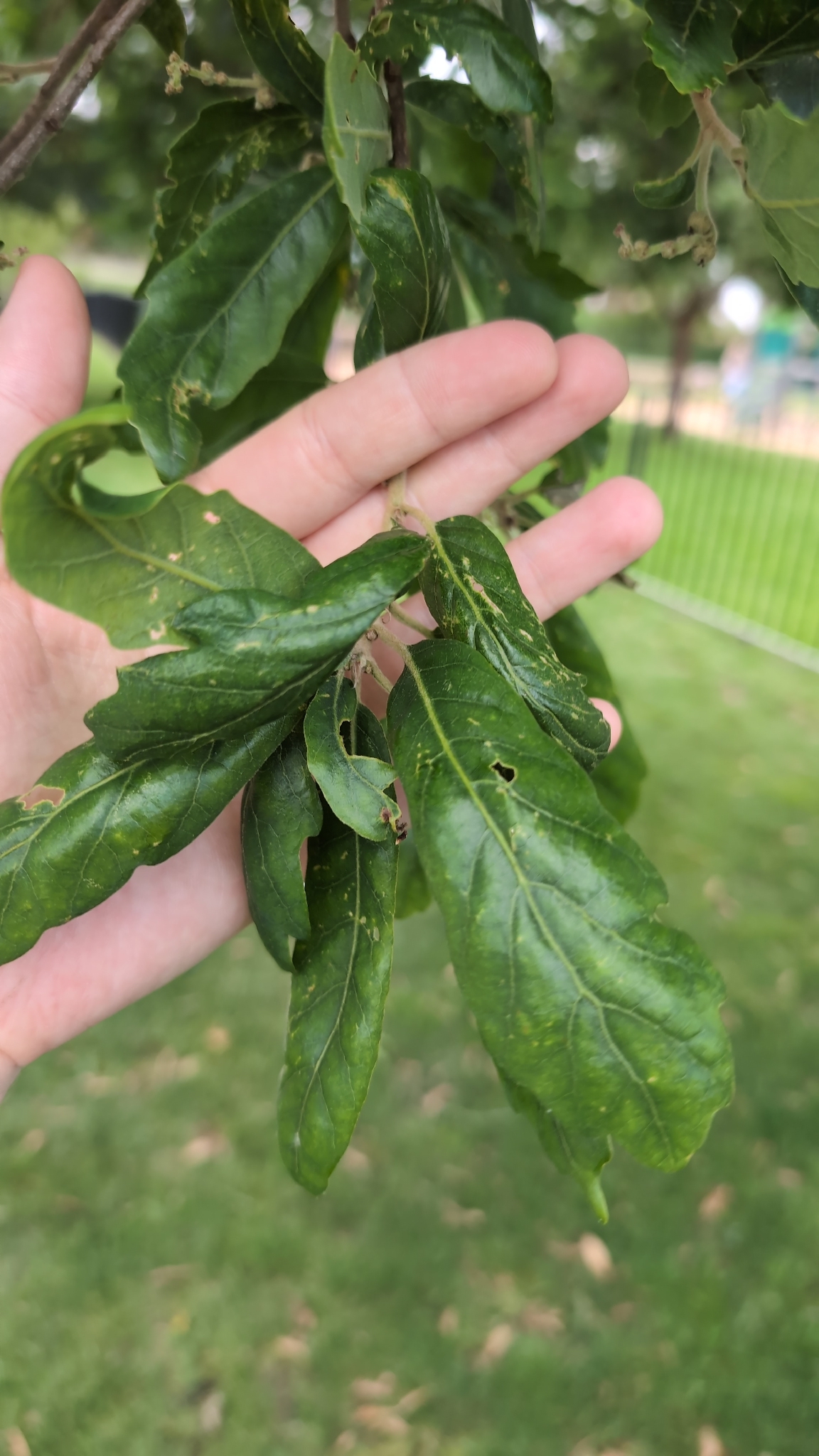
Quick facts
- Family: Fagaceae
- Difficulty: Easy to care for
- Watering: every 7 days
- Light: Partial shade
- Temperature: 10–30 °C
- Toxicity: Toxic to pets
About Lucombe oak
Quercus hispanica, commonly known as Lucombe Oak, is a semi-evergreen or deciduous hybrid tree, resulting from a cross between Quercus cerris and Quercus suber. It is notable for its distinctive corky bark and glossy green foliage, which can persist in mild climates. It is an excellent choice for parks and large gardens, where its majestic stature and dense shade can be fully appreciated.
Native range
Southwestern Europe (Iberian Peninsula and Southern France)
Care tips
It prefers a full sun exposure for optimal growth, although it tolerates some partial shade. Watering should be moderate once established, as it is drought-tolerant but appreciates deep watering during dry summers. It adapts to a wide range of soils, provided they are well-drained, avoiding waterlogging. A common mistake is planting it in confined spaces, as it requires ample room to develop its large spread.
How to save a dying Lucombe oak
- Warning signs
- Wilting, yellowing, or premature leaf drop, dry/brittle branches, stunted growth.
- First aid
- Check watering (not waterlogged or dry), drainage, and sun exposure. Prune dead branches. Consider repotting if soil is poor.
- What kills it
- Compacted or poorly drained soils, chronic over/under-watering, constant strong dry winds.
- Can it be saved?
- Yes, if addressed promptly. It's a robust tree. Key is correcting water stress and improving soil.