Kermes oak (Quercus pseudococcifera)
Care, watering, light and tips for Kermes oak on Floravia.
Quick facts
- Family: Fagaceae
- Difficulty: Easy to care for
- Watering: every 7 days
- Light: Partial shade
- Temperature: 10–30 °C
- Toxicity: Toxic to pets
About Kermes oak
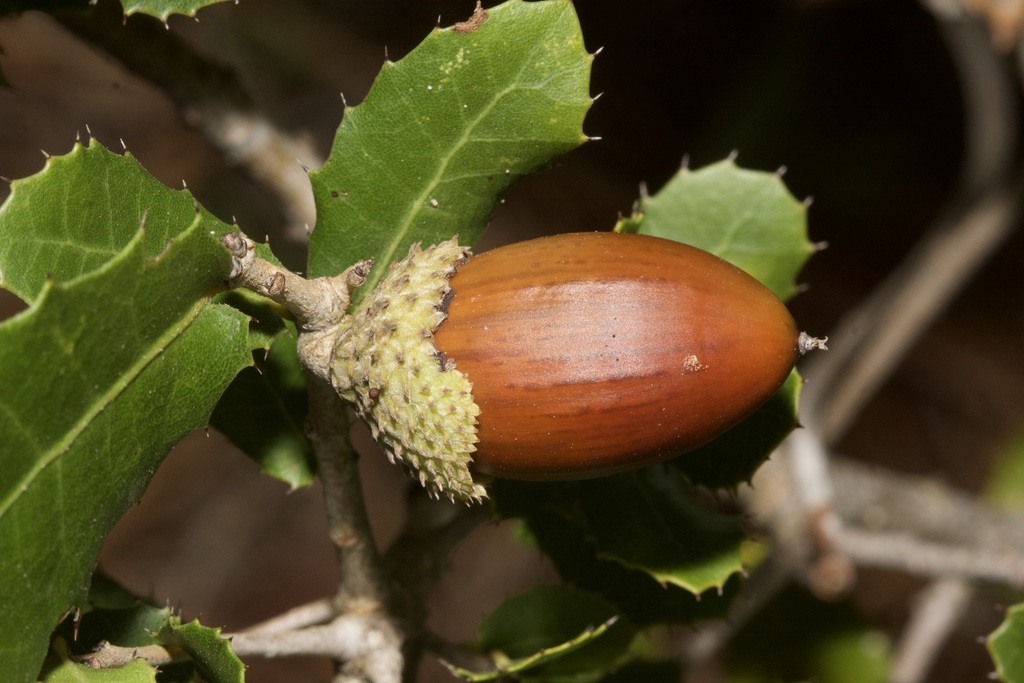
Quercus pseudococcifera, commonly known as false kermes oak, is an evergreen shrub or small tree native to the Mediterranean region, valued for its dense and resilient foliage. It features small, leathery, spiny, dark green leaves, giving it a robust and ornamental appearance. It is ideal for low-maintenance gardens, xeriscaping, defensive hedges, or as a standalone specimen in Mediterranean landscapes, providing structure and drought resistance.
Native range
Mediterranean region
Care tips
It requires full sun exposure for optimal growth and good fruiting. It is extremely drought-tolerant once established, so watering should be sparse, especially in summer. It prefers well-drained soils, even poor and calcareous ones, and does not tolerate waterlogging. A common mistake is overwatering, which can lead to root rot.
How to save a dying Kermes oak
- Warning signs
- Leaves curling or massive leaf drop. Dry, brittle tips.
- First aid
- Move to semi-shade. Check drainage and aeration. Water deeply, only when substrate is dry. Avoid waterlogging.
- What kills it
- Overwatering and lack of drainage, suffocating its roots. Also, extreme sun exposure without prior adaptation or summer transplant.
- Can it be saved?
- Yes, if roots aren't rotted and main trunk is undamaged. Act quickly.