Cork oak (Quercus suber)
Care, watering, light and tips for Cork oak on Floravia.
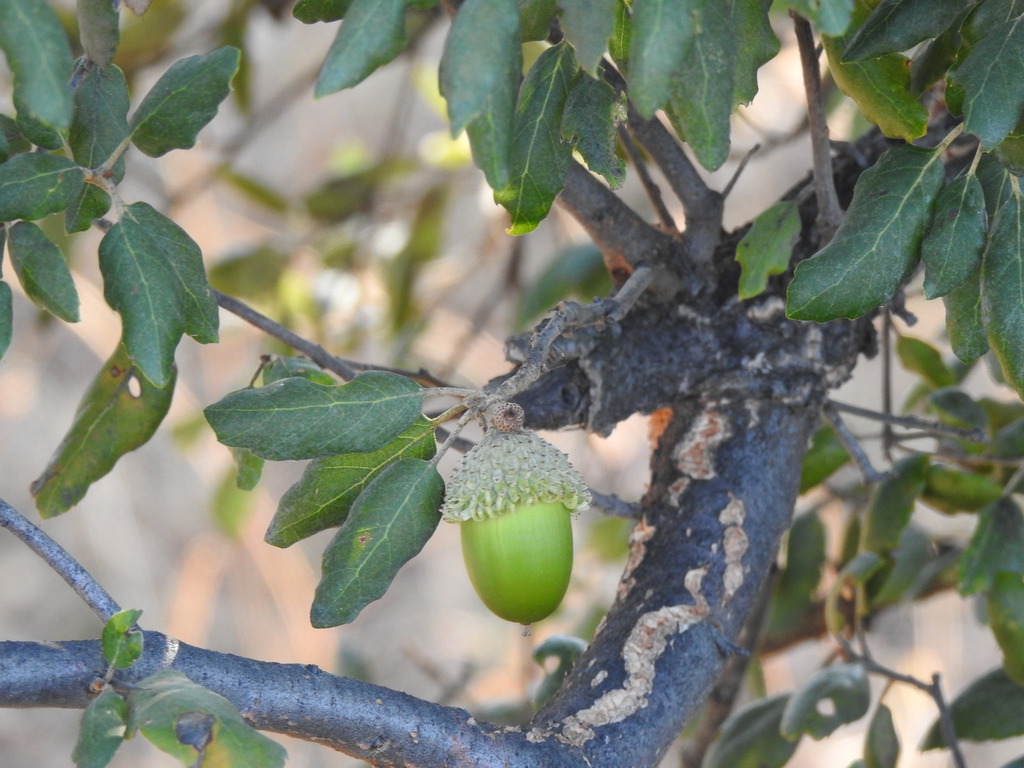
Quick facts
- Family: Fagaceae
- Difficulty: Demanding
- Watering: every 7 days
- Light: Partial shade
- Temperature: 10–30 °C
- Toxicity: Toxic to pets
About Cork oak
The Cork Oak (Quercus suber) is a medium to large evergreen tree, renowned for its thick, corky bark from which cork is harvested. Its dark green foliage and robust silhouette make it ideal for large gardens, parks, and as a shade tree in Mediterranean landscapes. It is a majestic tree that adds character and ecological value to any setting.
Native range
Southwestern Europe and Northwestern Africa
Care tips
It requires full sun for optimal growth and tolerates drought well once established, though it appreciates occasional watering in very dry summers. It prefers well-drained, slightly acidic to neutral soils, and does not tolerate waterlogging. A common mistake is attempting to prune the bark prematurely or incorrectly, which can damage the tree and its cork production capacity.
How to save a dying Cork oak
- Warning signs
- Yellowish or reddish leaves, premature drop, cracked bark or unusual spots, weak shoots. Presence of cork canker.
- First aid
- Check soil drainage and moisture. Protect from strong winds and late frosts. Prune dry or diseased branches with disinfected tools.
- What kills it
- Constant waterlogging, soil compaction, excessive pruning at wrong times, or damage to the cork during harvesting.
- Can it be saved?
- Yes, if acted upon promptly. Its resilience allows recovery if stress causes are corrected.