Sessile oak (Quercus petraea)
Care, watering, light and tips for Sessile oak on Floravia.
Quick facts
- Family: Fagaceae
- Difficulty: Demanding
- Watering: every 7 days
- Light: Partial shade
- Temperature: 10–30 °C
- Toxicity: Toxic to pets
About Sessile oak
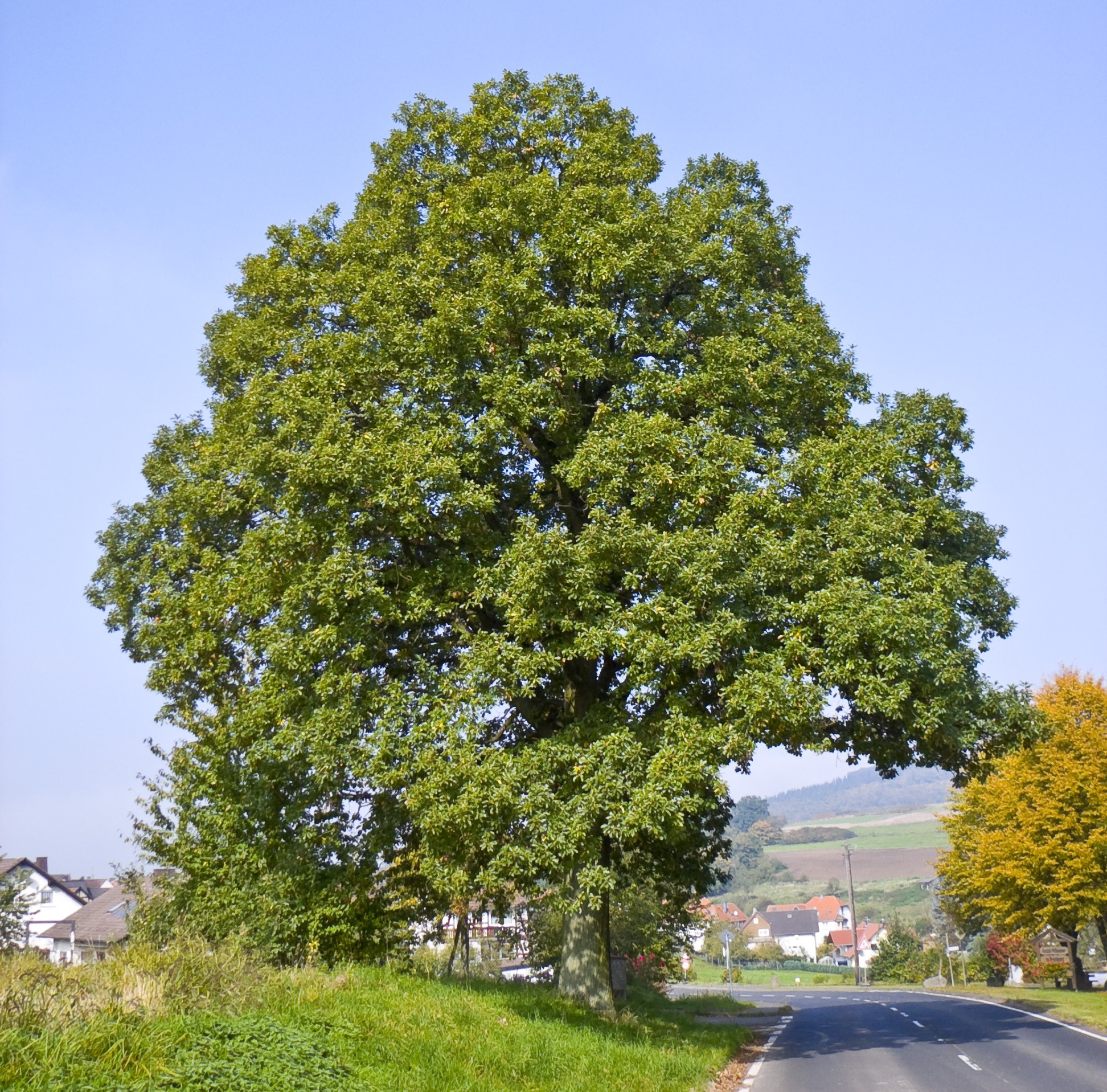
Quercus petraea, commonly known as the Sessile Oak or Durmast Oak, is a majestic deciduous tree native to Europe, renowned for its robustness and longevity. It features a broad, dense crown with dark green lobed leaves that turn coppery in autumn. It is ideal for large gardens, parks, and woodlands, where its imposing presence can be fully appreciated.
Native range
Europe, from Spain to Russia
Care tips
The Sessile Oak thrives in full sun to partial shade and well-drained soils, ranging from acidic to slightly alkaline. It is very drought-tolerant once established, but young trees will benefit from regular watering during dry spells. A common mistake is planting it in small pots or confined spaces, as it requires ample room to develop its extensive root system. Ensure it has a spacious, unrestricted location for optimal growth.
How to save a dying Sessile oak
- Warning signs
- Yellowish or brown leaves falling prematurely, weak shoots, cracked bark or cankers.
- First aid
- Ensure good drainage, deep watering if soil is dry, protect from pests like oak borer.
- What kills it
- Constant waterlogging, soil compaction, excessive pruning that weakens the tree.
- Can it be saved?
- Yes, if detected early and conditions are corrected. A young oak is more recoverable.