Downy oak (Quercus cerrioides)
Care, watering, light and tips for Downy oak on Floravia.
Quick facts
- Family: Fagaceae
- Difficulty: Moderate care
- Watering: every 7 days
- Light: Partial shade
- Temperature: 10–30 °C
- Toxicity: Toxic to pets
About Downy oak
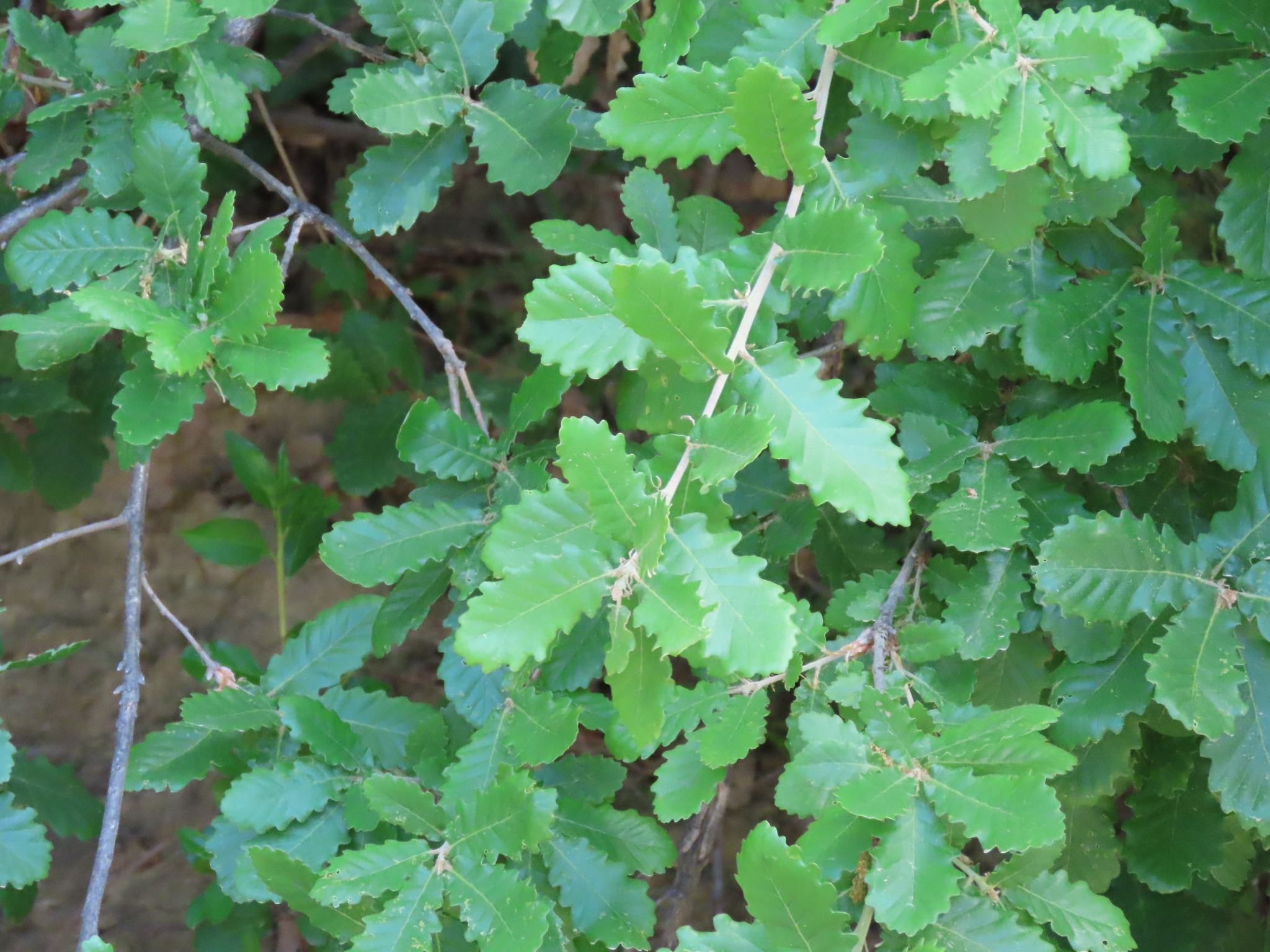
Quercus cerrioides, also known as the Downy Oak or Pubescent Oak, is a medium to large-sized deciduous tree, characterized by its lobed leaves with a downy underside and its fissured bark. It is ideal for parks, large gardens, or forest restoration projects, providing a majestic presence and dense shade. Its acorns are an important resource for local wildlife.
Native range
Southern and Central Europe, as well as Southwest Asia
Care tips
It prefers full sun exposure and tolerates drought well once established, although occasional watering in very dry summers will promote its development. It adapts to a wide variety of soils, as long as they have good drainage, avoiding waterlogging. The most common mistake to avoid is overwatering in heavy soils, which can lead to root rot. It is a hardy and low-maintenance species.
How to save a dying Downy oak
- Warning signs
- Yellowish or brown leaves falling prematurely, wilted young shoots, cracked bark.
- First aid
- Check soil drainage and moisture. Ensure no waterlogging or extreme drought. Protect from strong winds.
- What kills it
- Constant waterlogging, leading to root rot. Also prolonged drought in young specimens.
- Can it be saved?
- Yes, if acted upon quickly. The key is good drainage and proper watering for its needs.