Quercus faginea
Care, watering, light and tips for Quercus faginea on Floravia.
Quick facts
- Family: Fagaceae
- Difficulty: Easy to care for
- Watering: every 7 days
- Light: Partial shade
- Temperature: 10–30 °C
- Toxicity: Toxic to pets
About Quercus faginea
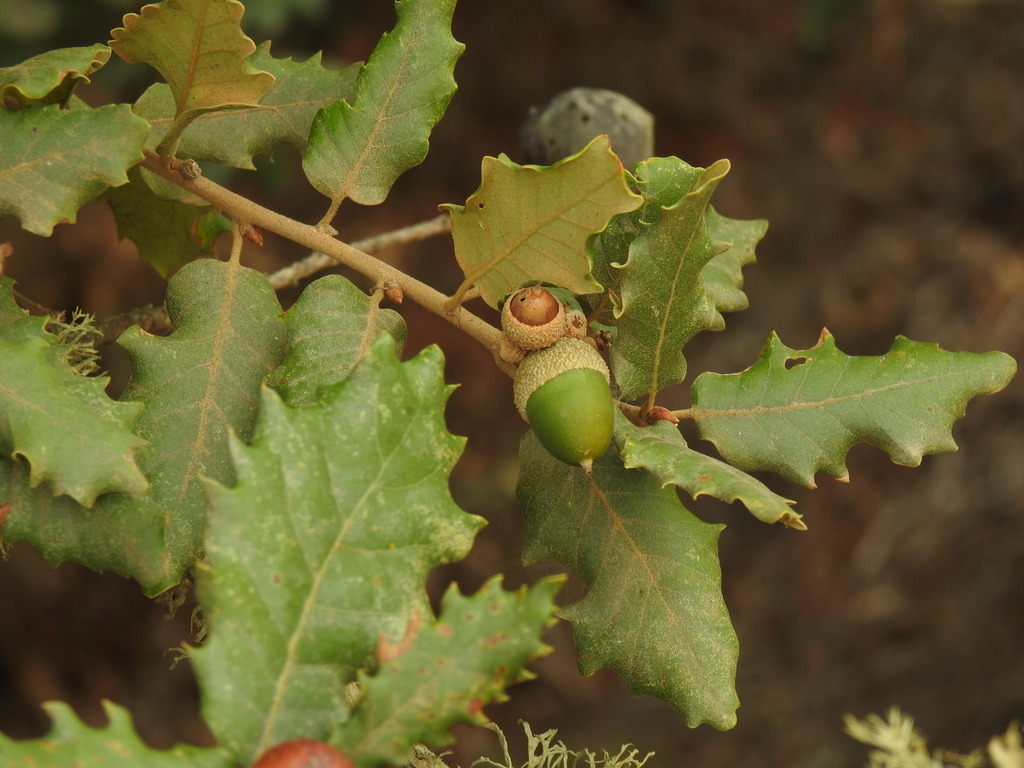
Quercus faginea, also known as Portuguese oak or Lusitanian oak, is a semi-deciduous or deciduous tree native to southwestern Europe and northwestern Africa, reaching up to 20 meters in height. It is characterized by its fissured bark and lobed leaves, resembling those of a beech, which often persist on the tree through much of the winter in mild climates. It is an excellent choice for reforestation projects, parks, and large gardens where a robust tree with high ecological value is desired.
Native range
Iberian Peninsula and North Africa
Care tips
This oak thrives in full sun to partial shade and is drought-tolerant once established, though it benefits from regular watering during its early years. It adapts to a wide range of soils, from calcareous to siliceous, as long as they are well-drained. Avoid waterlogging, as it is susceptible to fungal diseases in excessively humid conditions. A common mistake is planting it in small containers, as its deep root system requires ample space to develop.
How to save a dying Quercus faginea
- Warning signs
- Wilted or dry leaf tips, premature yellowing, excessive leaf drop outside of autumn.
- First aid
- Deep, infrequent watering (if drought), protect from direct sun and strong winds if young or newly planted. Check drainage.
- What kills it
- Overwatering (especially in heavy soils), underwatering in early years or dry summers, soil compaction.
- Can it be saved?
- Yes, if acted upon quickly. It's a resilient tree, but sensitive to water and soil stress in early stages or extreme conditions.