American chestnut (Castanea dentata)
Care, watering, light and tips for American chestnut on Floravia.
Quick facts
- Family: Fagaceae
- Difficulty: Demanding
- Watering: every 7 days
- Light: Partial shade
- Temperature: 10–30 °C
About American chestnut
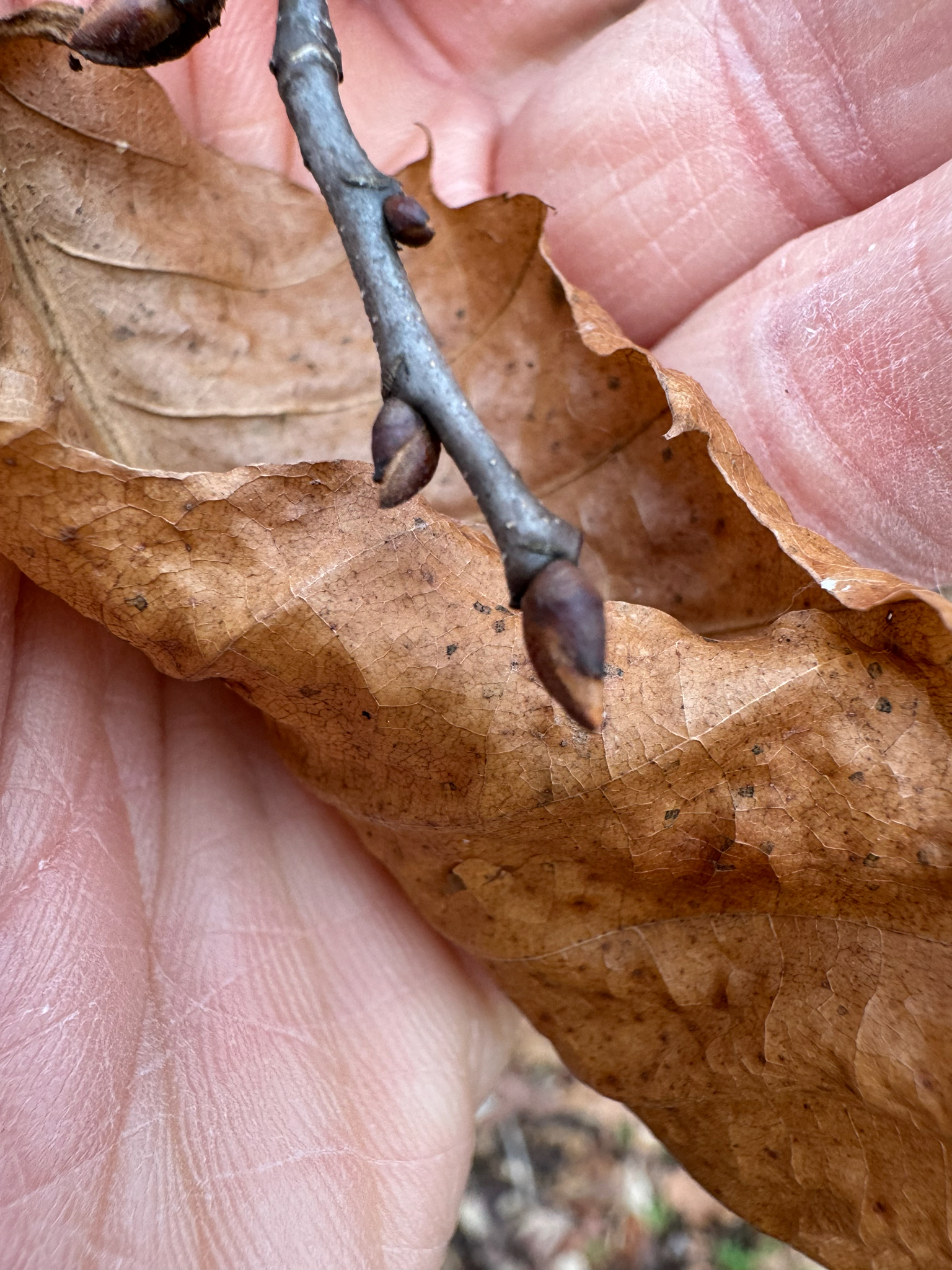
The Castanea dentata, commonly known as the American Chestnut, is a majestic and fast-growing deciduous tree native to eastern North America. It is characterized by its tall and slender stature, reaching great heights, and its bright green, toothed leaves. It is ideal for large properties, parks, or as a shade tree, although its use has declined due to the chestnut blight.
Native range
Eastern North America
Care tips
The American Chestnut thrives in full sun, requiring at least 6 hours of direct light per day for optimal growth. It prefers acidic, well-drained soils rich in organic matter; it is crucial to avoid alkaline or waterlogged soils. Watering should be regular during the first few years, especially during dry periods, to establish a strong root system. The most common mistake is planting it in unsuitable soils or in areas with a high risk of chestnut blight, a devastating fungal disease.
How to save a dying American chestnut
- Warning signs
- Yellowing or browning leaves, wilting, premature leaf drop, cankers on the trunk.
- First aid
- Assess soil (drainage, pH), prune affected branches, improve ventilation. Consider chestnut blight.
- What kills it
- Ignoring early symptoms of diseases like chestnut blight or unsuitable soil conditions.
- Can it be saved?
- Difficult if blight is advanced, but early diagnosis and soil management can help.