Chinese chestnut (Castanea mollissima)
Care, watering, light and tips for Chinese chestnut on Floravia.
Quick facts
- Family: Fagaceae
- Difficulty: Moderate care
- Watering: every 7 days
- Light: Partial shade
- Temperature: 10–30 °C
About Chinese chestnut
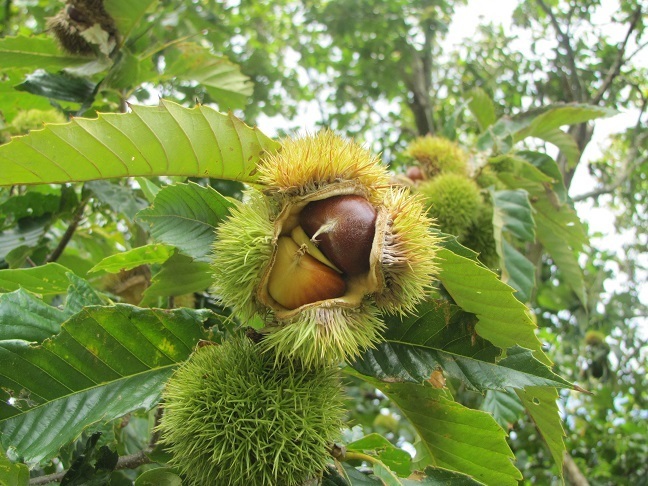
Castanea mollissima, commonly known as Chinese Chestnut, is a medium to large deciduous tree, prized for its edible nuts and disease resistance. It features dense, dark green foliage with lanceolate, toothed leaves that turn yellow or golden in autumn, offering seasonal appeal in large gardens, parks, or as a fruit tree in orchards.
Native range
China, Korea, and Taiwan
Care tips
It requires full sun for optimal fruit production and healthy growth. Watering should be regular during dry periods, especially in its early years, avoiding waterlogging as it prefers well-drained, slightly acidic soils. A common mistake is planting it in heavy or alkaline soils, which can lead to chlorosis and poor development.
How to save a dying Chinese chestnut
- Warning signs
- Yellowing or browning leaves, wilting, premature fruit or leaf drop.
- First aid
- Check soil drainage and moisture. Ensure slightly acidic pH (5.5-6.5). Protect from strong winds and late frosts.
- What kills it
- Waterlogged or alkaline soil. Lack of protection from late spring frosts affecting flowering.
- Can it be saved?
- Yes, if soil issues or environmental stress are corrected quickly. Act promptly.