Cypress spurge (Euphorbia cyparissias)
Care, watering, light and tips for Cypress spurge on Floravia.
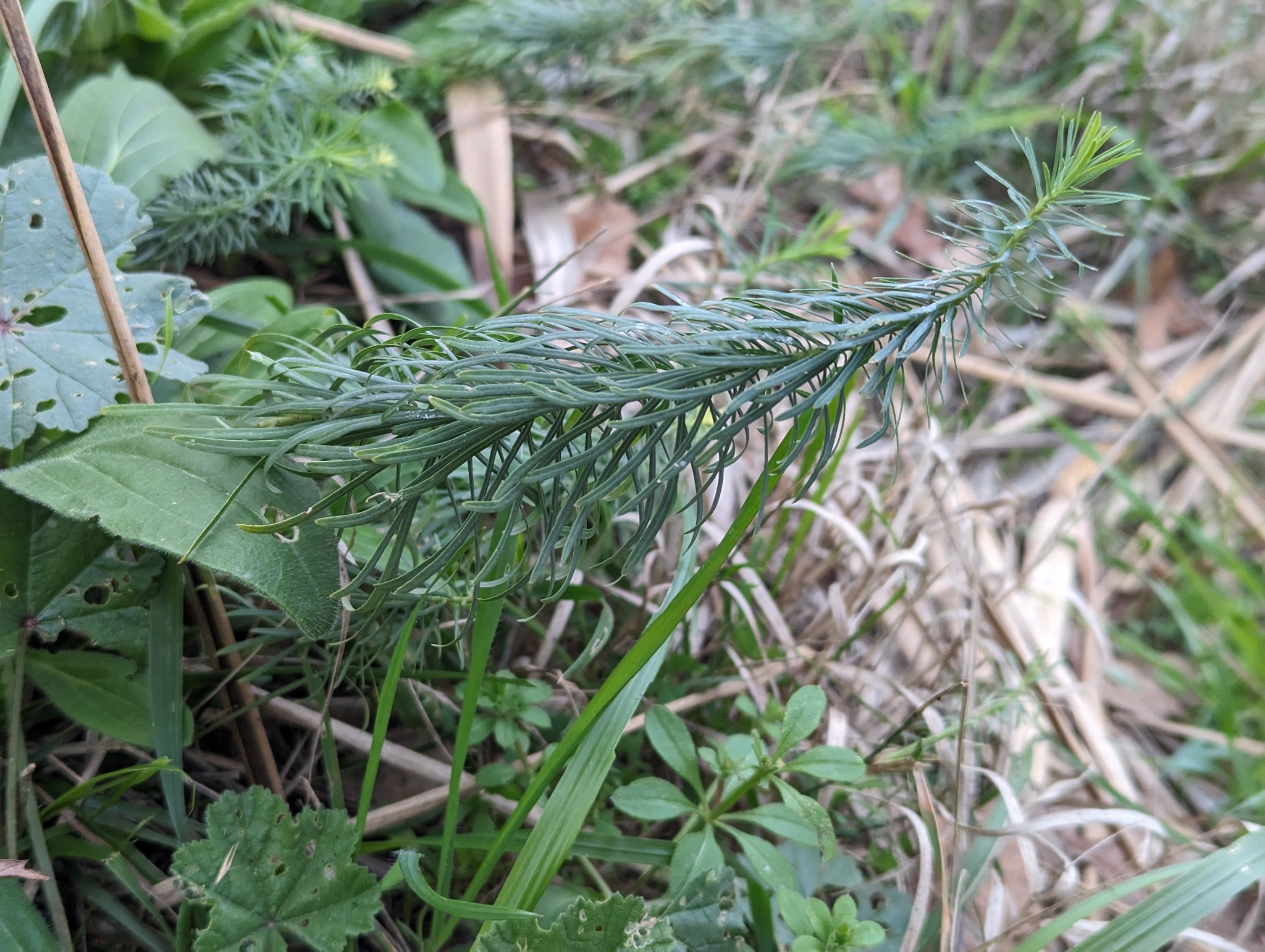
Quick facts
- Family: Euphorbiaceae
- Difficulty: Easy to care for
- Watering: every 14 days
- Light: Full sun
- Temperature: 10–38 °C
- Toxicity: Toxic to pets
About Cypress spurge
Euphorbia cyparissias, commonly known as cypress spurge, is a perennial plant in the Euphorbiaceae family, valued for its fine, cypress-needle-like foliage and yellowish bracts that emerge in spring. It forms dense, slightly spreading clumps, creating a soft texture and an attractive contrast in rock gardens, along paths, or as ground cover. Its ethereal appearance and early bloom make it ideal for adding seasonal interest to the garden.
Native range
Central and Southern Europe, from France to the Balkans
Care tips
It thrives in full sun for optimal growth and abundant flowering, though it tolerates some partial shade. Once established, it is very drought-tolerant, so watering should be moderate, allowing the soil to dry out completely between waterings to prevent waterlogging. It requires well-drained, sandy, or slightly poor soil and does not tolerate heavy or very wet soils. Be cautious with its milky sap, as it is irritating to the skin and eyes.
How to save a dying Cypress spurge
- Warning signs
- Soft or black stems (rot), yellow and falling leaves (overwatering), or dry and brittle (underwatering/extreme sun).
- First aid
- Remove plant from pot, inspect roots. If rotted, cut affected parts, let dry. Repot in fresh, well-draining soil. If dry, water moderately.
- What kills it
- Overwatering is the main enemy, especially in winter. Also waterlogging and poor drainage.
- Can it be saved?
- Yes, if you act quickly against rot. It's a resilient plant, but standing water is lethal to its roots.