Rubber tree (Hevea brasiliensis)
Care, watering, light and tips for Rubber tree on Floravia.
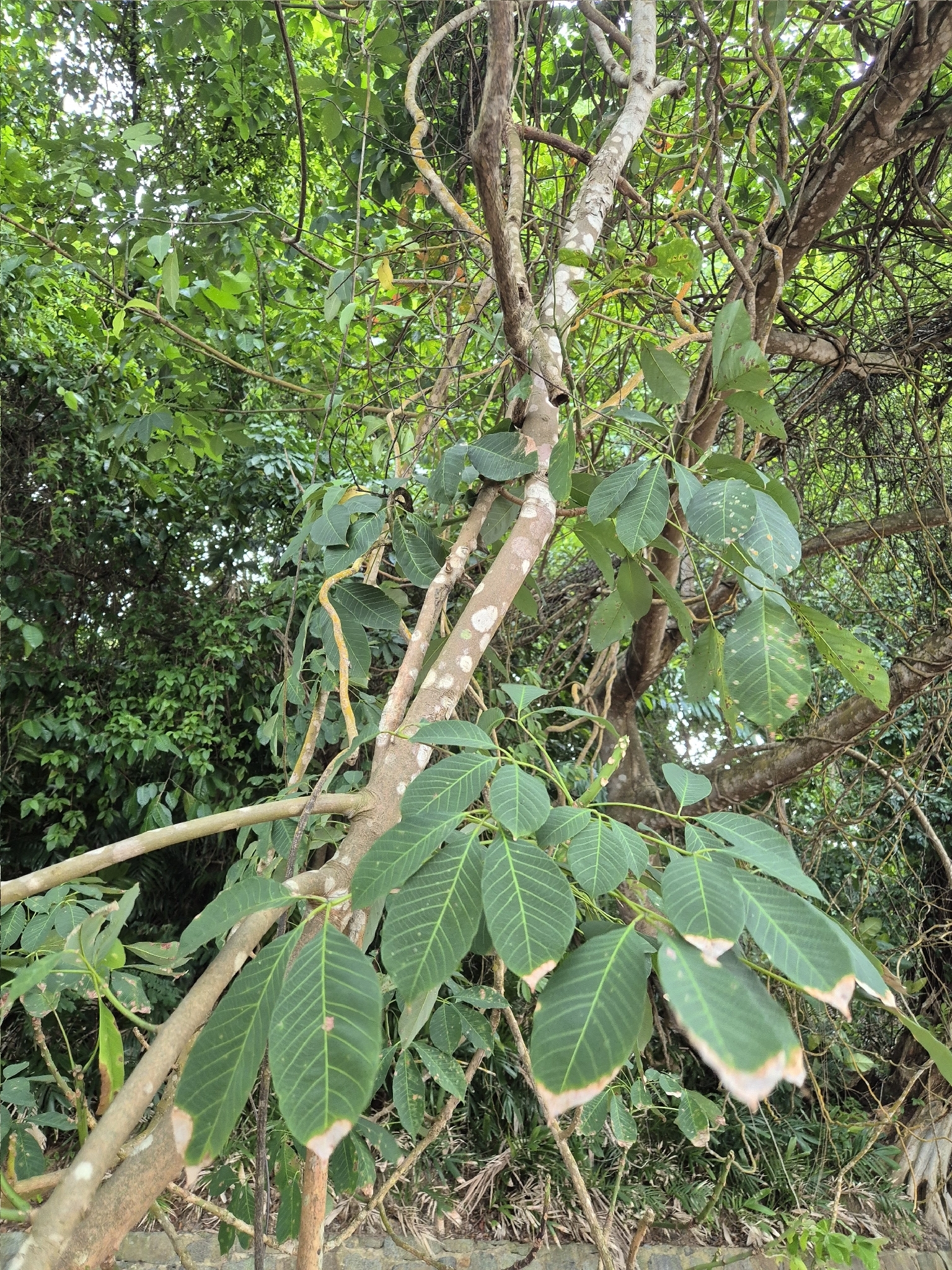
Quick facts
- Family: Euphorbiaceae
- Difficulty: Moderate care
- Watering: every 7 days
- Light: Full sun
- Temperature: 10–38 °C
- Toxicity: Toxic to pets
About Rubber tree
Hevea brasiliensis, commonly known as the Rubber Tree, is a tropical plant from the Euphorbiaceae family, renowned for its latex used in natural rubber production. In its natural habitat, it's a large tree, but indoors it's cultivated as a lush, glossy-leaved foliage plant. Its large, oval, deep green leaves make it ideal for adding a tropical and elegant touch to spacious, well-lit areas.
Native range
Amazon Basin, South America
Care tips
It requires bright, indirect light; direct sunlight can scorch its leaves. Water when the top inch of soil feels dry to the touch, avoiding waterlogging which can lead to root rot. It prefers a well-draining substrate rich in organic matter. A common mistake is overwatering, which causes the lower leaves to drop.
How to save a dying Rubber tree
- Warning signs
- Yellow or brown falling leaves, soft stems, stunted growth. Check for pests like mealybugs or spider mites.
- First aid
- Check soil (moist, not soggy), move to bright indirect light, avoid drafts. Inspect roots if rot is suspected.
- What kills it
- Overwatering (main cause of root rot) and insufficient light. Also constant dry, cold air.
- Can it be saved?
- Yes, if you act quickly. Remove damaged parts, adjust watering and light. Recovery is slow but possible.