Japanese yew (Taxus cuspidata)
Care, watering, light and tips for Japanese yew on Floravia.
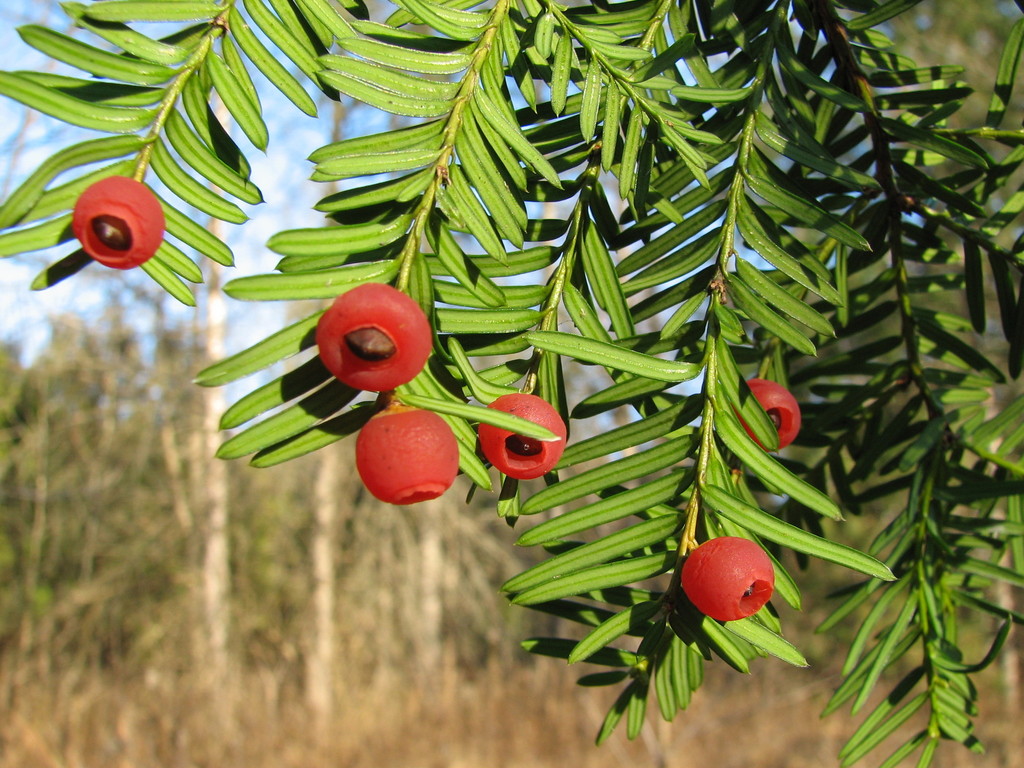
Quick facts
- Family: Taxaceae
- Difficulty: Moderate care
- Watering: every 7 days
- Light: Partial shade
- Temperature: 10–30 °C
- Toxicity: Toxic to pets
About Japanese yew
Taxus cuspidata, commonly known as Japanese Yew or Rigid-branch Yew, is a slow-growing evergreen conifer prized for its dense, dark green foliage and adaptable form. It can grow as a wide shrub or a small tree, featuring attractive bark and fleshy red berries (arils) on female plants. It's an excellent choice for formal hedges, topiary, screens, or as a specimen plant in temperate gardens.
Native range
East Asia (Japan, Korea, northeastern China, and the far southeastern Russia)
Care tips
It prefers locations with partial shade to full sun, though it appreciates some protection from the afternoon sun in very hot climates. The soil should be well-drained, slightly acidic to neutral, and rich in organic matter; avoid waterlogged soils. Water regularly during establishment, then it is quite drought-tolerant, but keep the substrate slightly moist during dry periods. A common mistake is overwatering, which can lead to root rot; ensure optimal drainage.
How to save a dying Japanese yew
- Warning signs
- Yellow or brown, drooping needles. Massive needle drop. Dry, brittle branches.
- First aid
- Check drainage. Repot if soil is waterlogged or compacted. Prune dead branches. Water if substrate is dry.
- What kills it
- Overwatering (root rot) or prolonged drought. Poor or undrained soil.
- Can it be saved?
- Yes, if roots aren't completely rotted and there are green shoots. Act fast.