Pacific yew (Taxus brevifolia)
Care, watering, light and tips for Pacific yew on Floravia.
Quick facts
- Family: Taxaceae
- Difficulty: Moderate care
- Watering: every 7 days
- Light: Partial shade
- Temperature: 10–30 °C
- Toxicity: Toxic to pets
About Pacific yew
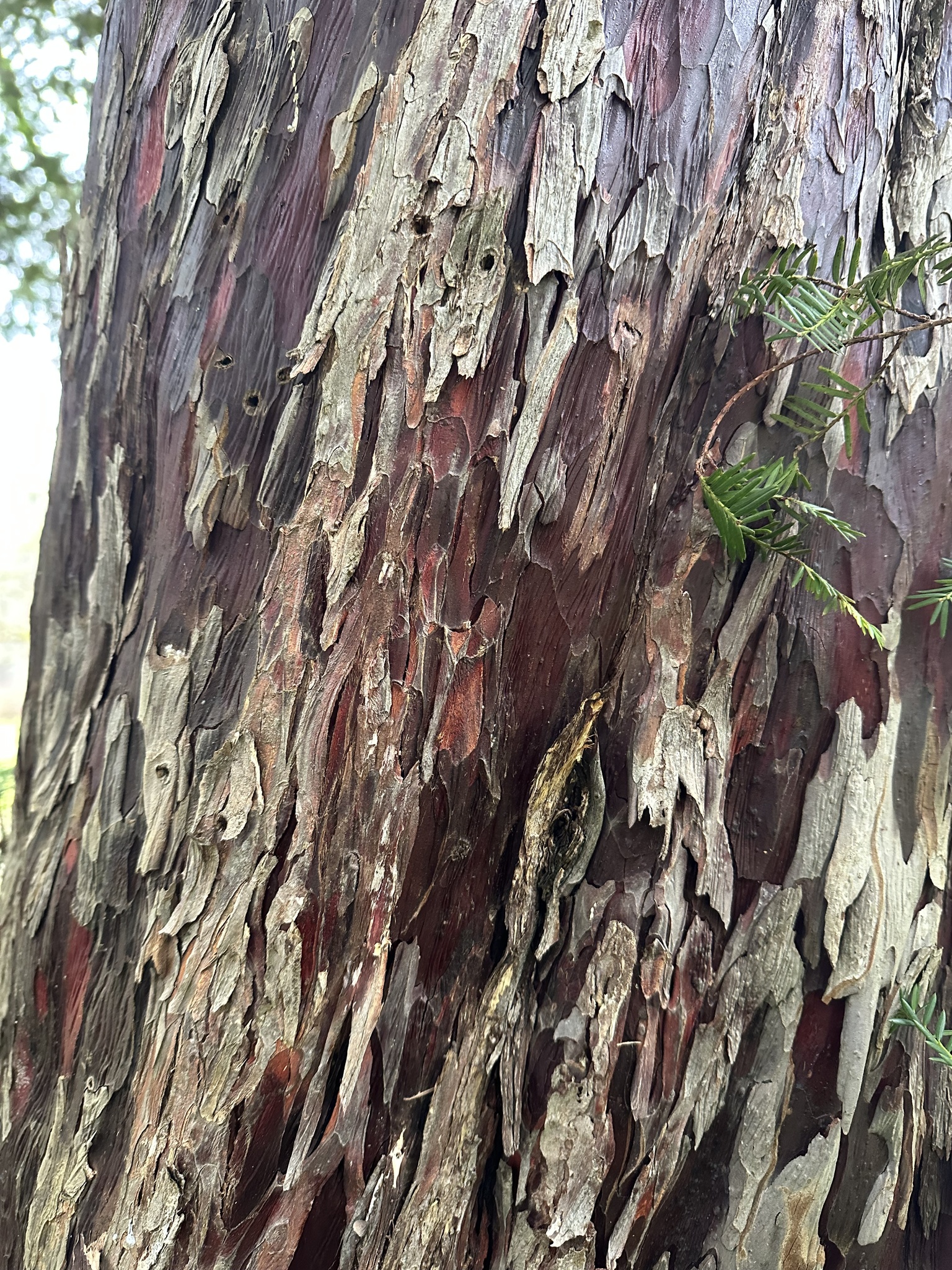
Taxus brevifolia, commonly known as the Pacific Yew, is a slow-growing conifer native to northwestern North America, prized for its durable wood and dark green evergreen needles. Its columnar or conical shape and reddish, scaly bark make it an excellent specimen plant in woodland gardens or as part of formal hedges. This long-lived species adds elegant structure and textural interest to the landscape.
Native range
Pacific Northwest of North America, from Alaska to California
Care tips
The Pacific Yew prefers partial to full shade, especially in warmer climates, and well-drained, moist, slightly acidic soils. It requires regular watering to keep the substrate consistently damp but not waterlogged, especially during dry periods. A common mistake is planting it in heavy or poorly drained soils, which can lead to root rot. It is quite drought-tolerant once established but benefits from mulching to retain soil moisture.
How to save a dying Pacific yew
- Warning signs
- Yellowing or browning needles, excessive leaf drop, slow or no growth, dry branches.
- First aid
- Check drainage. Reduce watering if soil is wet. Provide partial shade from direct sun. Lightly fertilize in spring.
- What kills it
- Constant waterlogging causing root rot. Also intense, prolonged direct sun, especially in warm climates.
- Can it be saved?
- Yes, if roots aren't completely rotted and green shoots remain. Act quickly.