Meadowsweet (Filipendula ulmaria)
Care, watering, light and tips for Meadowsweet on Floravia.
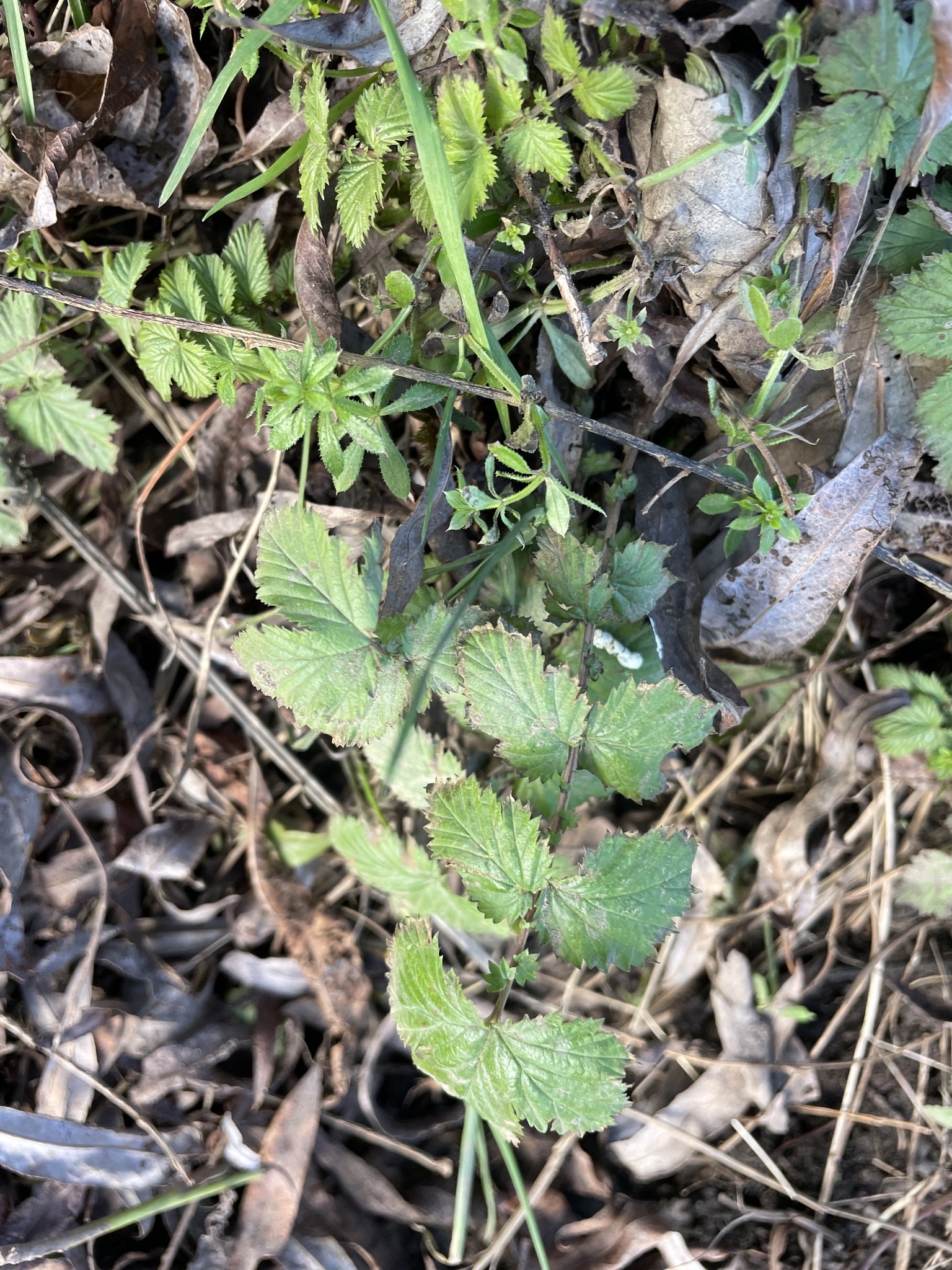
Quick facts
- Family: Rosaceae
- Difficulty: Easy to care for
- Watering: every 3 days
- Light: Full sun
- Temperature: 0–30 °C
About Meadowsweet
Filipendula ulmaria, commonly known as Meadowsweet, is a perennial herbaceous plant from the Rosaceae family, prized for its fragrant creamy flowers that form dense clusters. It grows to a height of 1 to 2 meters, with dark green serrated leaves, and is ideal for pond edges, wetland gardens, or areas with moist soils, adding a wild and elegant touch. Its presence attracts pollinators and its sweet aroma is highly valued in the garden.
Native range
Europe and temperate Asia
Care tips
Meadowsweet thrives best in partial shade to full sun, provided the soil remains consistently moist; it does not tolerate drought. It requires abundant and regular watering, especially in warm climates or during dry periods, preventing the substrate from drying out completely. It prefers rich, organic, moist, and well-drained soils. A common mistake to avoid is planting it in dry soils or neglecting to water it, which will lead to rapid wilting and weakening of the plant.
How to save a dying Meadowsweet
- Warning signs
- Wilting, yellowing, or brown-spotted leaves. Premature flower drop. Weak or soft stems.
- First aid
- Check watering (moist, not waterlogged soil). Ensure good ventilation and partial shade. Remove damaged parts.
- What kills it
- Prolonged drought or constant waterlogging, rotting its roots. Lack of light or excessive direct sun.
- Can it be saved?
- Yes, if roots aren't completely rotted and main stem still has vigor. Act quickly.