Common bramble (Rubus nemoralis)
Care, watering, light and tips for Common bramble on Floravia.
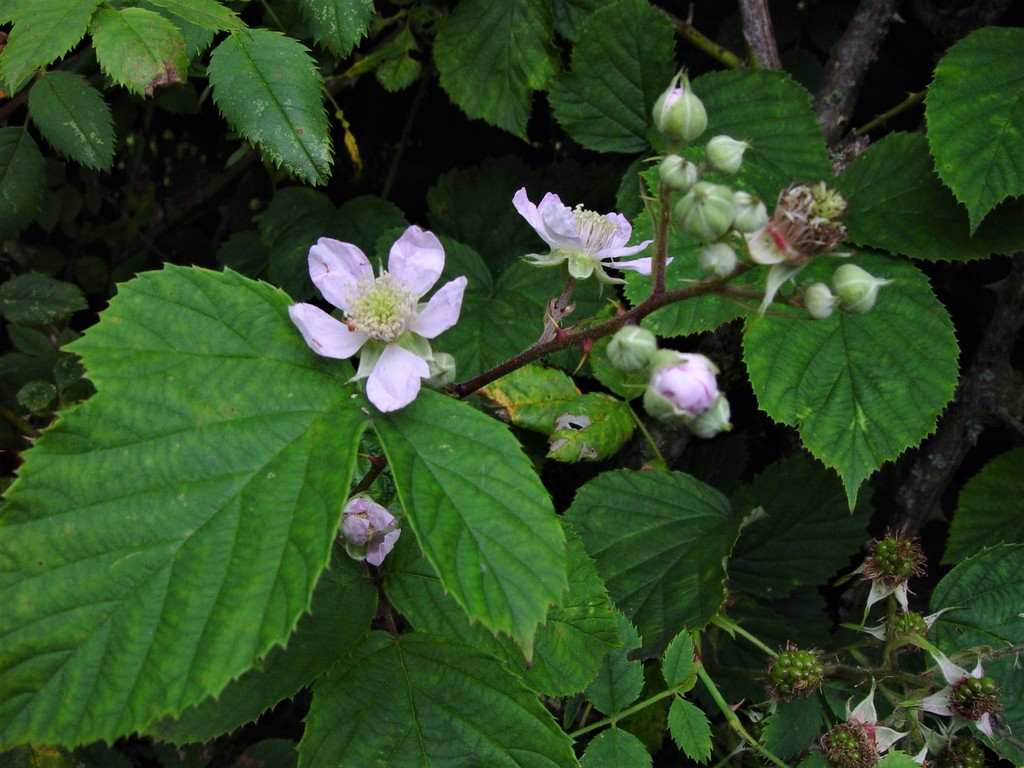
Quick facts
- Family: Rosaceae
- Difficulty: Easy to care for
- Watering: every 3 days
- Light: Full sun
- Temperature: 0–30 °C
About Common bramble
Rubus nemoralis, commonly known as Norwegian blackberry, is a deciduous shrub from the Rosaceae family, characterized by its thorny stems and edible fruits. It produces juicy black berries in summer, attractive to wildlife and humans. It is ideal for forming informal hedges, covering slopes, or as a wild plant in naturalistic gardens, adding a rustic and productive touch.
Native range
Central and Western Europe
Care tips
It prefers a sunny or semi-shady exposure for optimal fruiting, though it tolerates partial shade. Watering should be regular during dry periods, especially when the fruits are developing, keeping the substrate moist but not waterlogged. It thrives in fertile, well-drained, and slightly acidic soils. A common mistake to avoid is over-pruning young canes, as fruiting occurs on last year's wood, so it's best to prune only canes that have already fruited.
How to save a dying Common bramble
- Warning signs
- Yellowish or reddish, wilted leaves, premature fruit drop. Dry stems or with lesions.
- First aid
- Check watering (avoid waterlogging, ensure drainage). Prune dry or diseased branches. Protect from excessive direct sun.
- What kills it
- Root rot from overwatering or prolonged drought. Nutrient deficiency. Untreated fungal diseases.
- Can it be saved?
- Yes, if roots aren't completely rotted and there are green shoots. Quick action is key.