California blackberry (Rubus ursinus)
Care, watering, light and tips for California blackberry on Floravia.
Quick facts
- Family: Rosaceae
- Difficulty: Easy to care for
- Watering: every 7 days
- Light: Full sun
- Temperature: 0–30 °C
About California blackberry
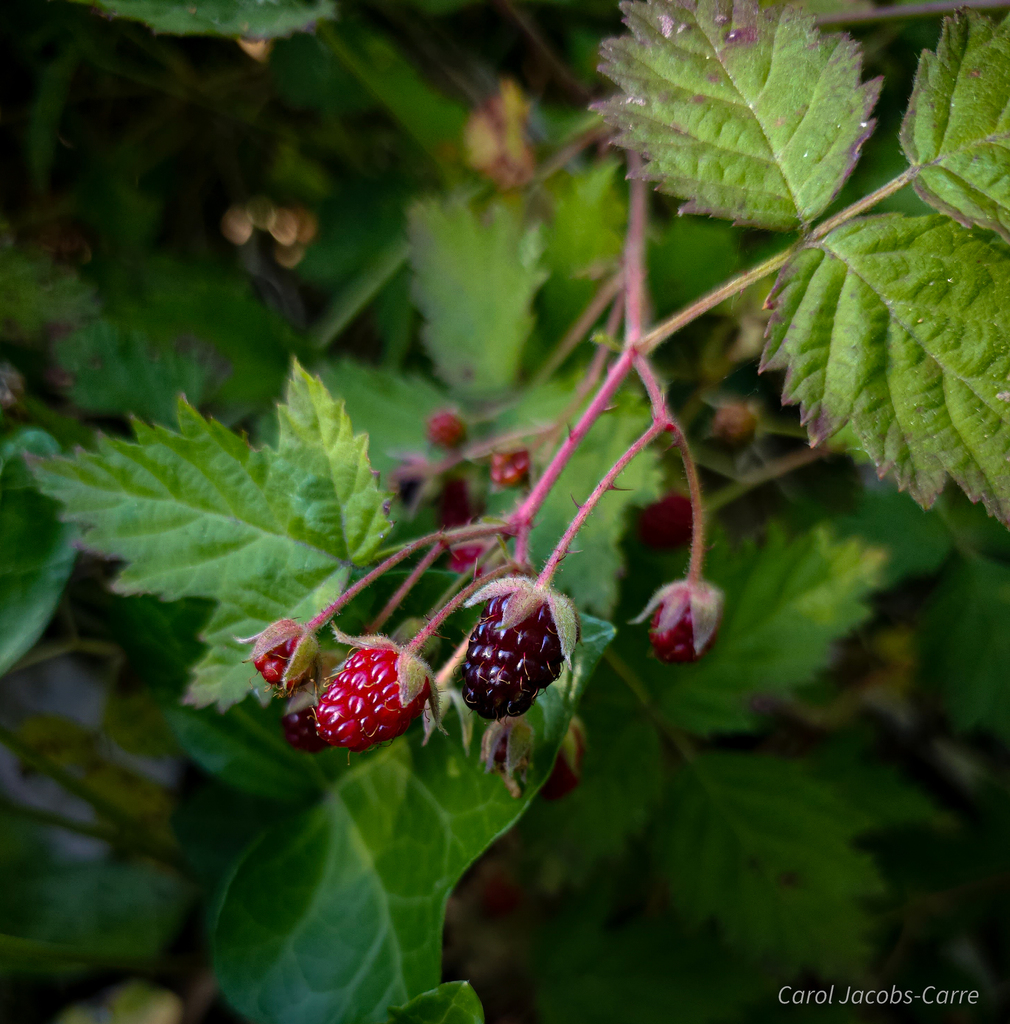
Rubus ursinus, commonly known as the California blackberry or ronce à grands pétales, is a deciduous perennial shrub native to western North America. It is characterized by its large, rose-like white flowers that bloom in spring, followed by edible, glossy black berries. This plant is well-suited for low hedges, ground cover on slopes, or as an ornamental in wild gardens, adding a rustic and natural aesthetic.
Native range
North America (especially the West Coast, from British Columbia to California)
Care tips
This plant thrives in full sun to partial shade and adapts to a variety of well-drained soils, though it prefers slightly acidic conditions. Water regularly during the growing season, especially in dry climates, reducing frequency in winter. To manage its growth and encourage fruit production, prune old or damaged canes after harvesting. A common mistake is not providing enough space, as it can spread vigorously.
How to save a dying California blackberry
- Warning signs
- Yellowish or reddish, wilting leaves, small or prematurely dried berries.
- First aid
- Check watering (moist but not waterlogged soil), prune dry branches, protect from intense sun, improve ventilation.
- What kills it
- Prolonged drought or constant waterlogging causing root rot. Lack of nutrients.
- Can it be saved?
- Yes, if roots aren't completely rotted and you act quickly. Requires patience and care.