Elmleaf blackberry (Rubus ulmifolius)
Care, watering, light and tips for Elmleaf blackberry on Floravia.
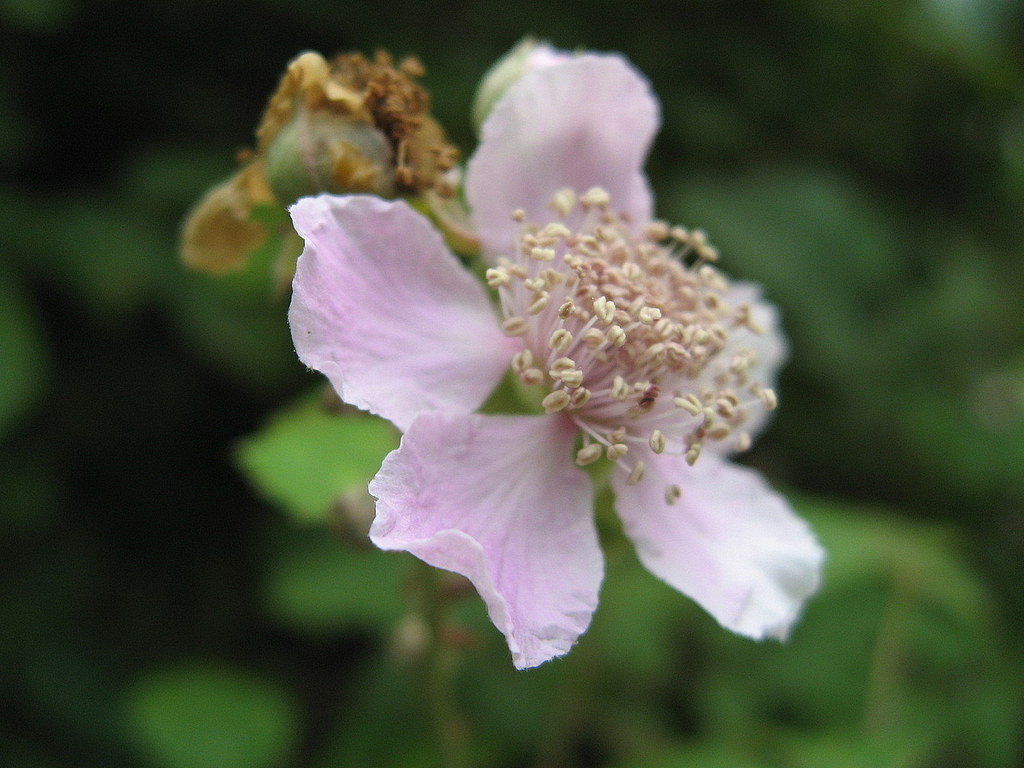
Quick facts
- Family: Rosaceae
- Difficulty: Easy to care for
- Watering: every 7 days
- Light: Full sun
- Temperature: 0–30 °C
About Elmleaf blackberry
Rubus ulmifolius, commonly known as elmleaf blackberry, is a vigorous and sprawling thorny deciduous shrub native to Europe and North Africa. It is characterized by its long, arching stems and compound leaves, reminiscent of elm foliage, and produces white or pink flowers followed by delicious edible black berries. It is ideal for creating defensive hedges, covering embankments, or as a wild plant in naturalized gardens, providing food for wildlife and fruit for human consumption.
Native range
Europe, North Africa, and Southwest Asia.
Care tips
This plant is highly adaptable and tolerates a wide range of conditions, preferring full sun or partial shade for good fruiting and development. It is not particular about soil, thriving even in poor and dry soils, although it appreciates well-drained substrate. Watering is generally unnecessary once established, except during extreme drought periods. A common mistake is failing to prune old canes after fruiting, which can lead to unruly growth and reduced berry production in subsequent years.
How to save a dying Elmleaf blackberry
- Warning signs
- Wilting, yellowing, or dark-spotted leaves; weak shoots. Small or absent fruits.
- First aid
- Prune dry or diseased branches. Check soil drainage and moisture. Protect from direct sun if very weak.
- What kills it
- Overwatering causing root rot or severe summer drought. Uncontrolled pests like aphids or spider mites.
- Can it be saved?
- Yes, if roots aren't completely rotted and green shoots remain. Act quickly to prevent total deterioration.