Andean raspberry (Rubus bogotensis)
Care, watering, light and tips for Andean raspberry on Floravia.
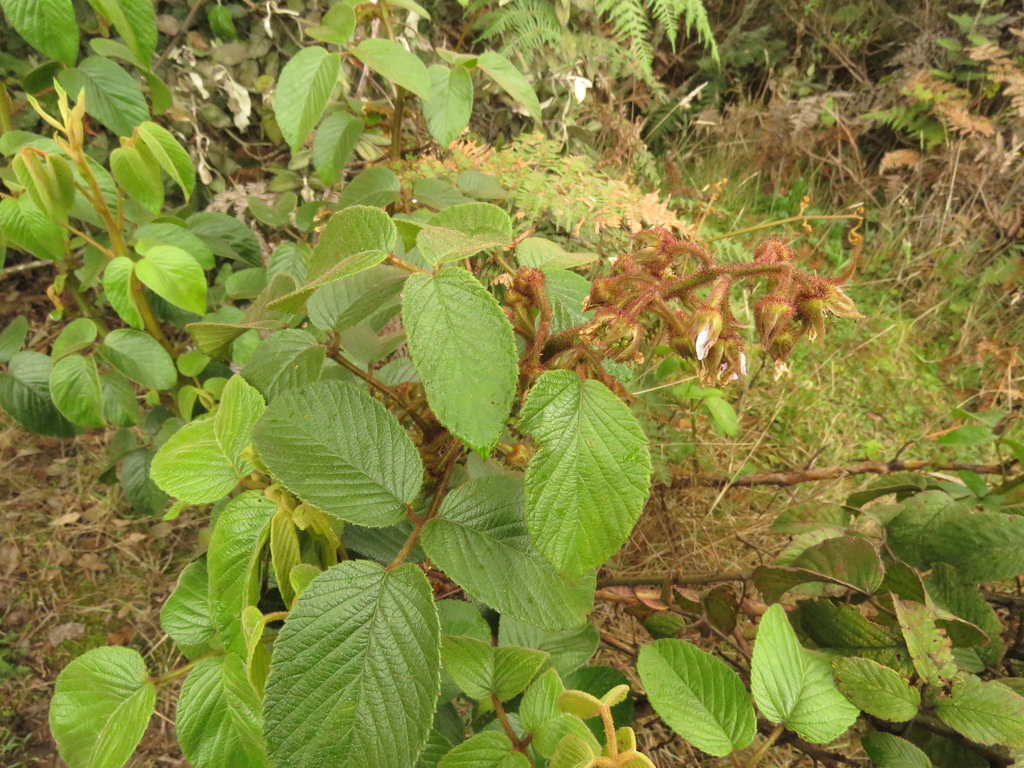
Quick facts
- Family: Rosaceae
- Difficulty: Moderate care
- Watering: every 3 days
- Light: Full sun
- Temperature: 0–30 °C
About Andean raspberry
Rubus bogotensis, commonly known as mountain blackberry, is a climbing or trailing shrub native to the Andes, valued for its edible fruits and ornamental appeal. Its thorny stems and compound leaves give it a rustic and wild appearance. It is ideal for covering walls, slopes, or as part of an edible hedge in natural or agroecological gardens.
Native range
Tropical Andes of South America (Colombia, Ecuador, Peru, Venezuela)
Care tips
It prefers full sun exposure for good fruiting, although it tolerates partial shade. It requires regular watering, especially during dry periods, keeping the substrate moist but not waterlogged. It thrives best in well-drained, organically rich, and slightly acidic soils. A common mistake is not pruning old canes after fruiting, which reduces production in subsequent seasons.
How to save a dying Andean raspberry
- Warning signs
- Yellowing or spotted leaves, premature fruit drop, stems drying from the tip. Indicate severe stress or disease.
- First aid
- Check soil drainage and moisture. Prune dry or diseased stems. Apply fungicide if you see mold or suspicious spots.
- What kills it
- Constant waterlogging, which rots its roots. Also lack of pruning that favors diseases.
- Can it be saved?
- Yes, if you act quickly. Good drainage and sanitation are key. Blackberry is hardy but needs attention.