Blackberry (Rubus fecundus)
Care, watering, light and tips for Blackberry on Floravia.
Quick facts
- Family: Rosaceae
- Difficulty: Easy to care for
- Watering: every 5 days
- Light: Full sun
- Temperature: 0–30 °C
About Blackberry
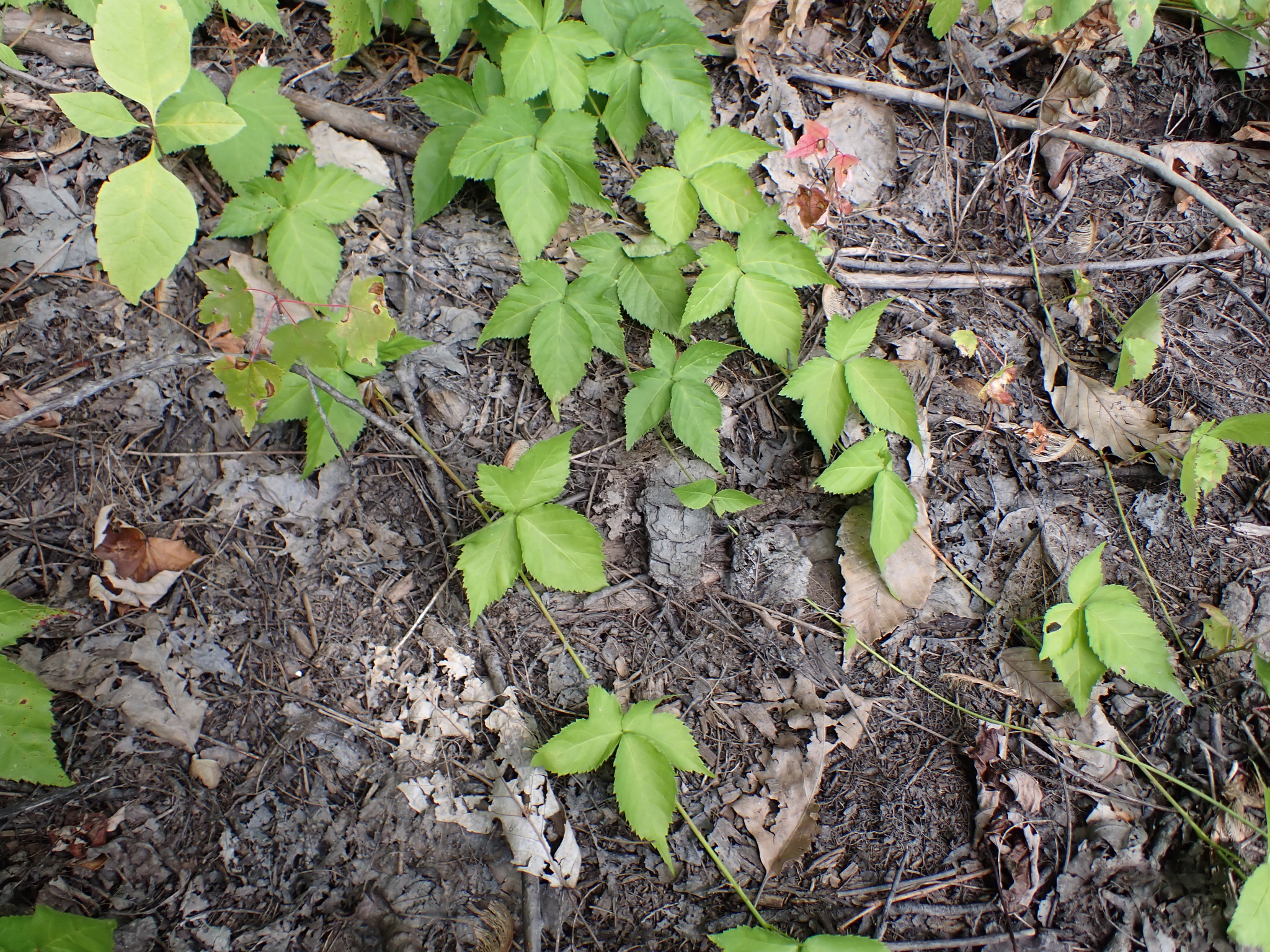
Rubus fecundus, commonly known as Dc Dewberry, is a trailing blackberry native to North America, valued for its sweet and juicy fruits. It forms a dense groundcover with thorny stems and green leaves, which can turn reddish in autumn. It is ideal for wild gardens, erosion control, or as an ornamental plant in borders and slopes.
Native range
Southeastern United States
Care tips
It prefers full sun exposure for optimal fruit production, although it tolerates partial shade. It requires regular watering, especially during fruiting, keeping the soil consistently moist but not waterlogged. It adapts to a wide range of soils, but prefers well-drained and rich in organic matter. A common mistake is not pruning old canes after harvest, which can reduce the following year's production.
How to save a dying Blackberry
- Warning signs
- Yellowish leaves or dark spots, stunted growth, small or absent berries.
- First aid
- Check drainage and sun exposure. Prune dry or diseased branches, ensure adequate water (but no waterlogging).
- What kills it
- Excessive root moisture (rot) or lack of direct sunlight. Also poor soil.
- Can it be saved?
- Yes! They are resilient plants. With adjustments in watering, pruning, and light, it can recover.