Blackberry (Rubus glandisepalus)
Care, watering, light and tips for Blackberry on Floravia.
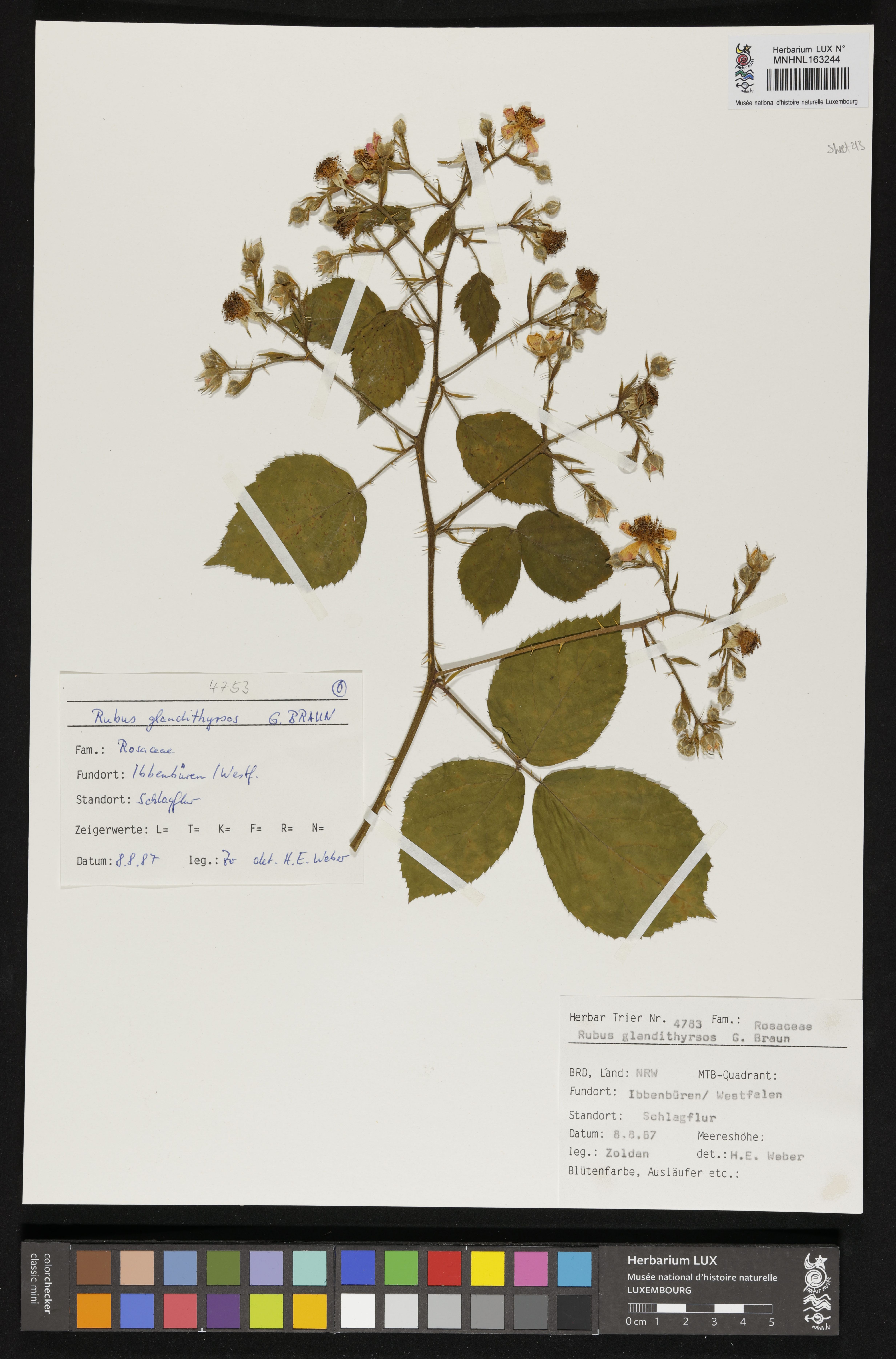
Quick facts
- Family: Rosaceae
- Difficulty: Easy to care for
- Watering: every 3 days
- Light: Full sun
- Temperature: 0–30 °C
About Blackberry
Rubus glandisepalus, commonly known as Drüsenkelchige Brombeere, is a European bramble species distinguished by its glandular sepals and edible fruits. This shrubby plant, with thorny stems and compound leaves, is ideal for creating informal hedges or naturalizing woodland edges and country gardens, offering a rustic appeal and delicious berries. Its white or pinkish bloom in spring adds a delicate touch before the summer fruiting season.
Native range
Central and Western Europe
Care tips
This bramble prefers full sun to partial shade, which promotes better fruiting. It requires well-drained, fertile, and slightly acidic soil, although it is quite tolerant of different soil types. Watering should be regular during dry periods, especially in its first year of establishment, to ensure good development. Avoid excessive nitrogen fertilization, as it can promote foliage growth at the expense of fruit production.
How to save a dying Blackberry
- Warning signs
- Yellowish or pale leaves, soft stems, small or no fruits, slow or no growth.
- First aid
- Check drainage and sun exposure (needs at least 6h of sun). Ensure regular watering without waterlogging. Lightly fertilize with compost.
- What kills it
- Lack of direct sun, poor or compacted soil, constant waterlogging that rots roots, or drought.
- Can it be saved?
- Yes, if roots are not completely rotted or dry. Act quickly by correcting growing conditions.