Rubus eriocarpus
Care, watering, light and tips for Rubus eriocarpus on Floravia.
Quick facts
- Family: Rosaceae
- Difficulty: Easy to care for
- Watering: every 4 days
- Light: Full sun
- Temperature: 0–30 °C
About Rubus eriocarpus
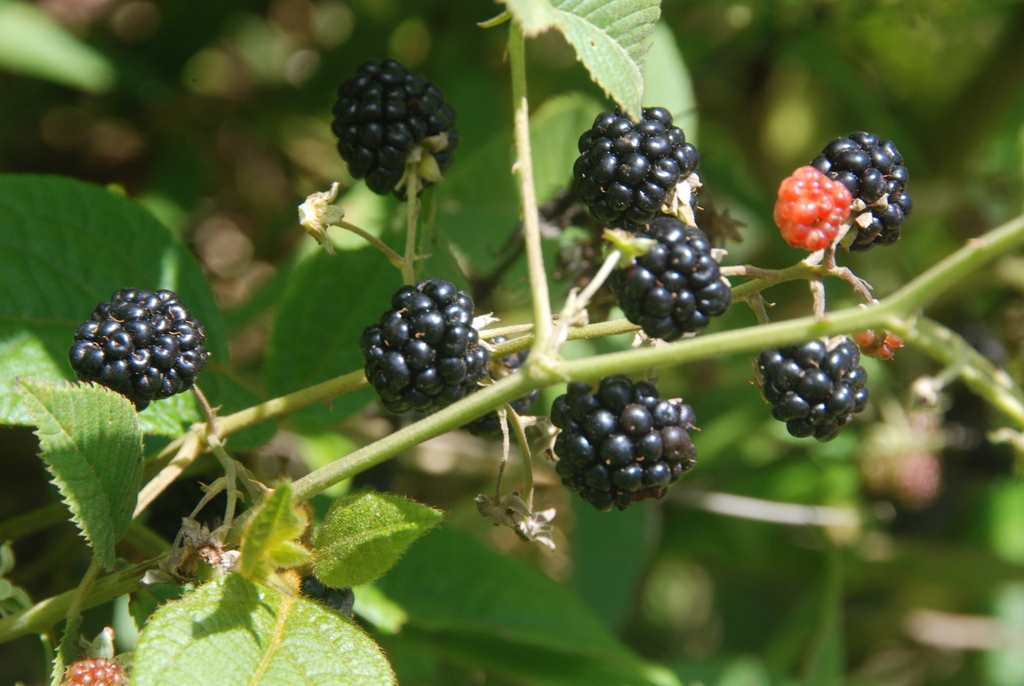
Rubus eriocarpus, commonly known as wild blackberry, is a deciduous or evergreen shrub from the Rosaceae family, valued for its edible fruits and hardiness. It features thorny stems and compound leaves, forming dense foliage that covers with small white or pink flowers in spring, followed by dark, sweet berries in summer. It is ideal for creating informal hedges, covering slopes, or as a productive plant in orchards and country gardens.
Native range
Andean region of South America
Care tips
It prefers full sun exposure for optimal fruiting, although it tolerates partial shade. It requires regular watering, especially during flowering and fruit development, keeping the substrate moist but not waterlogged. It adapts to a wide range of soils but prefers well-drained, organically rich, and slightly acidic ones. A common mistake is not pruning old canes after fruiting, which reduces the following year's production and encourages diseases.
How to save a dying Rubus eriocarpus
- Warning signs
- Yellowish or spotted leaves, dry stems, or no new shoots. General plant decline.
- First aid
- Check soil drainage and moisture. Prune dry or diseased stems. Apply balanced fertilizer if soil is poor.
- What kills it
- Overwatering causing root rot, or extreme lack of water during dry spells. Also very compacted soils.
- Can it be saved?
- Yes, if roots are not completely rotted and live tissue remains. Act quickly.