Rubus cymosus
Care, watering, light and tips for Rubus cymosus on Floravia.
Quick facts
- Family: Rosaceae
- Difficulty: Easy to care for
- Watering: every 3 days
- Light: Full sun
- Temperature: 0–30 °C
About Rubus cymosus
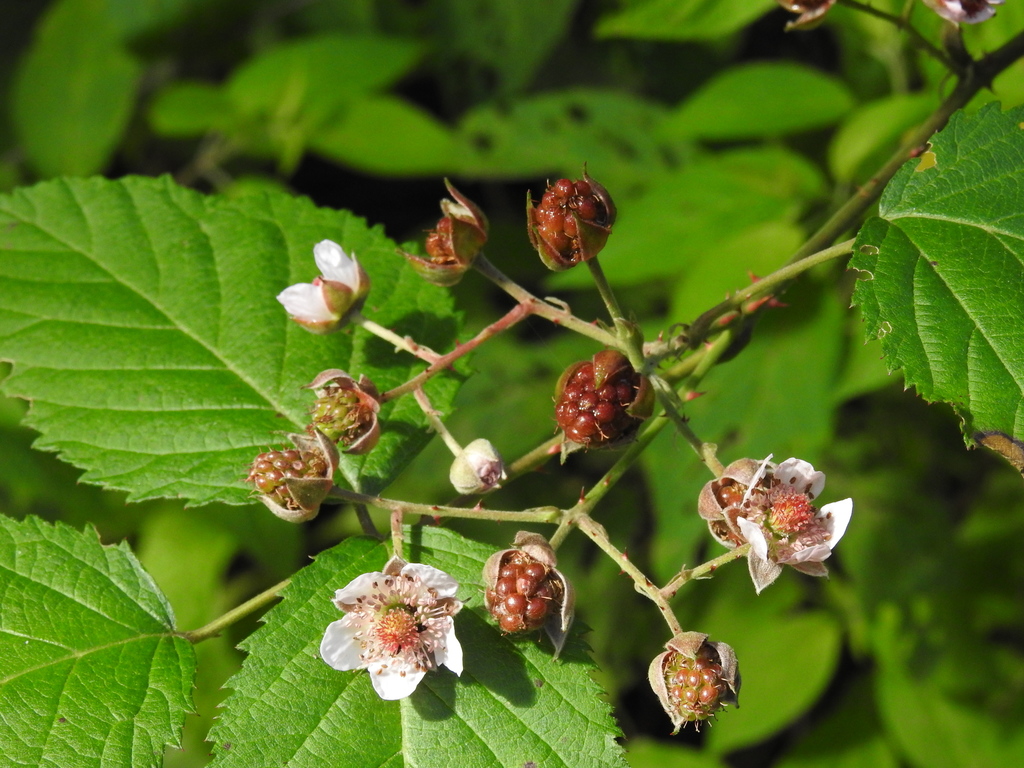
Rubus cymosus, commonly known as bramble, is a deciduous or semi-evergreen shrub belonging to the Rosaceae family, characterized by its thorny stems and edible fruits. This species produces small white or pink flowers in clusters, followed by the typical blackberries that ripen from red to black. It is ideal for creating defensive hedges in rustic gardens or as a groundcover plant on slopes, adding a wild and attractive touch.
Native range
I do not have precise information on the specific native origin of Rubus cymosus as a distinct species. The Rubus genus is very broad and globally distributed.
Care tips
It prefers full sun to partial shade exposure and adapts to a wide range of soils, although it thrives best in organic-rich, well-drained substrates. Watering should be regular, especially during flowering and fruiting, to ensure the development of the berries, but avoiding waterlogging. Pruning is essential to control its vigorous growth and encourage fruiting on new wood, removing old and damaged stems annually. A common mistake is not pruning, which leads to unmanageable growth and lower fruit production.
How to save a dying Rubus cymosus
- Warning signs
- Yellow or reddish, dry, brittle leaves; small or absent fruits; slow or no growth.
- First aid
- Prune dead or diseased branches. Check watering: blackberries need constant moisture, but not waterlogging.
- What kills it
- Prolonged drought in summer or constant waterlogging. Lack of nutrients in poor soils.
- Can it be saved?
- Yes! With proper care and patience, blackberries are resilient and can recover.