Japanese quince (Chaenomeles japonica)
Care, watering, light and tips for Japanese quince on Floravia.
Quick facts
- Family: Rosaceae
- Difficulty: Easy to care for
- Watering: every 7 days
- Light: Full sun
- Temperature: 0–30 °C
- Toxicity: Toxic to pets
About Japanese quince
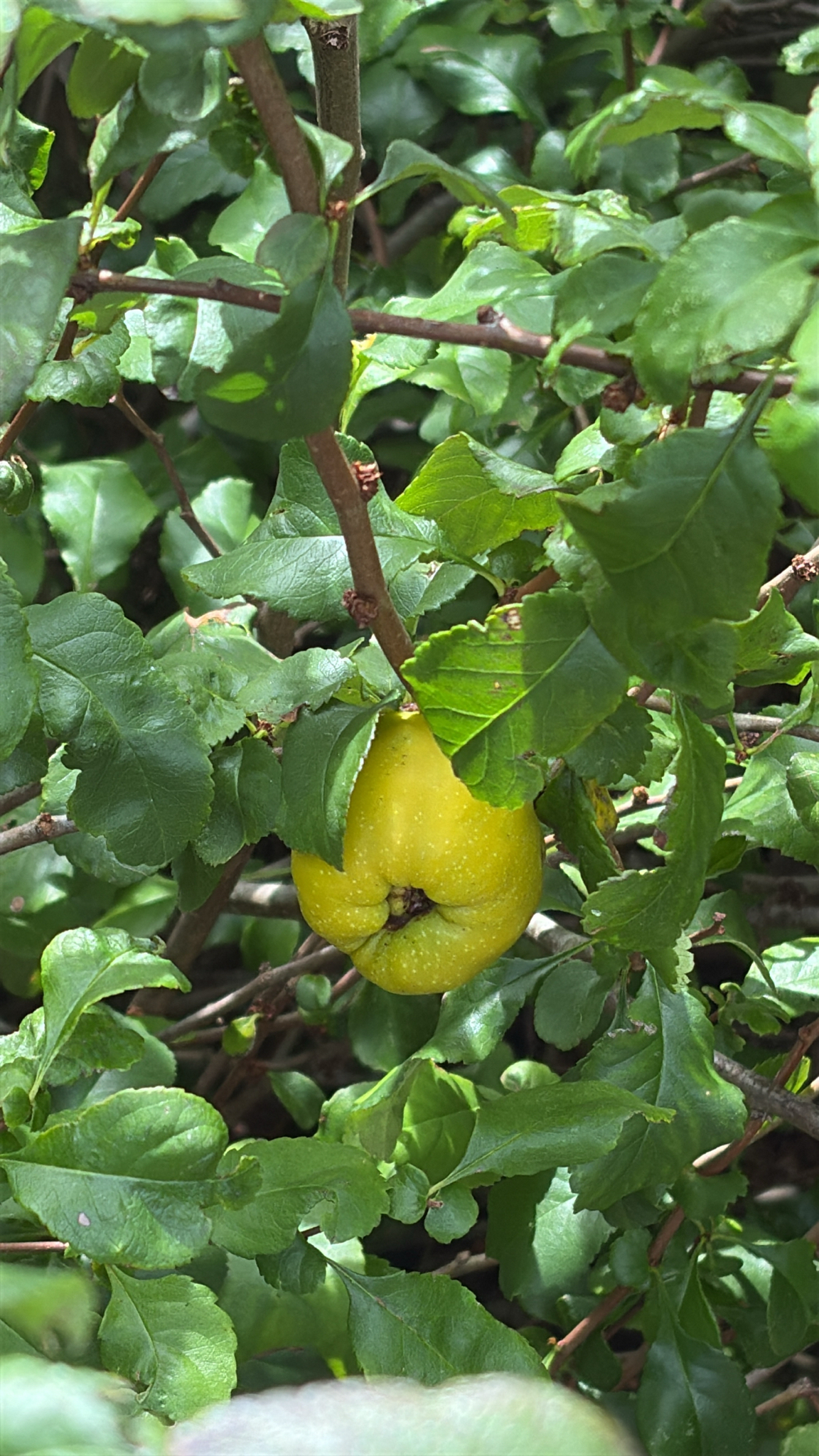
The Japanese quince (Chaenomeles japonica), also known as flowering quince or 'småildkvede' in Nordic, is a deciduous shrub from the Rosaceae family, prized for its vibrant flowers that appear in late winter or early spring, before the leaves. Its blossoms can be red, orange, or pink, and are followed by small, aromatic, yellow fruits. It is an ideal plant for low hedges, borders, or as a standalone specimen in gardens where an early burst of color is desired.
Native range
East Asia (China and Japan)
Care tips
Japanese quince thrives in full sun to partial shade for optimal flowering. It is tolerant of a wide range of soils, provided they are well-drained, though it prefers slightly acidic to neutral conditions. Watering should be moderate, allowing the substrate to dry out slightly between waterings, and it's important to avoid waterlogging. A common mistake is over-pruning in spring, which can reduce the following year's bloom; pruning should be done after flowering to shape the plant and remove old or damaged branches.
How to save a dying Japanese quince
- Warning signs
- Yellowing or browning leaves that drop prematurely, lack of flowering or weak shoots, dry branches or cracked bark.
- First aid
- Check soil drainage and moisture. Prune dead or diseased branches. Ensure good air circulation.
- What kills it
- Overwatering causing root rot, or very alkaline soil. Also, lack of proper pruning.
- Can it be saved?
- Yes, if roots are not completely damaged and growing conditions are corrected in time.