Siberian crabapple (Malus baccata)
Care, watering, light and tips for Siberian crabapple on Floravia.
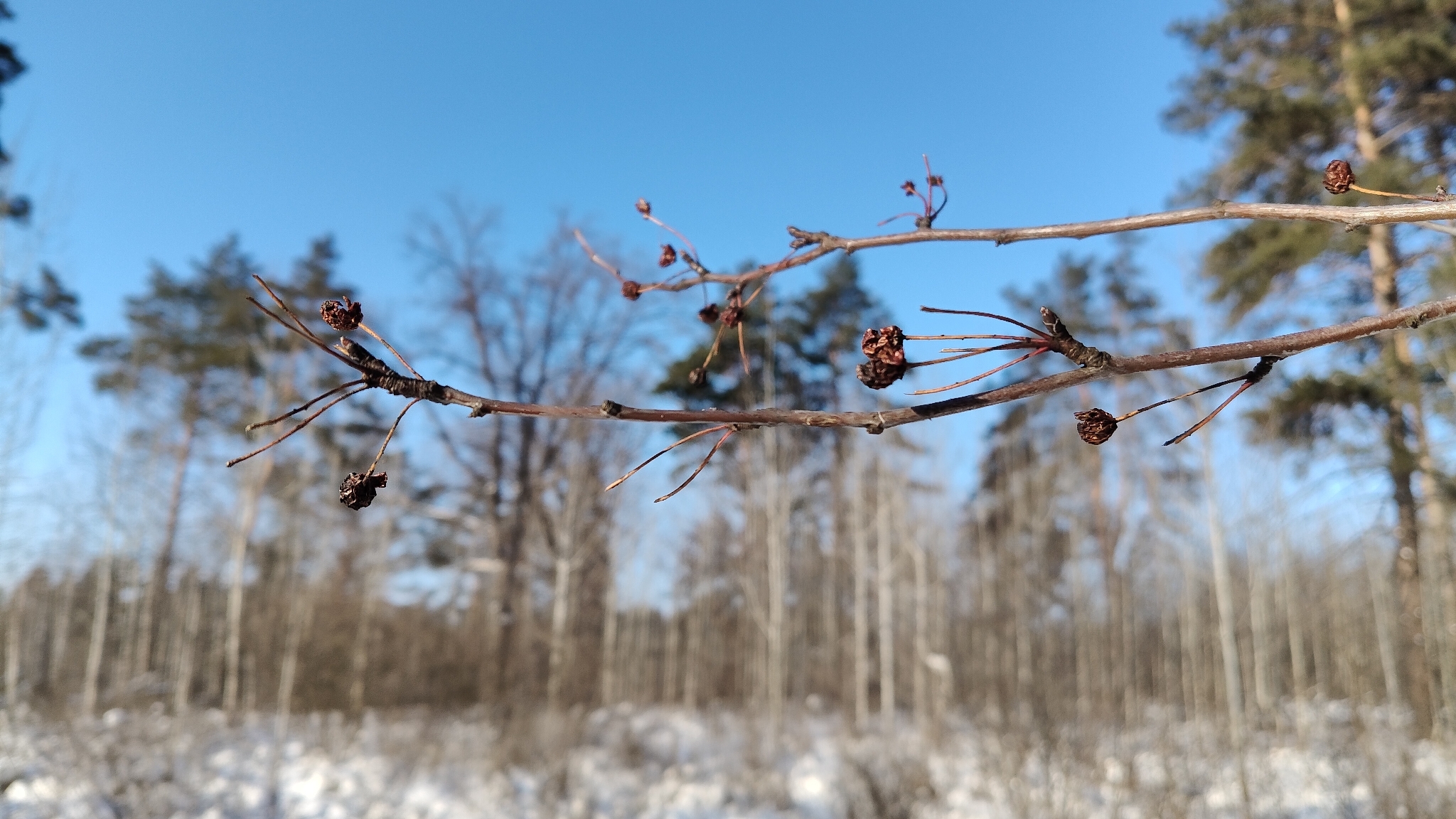
Quick facts
- Family: Rosaceae
- Difficulty: Easy to care for
- Watering: every 7 days
- Light: Full sun
- Temperature: 0–30 °C
- Toxicity: Toxic to pets
About Siberian crabapple
Malus baccata, commonly known as Siberian crabapple, is a small to medium-sized deciduous tree valued for its abundant white blossoms in spring and its small red or yellow fruits that persist into winter. Its ornamental appearance makes it ideal as a specimen tree in gardens, hedges, or even bonsai. It is a very hardy species and attractive to wildlife.
Native range
East Asia and Siberia
Care tips
It prefers full sun for best flowering and fruiting, though it tolerates some partial shade. Watering should be regular during the first few years and in dry periods, but once established, it is quite drought-tolerant. It requires well-drained soil rich in organic matter. Avoid waterlogging, as it is prone to fungal diseases in excessively wet soils.
How to save a dying Siberian crabapple
- Warning signs
- Yellowing or browning leaves, wilting, premature fruit drop, dry branches.
- First aid
- Check watering, ensure well-drained, moist soil, not waterlogged. Protect from extreme heat or drought. Prune dry branches.
- What kills it
- Overwatering causing root rot or complete lack of water during dry spells. Insufficient direct sunlight.
- Can it be saved?
- Yes, if roots aren't completely rotted and green shoots remain. Act quickly.