European crab apple (Malus sylvestris)
Care, watering, light and tips for European crab apple on Floravia.
Quick facts
- Family: Rosaceae
- Difficulty: Moderate care
- Watering: every 3 days
- Light: Full sun
- Temperature: 0–30 °C
- Toxicity: Toxic to pets
About European crab apple
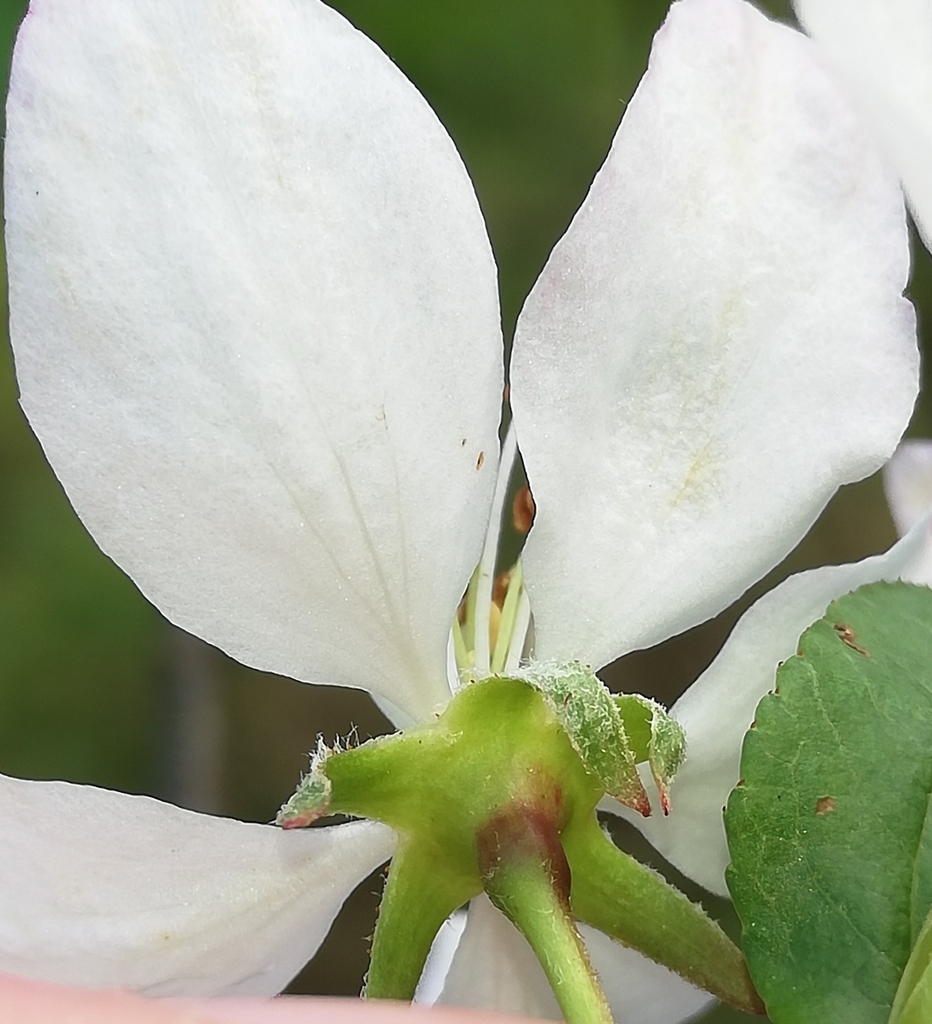
Malus sylvestris, commonly known as European crab apple or villeple, is a medium-sized deciduous tree native to Europe, valued for its white or pink blossoms in spring and its small fruits that ripen in autumn. Its irregular, branching habit makes it ideal for naturalistic gardens, hedgerows, or as an ornamental tree in spacious areas. It provides significant ecological value, attracting pollinators and birds.
Native range
Europe and Western Asia
Care tips
It prefers full sun exposure for optimal flowering and fruiting, though it tolerates partial shade. Regular watering is needed during its first few years and in dry periods, especially in summer. The ideal substrate is fertile, well-drained, and slightly acidic to neutral. Avoid planting it in excessively compacted or waterlogged soils, as it is susceptible to root diseases.
How to save a dying European crab apple
- Warning signs
- Early yellowing or browning leaves, small or dropped fruits, dry branches or cankers.
- First aid
- Check watering, prune dead or diseased branches, look for pests (aphids, caterpillars) or diseases (rust, scab).
- What kills it
- Constant waterlogging, lack of sanitary pruning, untreated pests/diseases.
- Can it be saved?
- Yes, if acted upon quickly. Requires environmental attention and pest/disease monitoring.