Zumi crabapple (Malus zumi)
Care, watering, light and tips for Zumi crabapple on Floravia.
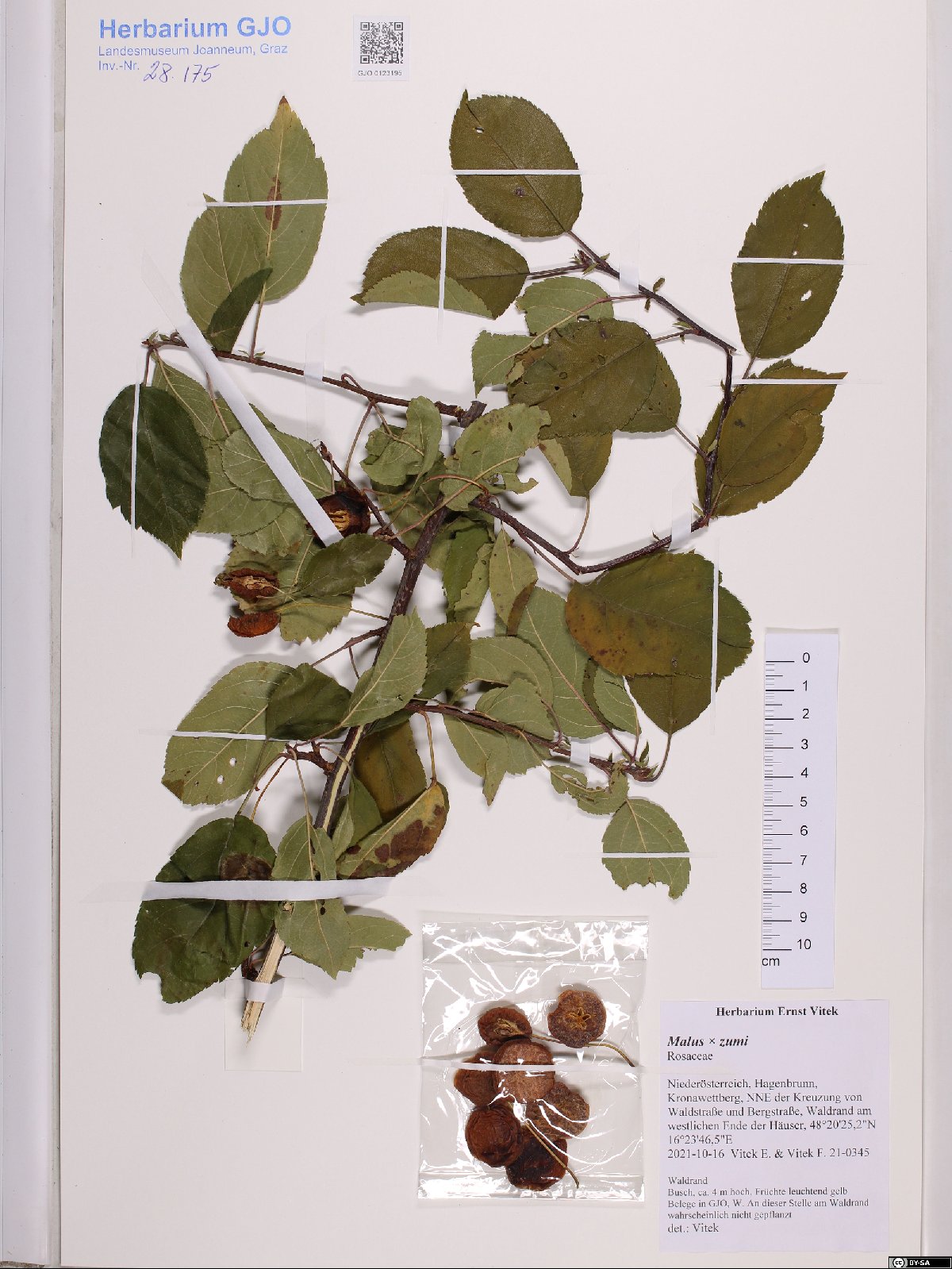
Quick facts
- Family: Rosaceae
- Difficulty: Moderate care
- Watering: every 3 days
- Light: Full sun
- Temperature: 0–30 °C
- Toxicity: Toxic to pets
About Zumi crabapple
Malus zumi, known as "ō-zumi", is a charming small ornamental crabapple tree native to Japan, prized for its profuse spring bloom of white flowers and its tiny red fruits that persist well into winter. Its compact and elegant habit makes it ideal for small gardens, as a specimen plant, in hedges, or even in large pots on patios and terraces, providing lasting seasonal interest. Its berries, though small, are a visual and food feast for local wildlife.
Native range
Japan
Care tips
It prefers a full sun exposure to ensure optimal flowering and fruiting, although it tolerates some partial shade. It requires well-drained, fertile, and slightly acidic soil; make sure to water regularly during dry periods, especially in its early years. Avoid waterlogging, as it is susceptible to fungal root diseases. A common mistake is not pruning the suckers that emerge from the base, which can weaken the main tree.
How to save a dying Zumi crabapple
- Warning signs
- Early yellowing/browning leaves, excessive leaf drop, dry branches or cankers, sparse flowering.
- First aid
- Check drainage and watering. Prune dead branches. Apply fungicide if cankers. Ensure good air circulation.
- What kills it
- Overwatering (root asphyxia), lack of pruning, uncontrolled pests (aphids, spider mites), fungal diseases.
- Can it be saved?
- Yes, if you act quickly. Good diagnosis and habit changes can revive it. Observe and be consistent.