Siberian crabapple (Malus robusta)
Care, watering, light and tips for Siberian crabapple on Floravia.
Quick facts
- Family: Rosaceae
- Difficulty: Easy to care for
- Watering: every 7 days
- Light: Full sun
- Temperature: 0–30 °C
- Toxicity: Toxic to pets
About Siberian crabapple
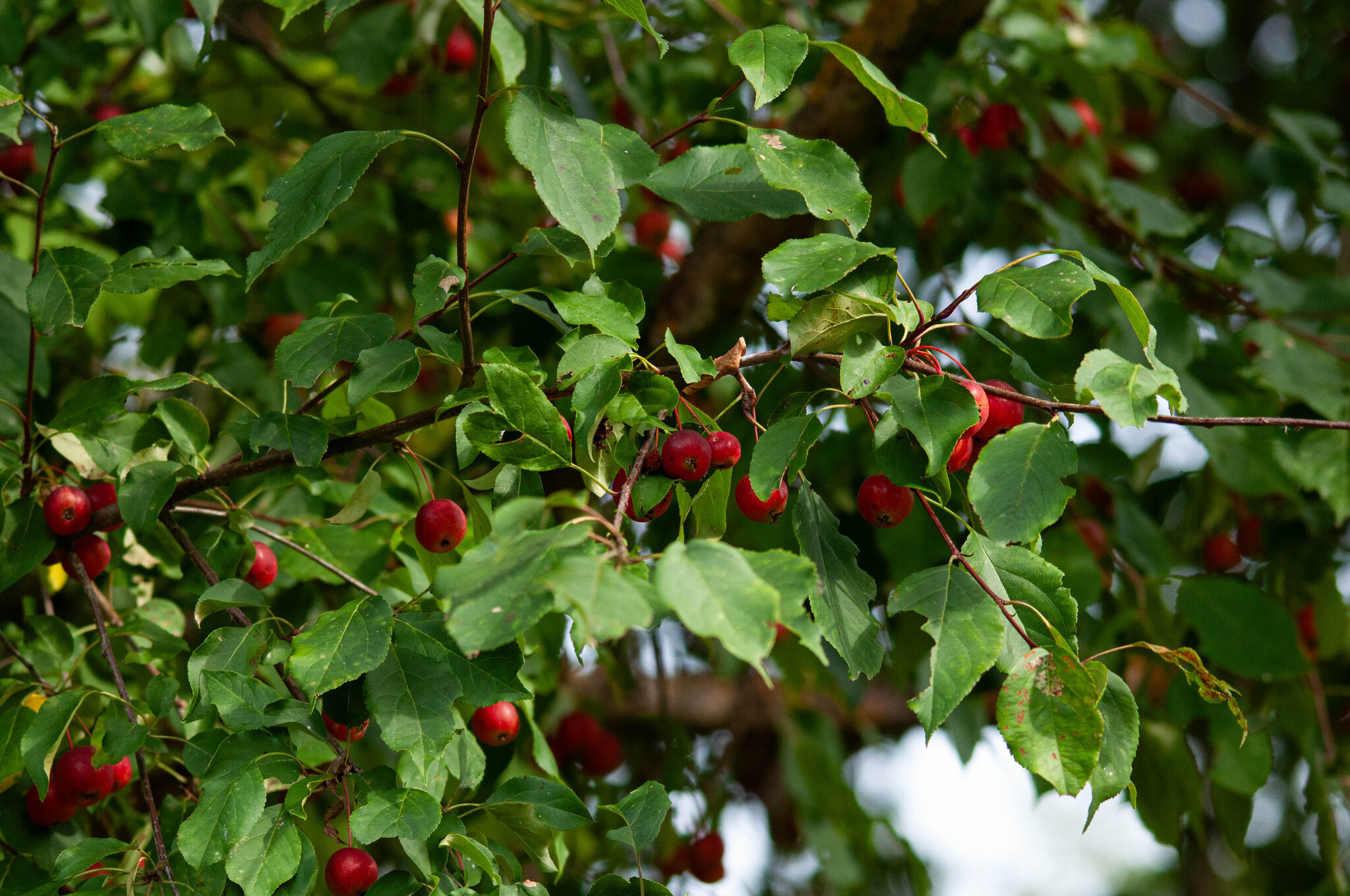
Malus robusta, commonly known as Siberian crab apple, is a hardy, medium-sized ornamental tree valued for its abundant spring bloom of white or pink flowers and its small red or yellow fruits that persist on the tree through winter. It is ideal for medium to large gardens, as a living hedge, or as a specimen tree, providing seasonal interest and food for wildlife. Its elegant habit and decorative fruits make it stand out in cold landscapes.
Native range
Siberia and Russian Far East, Korea, China, and Japan
Care tips
It prefers full sun exposure for best flowering and fruiting, although it tolerates some partial shade. It needs well-drained, fertile, and slightly acidic soil, and is quite tolerant of a variety of soil conditions once established. Water regularly during dry periods, especially in its early years, and avoid waterlogging, as it is susceptible to root rot. A common mistake is improper pruning, which can lead to reduced fruit production and disorganized growth.
How to save a dying Siberian crabapple
- Warning signs
- Yellowish or brown, wilted leaves; premature fruit drop; cracked bark or cankers.
- First aid
- Check watering (moist but not waterlogged soil), prune dead branches, and look for pests (aphids, spider mites). Ensure good ventilation.
- What kills it
- Overwatering (root rot), nutrient deficiency, or untreated fungal diseases (rust, powdery mildew).
- Can it be saved?
- Yes, if you act quickly. Identify the cause and correct the problem. Sanitary pruning and fungicides help.