Mediterranean medlar (Crataegus azarolus)
Care, watering, light and tips for Mediterranean medlar on Floravia.
Quick facts
- Family: Rosaceae
- Difficulty: Moderate care
- Watering: every 7 days
- Light: Full sun
- Temperature: 0–30 °C
About Mediterranean medlar
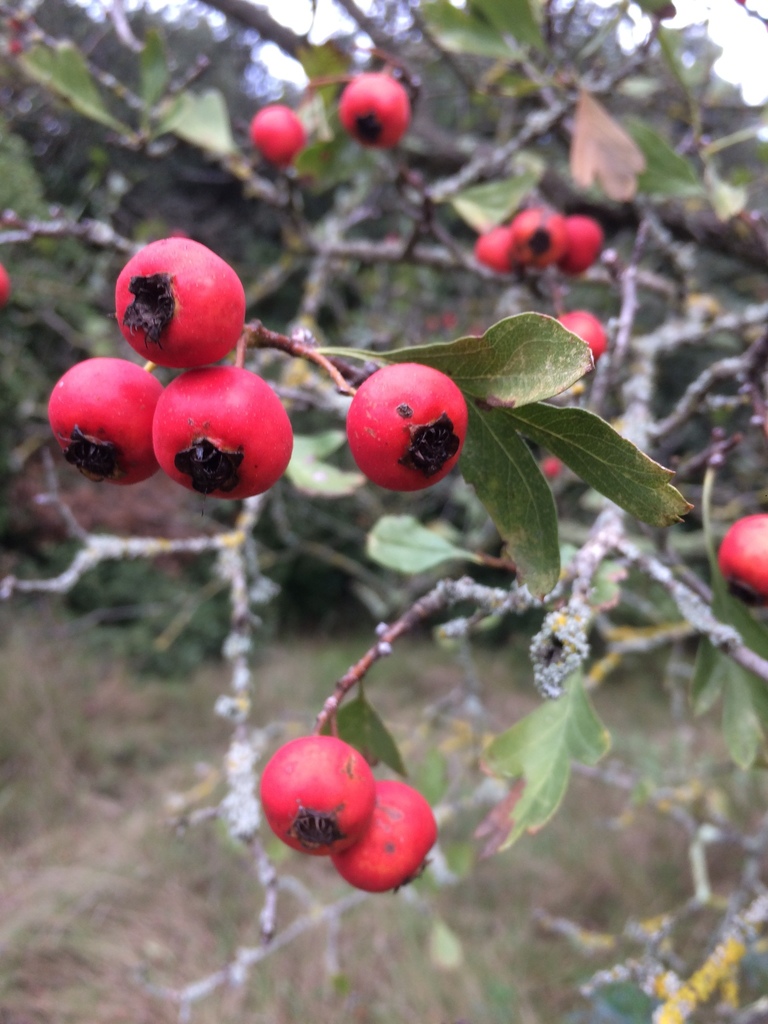
Crataegus azarolus, commonly known as azarole or Mediterranean medlar, is a deciduous fruit tree of the Rosaceae family, valued for its edible fruits and ornamental appeal. It features a rounded canopy and can reach 5-10 meters in height, with lobed leaves and white flowers that develop into small, apple-like red or yellow fruits. It's ideal for home orchards, as a shade tree in small gardens, or as part of edible hedges.
Native range
Mediterranean region (Southern Europe, North Africa, and the Near East)
Care tips
The azarole thrives in full sun, requiring at least 6 hours daily for good fruit production, although it tolerates some partial shade. It prefers well-drained, fertile, and slightly acidic to alkaline soils, and is quite drought-tolerant once established, but benefits from regular watering during dry periods, especially during fruiting. A common mistake is planting it in waterlogged soils, which can lead to root rot. Perform formative and maintenance pruning to enhance fruit production and tree health.
How to save a dying Mediterranean medlar
- Warning signs
- Yellowish or brown leaves falling prematurely, small or absent fruits, withered young shoots.
- First aid
- Check watering (moist but not waterlogged soil), protect from direct sun if young, fertilize with compost if soil is poor.
- What kills it
- Overwatering causing root rot or underwatering during drought, compacted soils without proper drainage.
- Can it be saved?
- Yes, if roots aren't completely rotted and main trunk is still alive. Act quickly.