Common hawthorn (Crataegus senta)
Care, watering, light and tips for Common hawthorn on Floravia.
Quick facts
- Family: Rosaceae
- Difficulty: Easy to care for
- Watering: every 7 days
- Light: Full sun
- Temperature: 0–30 °C
- Toxicity: Toxic to pets
About Common hawthorn
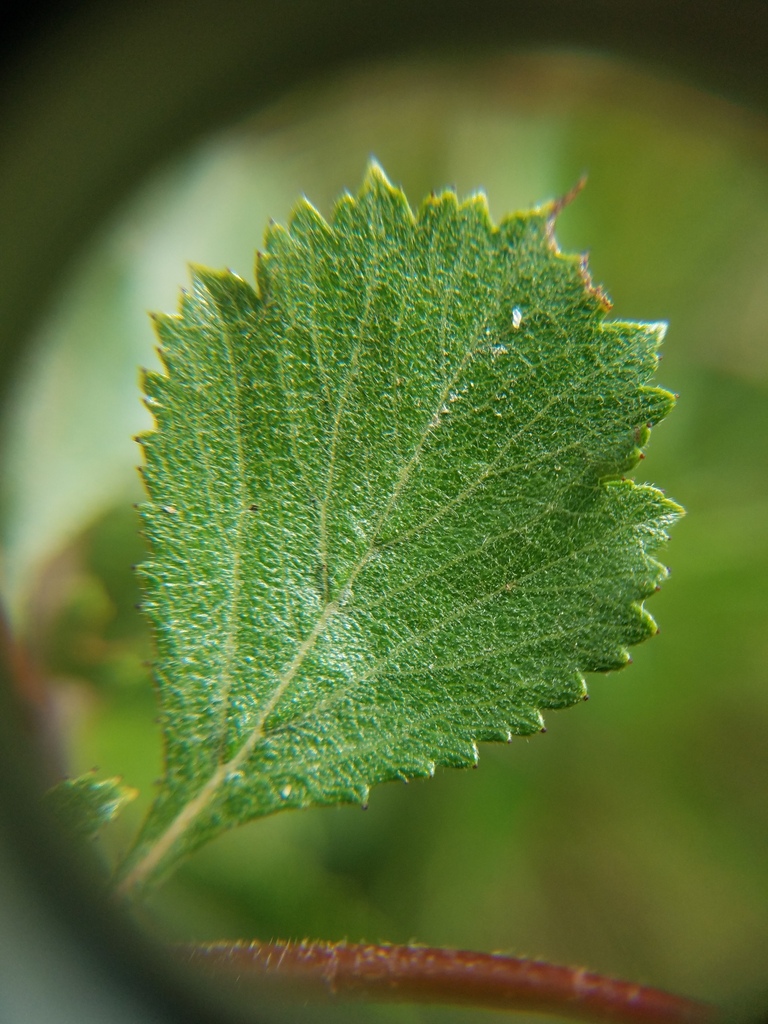
Crataegus senta, commonly known as hawthorn, is a deciduous tree or shrub from the Rosaceae family, prized for its hardiness and attractive red berries in autumn. It exhibits a rounded, dense form with thorny branches and dark green lobed leaves, and in spring it is covered with small white flowers. It is ideal for creating defensive hedges, as a specimen plant in cottage gardens, or for attracting wildlife, providing seasonal interest.
Native range
Europe, Asia, and North Africa
Care tips
It prefers full sun exposure for optimal flowering and fruiting, although it tolerates some partial shade. It is very adaptable regarding watering, tolerating drought well once established, but appreciates moderate watering during dry periods, especially when young. It thrives in a wide range of well-drained soils, from sandy to clay. A common mistake is to over-prune old wood, which can reduce flowering and fruit production, so pruning should primarily be for shaping or removing damaged branches.
How to save a dying Common hawthorn
- Warning signs
- Yellowish or brown, wilting leaves, premature leaf drop, lack of flowering or fruiting.
- First aid
- Check soil moisture, protect from direct sun if young, look for pests (aphids, spider mites).
- What kills it
- Constant waterlogging, poor or compacted soil, lack of direct sunlight.
- Can it be saved?
- Yes, if you act quickly. It requires patience and adjustments to its care and environment.