Dotted hawthorn (Crataegus punctata)
Care, watering, light and tips for Dotted hawthorn on Floravia.
Quick facts
- Family: Rosaceae
- Difficulty: Moderate care
- Watering: every 7 days
- Light: Full sun
- Temperature: 0–30 °C
- Toxicity: Toxic to pets
About Dotted hawthorn
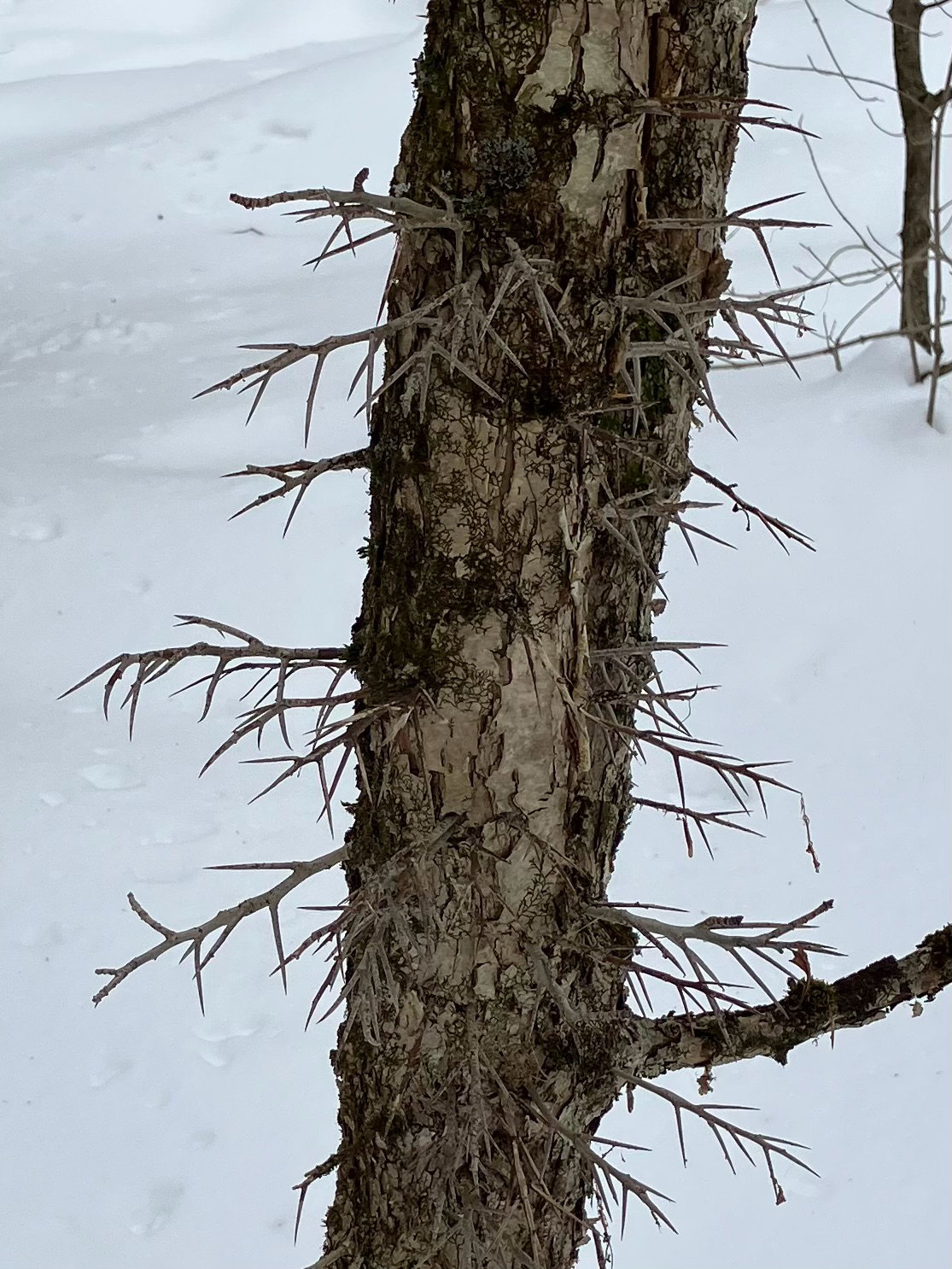
Crataegus punctata, commonly known as White Hawthorn, is a deciduous small tree or shrub native to North America, valued for its attractive white flowers in spring and red fruits in autumn. Its rounded crown and dense foliage make it ideal as a specimen plant in gardens or as part of protective hedges. Its characteristic thorns provide both ornamental and defensive value.
Native range
Eastern North America
Care tips
It prefers full sun exposure for optimal flowering and fruiting, though it tolerates partial shade. It is adaptable to a wide range of soils, as long as they are well-drained, even tolerating poor or clayey soils. Watering should be moderate once established, as it tolerates periods of drought. Avoid waterlogging, as it can lead to fungal diseases.
How to save a dying Dotted hawthorn
- Warning signs
- Yellowish or pale leaves, premature leaf drop, lack of flowering or fruiting, weak growth, or wilting.
- First aid
- Check soil drainage and moisture. Ensure good air circulation. Protect from strong winds and late frosts. Prune dry or diseased branches.
- What kills it
- Constant waterlogging (root rot), lack of sunlight, or severe out-of-season pruning that stresses it.
- Can it be saved?
- Yes, if roots are not completely rotted and the main trunk is healthy. Act quickly with watering and location adjustments.