Hawthorn (Crataegus suborbiculata)
Care, watering, light and tips for Hawthorn on Floravia.
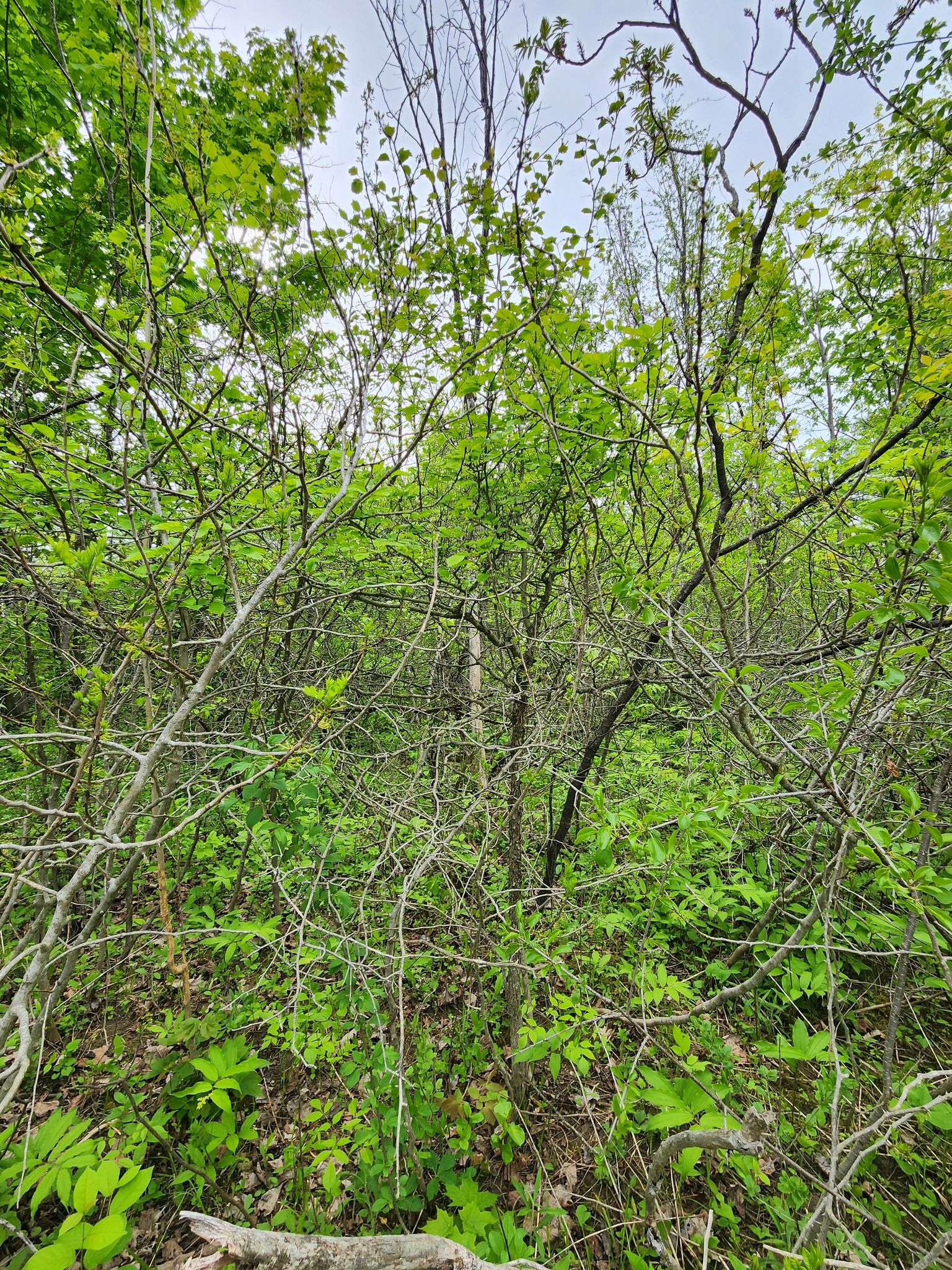
Quick facts
- Family: Rosaceae
- Difficulty: Easy to care for
- Watering: every 7 days
- Light: Full sun
- Temperature: 0–30 °C
About Hawthorn
Crataegus suborbiculata, commonly known as the suborbicular hawthorn, is a deciduous shrub or small tree in the Rosaceae family, prized for its attractive foliage, white spring blossoms, and bright red fruits that persist into winter. Its rounded form and hardiness make it ideal as a specimen plant, ornamental hedge, or for adding seasonal interest to temperate gardens. It is particularly striking in autumn when its fruits and leaves develop reddish hues.
Native range
Northeastern North America
Care tips
It prefers full sun for optimal flowering and fruiting, though it tolerates some partial shade. It adapts to a wide range of soils, as long as they are well-drained; watering should be regular during the first year after planting and during dry spells. Avoid waterlogging, as it can lead to fungal root diseases. A common mistake is excessive pruning, which can reduce fruit and flower production, so it's best to limit pruning to shaping or sanitary cuts.
How to save a dying Hawthorn
- Warning signs
- Yellow or brown leaves falling prematurely, lack of flowering or fruiting, dry or cracked branches. May indicate water stress or disease.
- First aid
- Check watering (avoid waterlogging, but maintain moisture), prune dead branches with clean tools, and apply fungicide if fungal disease signs appear (spots, cankers).
- What kills it
- Poor drainage or prolonged waterlogging that suffocates roots, or extreme and prolonged drought. Also diseases like fire blight.
- Can it be saved?
- Yes, if acted upon quickly. It's a resilient tree. The key is to identify and correct the cause rapidly, especially regarding watering and diseases.