Hawthorn (Crataegus compacta)
Care, watering, light and tips for Hawthorn on Floravia.
Quick facts
- Family: Rosaceae
- Difficulty: Easy to care for
- Watering: every 3 days
- Light: Full sun
- Temperature: 0–30 °C
- Toxicity: Toxic to pets
About Hawthorn
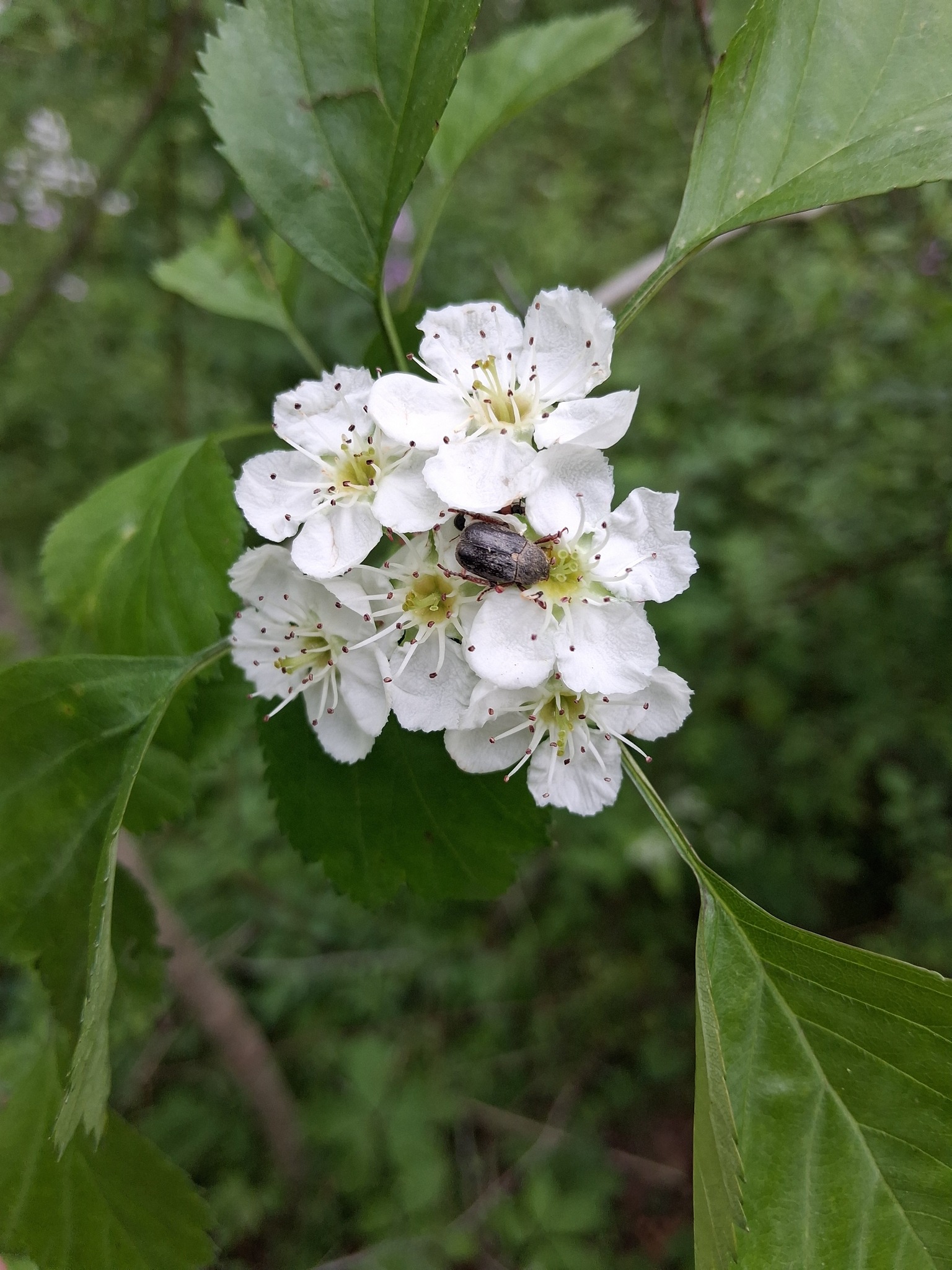
The compact hawthorn (Crataegus compacta) is a small to medium-sized deciduous shrub, recognized for its dense, rounded habit. It features glossy green leaves, white flowers in spring, and small red berries that persist into winter. It's excellent for low hedges, borders, or as a specimen plant in small to medium-sized gardens.
Native range
North America (primarily the northeastern United States and southeastern Canada)
Care tips
It thrives in full sun for optimal flowering and fruiting, though it tolerates partial shade. It requires well-drained, fertile, slightly acidic to neutral soil, adapting to various conditions once established. Watering should be regular during the first year for establishment, reducing to moderate thereafter, as it tolerates periods of drought. A common mistake is excessive or ill-timed pruning, which can reduce flowering and fruit production.
How to save a dying Hawthorn
- Warning signs
- Yellowing or browning, wilting, and premature leaf drop. Dry, brittle branches. Lack of flowering or fruiting.
- First aid
- Repot to a larger container or plant in the ground if root-bound. Ensure good drainage. Prune dead or diseased branches. Water regularly without overwatering.
- What kills it
- Over or under watering, heavy and poorly drained soils, or lack of root space. Also pests like aphids or fungal diseases.
- Can it be saved?
- Yes, if acted upon quickly. It's a hardy species, but needs attention to its basic soil, water, and space requirements.